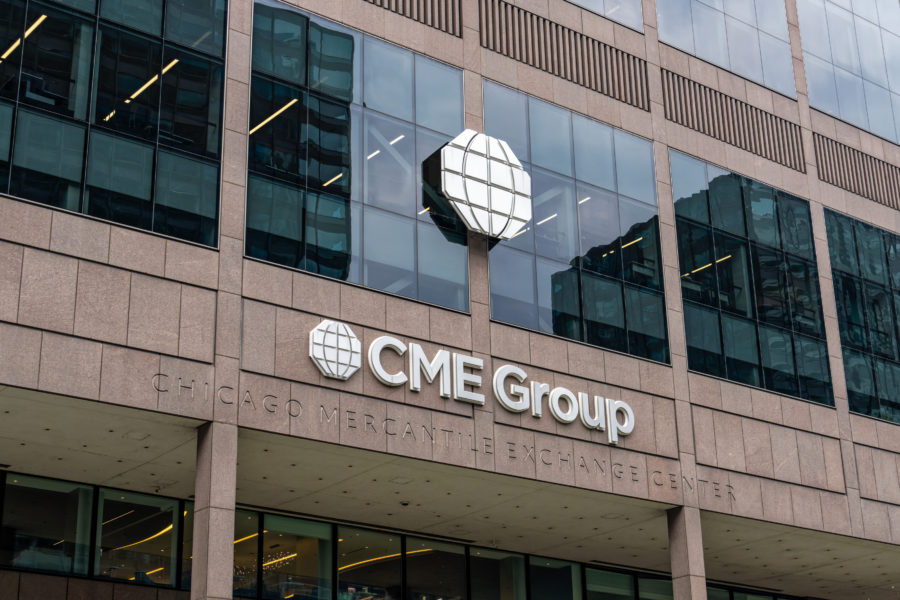
CME looks into launching first ever rare earth futures contract
The world's largest derivatives marketplace is working on a new contract combining the two most important rare earths, neodymium and praseodymium.
Researchers at the U.S. Department of Energy's Argonne National Laboratory and Lawrence Berkeley National Laboratory have discovered a way to turn a nickel-rich nanoparticle into a platinum-rich "nanoframe," a paper published in the journal Science Express shows. The team was...
You've reached your limit of free weekly articles
Keep reading MINING.COM with a TNM NEWS+MARKETS Membership.


TNM Memberships is your key to unlocking access to the best news, insights, and data in the mining industry.
Get Started with a free 45-day Trial ** Credit card required to begin free trial. Your card will be charged 45 days from signup. You will receive an email notification seven (7) days before the free trial period ends.
Already a Member?
Sign in
Subscribe for Unlimited Access
Enjoy unlimited News Stories and Specialty Digests, along with Mining and Metal Market insights as part of your NEWS+MARKETS Membership. Or go even deeper with our Global Mining Data platform, TNM Marco Polo, included with your NEWS+DATA Membership.
Explore Full Membership Benefits






The new Mining Power Rankings are live. Vote for the sector’s leaders in each of the Large-, Small-, and Micro-Cap leagues.