Lithium price may ease again as China mine restarts
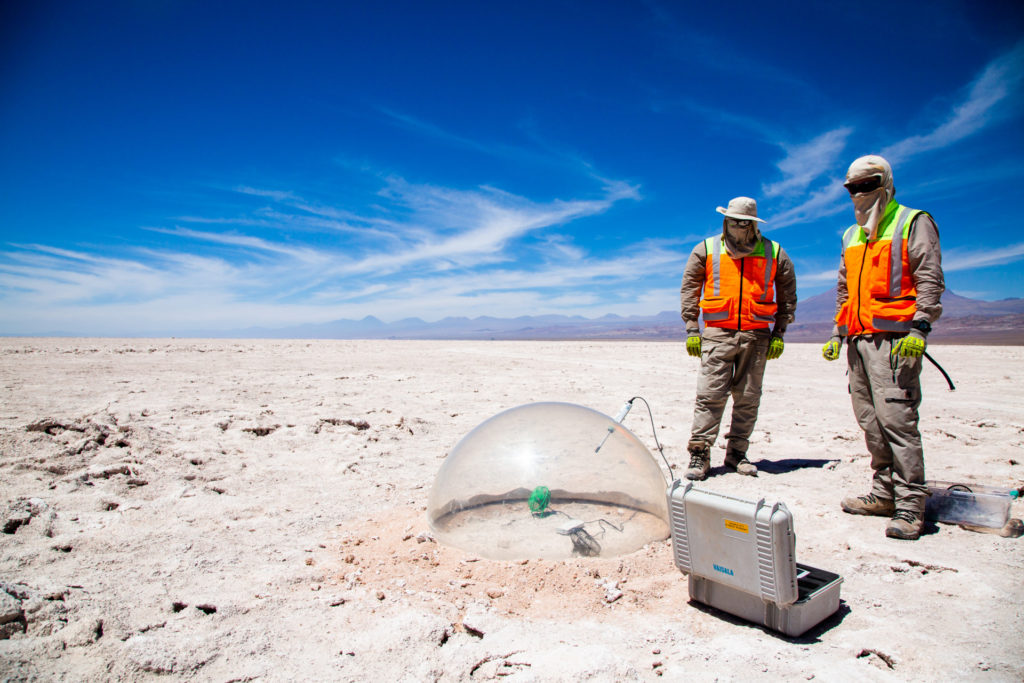
Chinese battery producer Contemporary Amperex Technology (CATL) is expected to resume production at its lithium mine in Yichun of Jiangxi province, in a move that could alleviate supply concerns and send the battery metal’s price retreating once again.
China’s state media reported the restart on Tuesday, one month after CATL suspended operations at the Jianxiawo mine when a licence expired on Aug. 9. The halt led battery-grade lithium carbonate prices to jump about 20% to a peak of 85,492 yuan ($12,000) per tonne on Aug. 20, according to Trading Economics. The price on Wednesday was $10,900 per tonne, according to The Wall St. Journal.
“CATL’s application for extending mining rights and licenses at Jianxiawo is progressing more rapidly than market expectations, with production potentially resuming as early as Sept. 20,” BMO Capital Markets analysts Helen Amos and George Heppel said in a note on Wednesday, citing research from critical minerals market intelligence group Project Blue.
“This may be an indication that Beijing does not consider lithium as a priority in its ongoing ‘anti-involution’ efforts, suggesting surpluses could be sustained,” the analysts added.
In China, the term anti-involution has been applied where authorities and companies seek to curb destructive cycles of over-investment and price-cutting that erode margins without boosting long-term competitiveness.
The August lithium price spike led to a surge in futures trading and rising shares of producers including Albemarle (NYSE: ALB), SQM (NYSE: SQM) and Sigma Lithium (Nasdaq: SGML). In addition, Zangge Mining halted brine production at Qarhan Lake and Jiangxi Special Electric Motor’s Yichun lepidolite mine began a 26-day maintenance period on July 25.
Limited impact
Initial expectations had forecast three months to one year until output at Jianxiawo resumed, Project Blue senior analyst Jordan Roberts said. But a Sept. 20 restart is likely to have a limited impact on ore and concentrate availability because production could be ramped back to pre-closure capacity by the end of the year or sooner.
Despite supply concerns, refineries in China were still producing while Jianxiawo was closed, giving the country’s battery sector enough lithium carbonate to process, which caused prices to drop since Aug. 20, Roberts said.
“The announcement may also dampen the risk of further closures to seven other mines in the Jiangxi Province, the operators for which have until Sept. 30 to submit resource, reserves and grade reports or face closure,” he said.
Back to reality
With the lithium price and supply situation set to return to its pre-August levels, Western lithium producers would still have to face an oversupplied market and low prices. Even the Aug. 20 peak was barely a blip amid lithium carbonate prices sitting in a slump after losing about 85% of their value since 2022. Producers also have to keep investing in new projects and refining capacity to meet long-term demand.
Rio Tinto (LSE, NYSE, ASX: RIO) expanded its global footprint with its $6.7 billion acquisition of Arcadium Lithium (NYSE: ALTM), while Lithium Americas (TSX, NYSE: LAC) advances its Thacker Pass mine in Nevada with support from General Motors (NYSE: GM) and US government funding.
In Australia, Tianqi Lithium and IGO (ASX: IGO) are trying to ramp up output at their underperforming Kwinana refinery, and in Europe, Vulcan Energy Resources (ASX: VUL) is pursuing net-zero-carbon lithium from geothermal brines as automakers seek more sustainable supply options.
More News
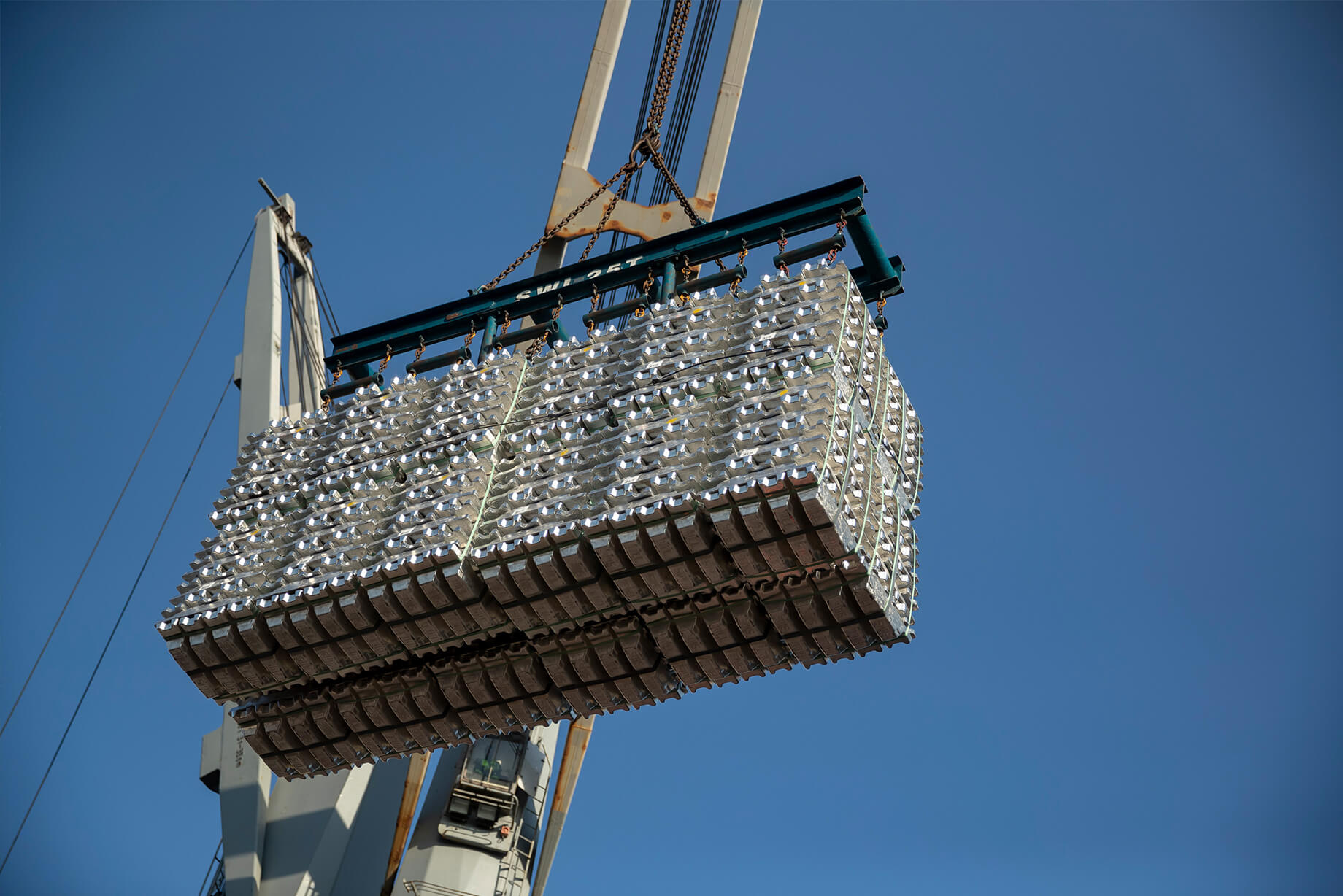
South32 sells nearly all its aluminum business to Alcoa for $5.6B
June 30, 2026 | 03:45 pm
{{ commodity.name }}
{{ post.title }}
{{ post.date }}
Comments
William Tahil
Extraction of lithium from the lepidolite deposits near the city of Yichun in Jiangxi Province is an unmitigated environmental disaster. 18 tonnes of lepidolite “concentrate” and 23 tonnes of solid waste per tonne of Li2CO3. 13 kg of hydrofluoric acid generated per tonne LCE – terrible stuff. They use that process to extract the rubidium from the lepidolite to make it economic. Low grade resource (0.3% Li2O), low grade “concentrate”, huge palls of dust cover the hills all the time, no capacity to deal with the vast amounts of solid waste. China needs to stop lepidolite mining.