Southeast Alaska Tribes sue BC government over mining projects in province’s northwest

The Stikine river is a transboundary river that flows from its headwaters in British Columbia, Canada, to its mouth in southeastern Alaska. Stock image.

The Southeast Alaska Indigenous Transboundary Commission (SEITC) last week filed a judicial review in the Supreme Court of British Columbia over proposed mining projects in the province.

SEITC claims the provincial government failed to consult SEITC and its 14 member Tribes on major mining projects proposed in the headwaters of the transboundary Taku, Stikine and Unuk rivers.

SEITC represents Tribal Nations whose traditional territory spans the US-Canada border. Its members formally requested consultation on any mining project that could affect their lands or rights on either side of the border.

The Commission said the province required SEITC to submit extensive ethnographic evidence of the Tribes’ historic and ongoing ties to the affected watersheds. SEITC said it complied, and BC’s cabinet then issued an order in council denying their “Participating Indigenous Nation” status and restricting them to “notification” level engagement.

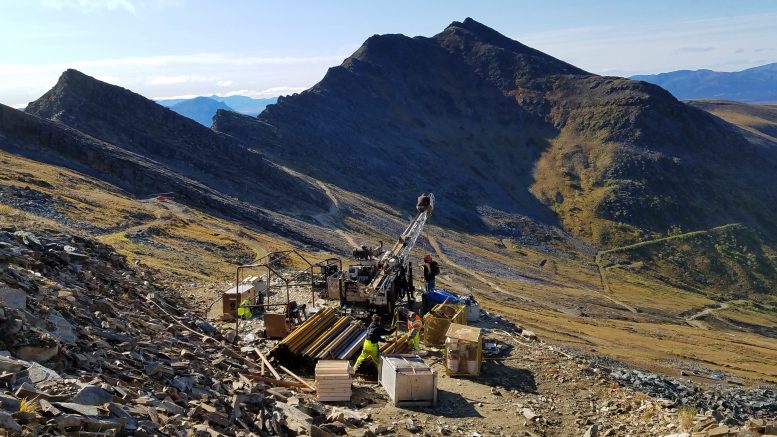
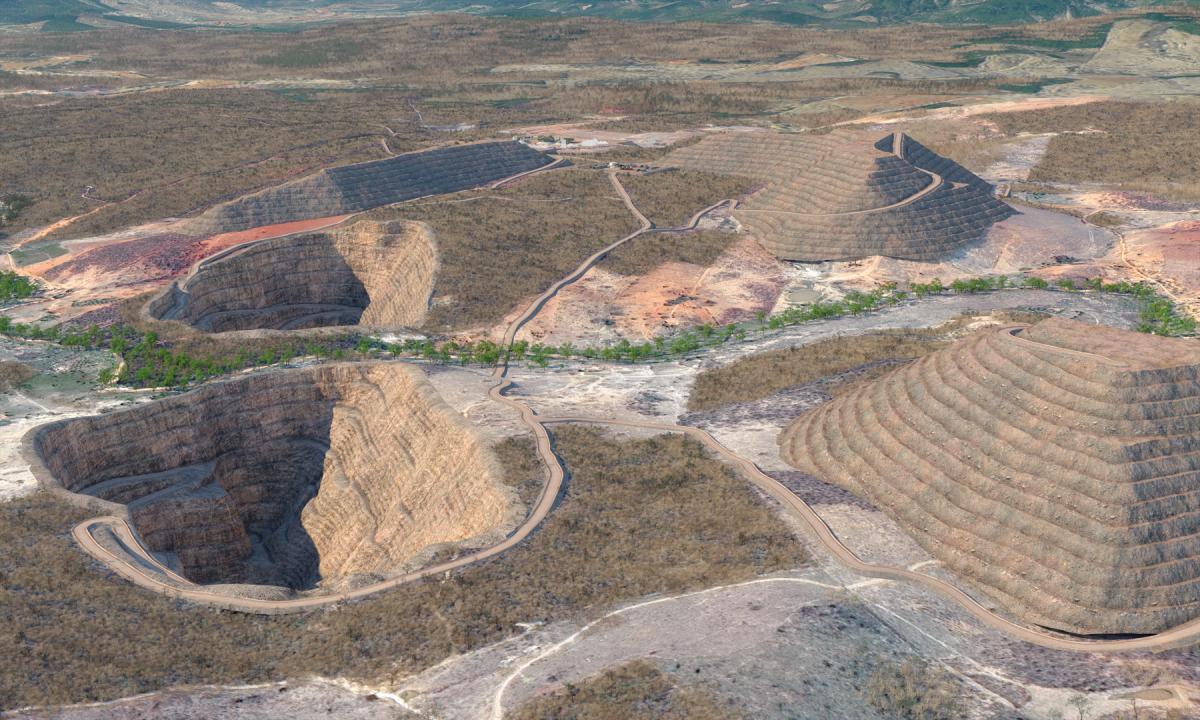
Mining projects the Tribes have concerns over include Skeena Gold and Silver’s proposed Eskay Creek project, and Newmont`s Red Chris mine, which has the support of the Tahltan nation and is among the first five major projects to undergo fast-track approval under Canada’s new Major Projects Office.

In 2024, a consortium of Alaska First Nations voiced opposition to the Eskay Creek project, a large open-pit gold mine sitting just across the Alaska-Canada border.

“While the imposition of the colonial border has partially displaced our Tribes, preventing access to traditional fishing, harvesting, spiritual, and habitation sites, and making it more difficult to maintain relationships with relatives in British Columbia, our Tribes have never surrendered or abandoned their claims to their traditional territories on the Canadian side of the border,” SEIT president Esther Reese said in a statement.

The legal challenge relies upon R v. Desautel, a 2021 landmark decision of the Supreme Court of Canada which found that Indigenous groups based in the United States whose traditional territories were severed by the US-Canada border may have constitutionally protected Aboriginal rights in Canada.

BC’s Environmental Assessment Office did not release a statement in response to the filing.

Comments

  • {{ commodity.name }}

    Contest Ranking Modal BG Contest Ranking Modal BG
    Contest Ranking Title

    The new Mining Power Rankings are live. Vote for the sector’s leaders in each of the Large-, Small-, and Micro-Cap leagues.

    Vote Now