Codelco and Glencore to jointly advance major copper smelter in Chile
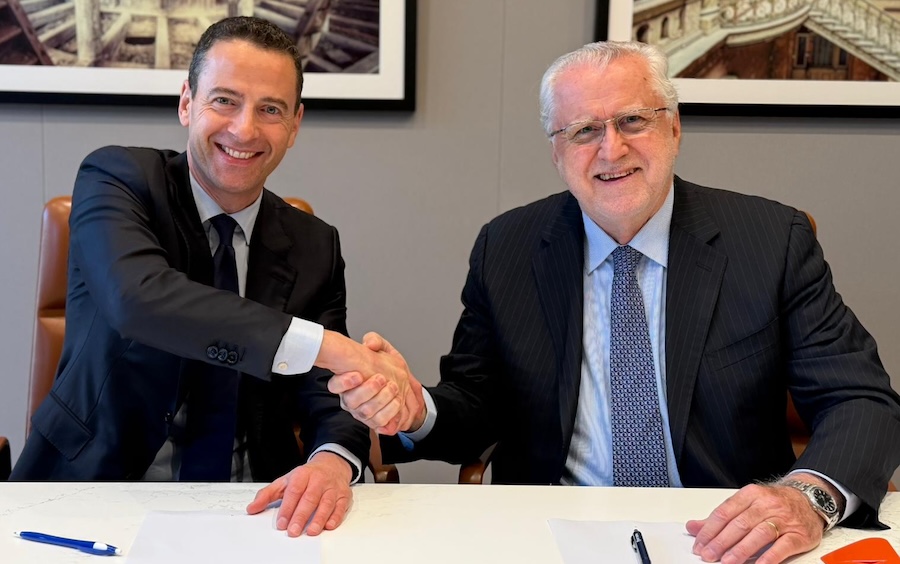
Chile’s state-owned copper miner Codelco has signed a memorandum of understanding with Swiss miner and commodities trader Glencore (LON: GLEN) to advance a new smelter project in the country.
Codelco will supply Glencore with up to 800,000 metric tonnes of copper concentrate a year while Glencore leads the project’s development, which covers the design, financing, construction, operation and maintenance of a plant.
The facility is expected to process 1.5 million dry metric tonnes annually under strict environmental standards. Codelco has previously said it will not directly build or finance the plant.
Codelco Chair Máximo Pacheco said the agreement marks a key step for Chile’s mining sector and aligns with long-term goals for sustainability and global competitiveness. He said the project supports the country’s strategic position as demand for critical minerals grows and nations push ahead with the energy transition.
“We believe this is a good initiative for Chile’s current and future mining ecosystem. The proximity of the new smelter to other copper-producing companies will provide logistical advantages, operational flexibility, and the possibility of capturing added value by refining concentrates close to the production source,” Pacheco said.
Final agreement in the works
Glencore will now begin a pre-feasibility study, with both companies aiming to complete a final agreement in the first half of next year. If approved, construction would start in 2030 and operations would begin between 2032 and 2033. Codelco said Glencore was chosen after a competitive tender.
Glencore CEO Gary Nagle said being selected as Codelco’s strategic partner for the landmark project reflected the company’s confidence in Chile.
The company, which has invested heavily in the country’s mining sector for years, said it looks forward to building a long-term partnership with Codelco.
Boost to Chile’s capacity
Industry consultants say the proposed plant would significantly expand Chile’s domestic capacity. Juan Ignacio Guzmán, CEO of GEM Mining Consulting, said the nation currently has about 5 million tonnes of installed smelting capacity, excluding the Paipote and Potrerillos smelters, meaning the new plant would lift national capacity by roughly 30%.
The expert noted that Chile’s share of global smelting capacity would rise from about 6% to 7%, but the project would not materially shift a global market still dominated by China, which supplies about two thirds of the world’s smelting output.
Guzmán said project siting and permitting will be key challenges for Glencore’s pre-feasibility work. “The Antofagasta region has been identified but not finalized, and the optimal site must balance cost competitiveness, community acceptance and environmental impact,” he said. Guzmán added that the chosen technology can capture nearly all gases, positioning the plant among the world’s cleanest, but permitting remains a major hurdle and carries political risk for both companies.
Overcapacity
The expert warned that Glencore and Codelco will be entering a global market marked by smelting overcapacity. China controls about 60% of global installed capacity and is operating well below full utilization because of limited concentrate supply. “That imbalance has pushed treatment and refining charges into negative territory this year,” Guzmán said.
He added that any Chilean smelter must rank among the world’s most efficient to compete against China’s low-cost, lightly regulated operations. “That local processing does avoid shipping costs and allows Chile to produce valuable sulfuric acid, which is expected to gain importance in sulfide leaching,” the consultant noted. Both companies must maintain strict commercial discipline to avoid losses, he warned.
{{ commodity.name }}
{{ post.title }}
{{ post.date }}
Comments