Bolivia vows to back lithium, energy deals to rebuild trust
Bolivia’s new pro-United States government says it will honour all existing hydrocarbons and lithium contracts, including opaque deals with Chinese and Russian companies, as it seeks to restore investor confidence after years of political and economic turmoil.
Energy Minister Mauricio Medinaceli said last week the government would respect agreements signed by the previous leftist administration, even where it disagrees with how they were awarded, calling the pledge a “first message to investors.”
Speaking in La Paz on January 16, Medinaceli said the commitment covered oil traders that supplied fuel last year as well as companies involved in lithium exploration.
Ideology could not dictate policy, he said, adding that companies which had already invested in Bolivia would not see their contracts torn up, though the government would seek talks on how to move forward within existing legal frameworks.
US pivot
President Rodrigo Paz, who took office in November 2025, is betting on Bolivia’s vast but underdeveloped lithium resources while courting closer ties with the US to address inflation, fuel shortages and dwindling dollar reserves.
The government plans to open lithium projects to foreign capital, increase transparency around opaque contracts, certify resources with independent third parties and push broader economic reforms.
Foreign Minister Fernando Aramaio said late last year that Bolivia was seeking financial assistance from the Trump administration, including a possible currency swap similar to one extended to Argentina, after meetings with senior US officials in Washington.
Officials also want to draw US investors into a lithium sector that remains largely untapped despite Bolivia holding some of the world’s largest deposits.
Hard realities
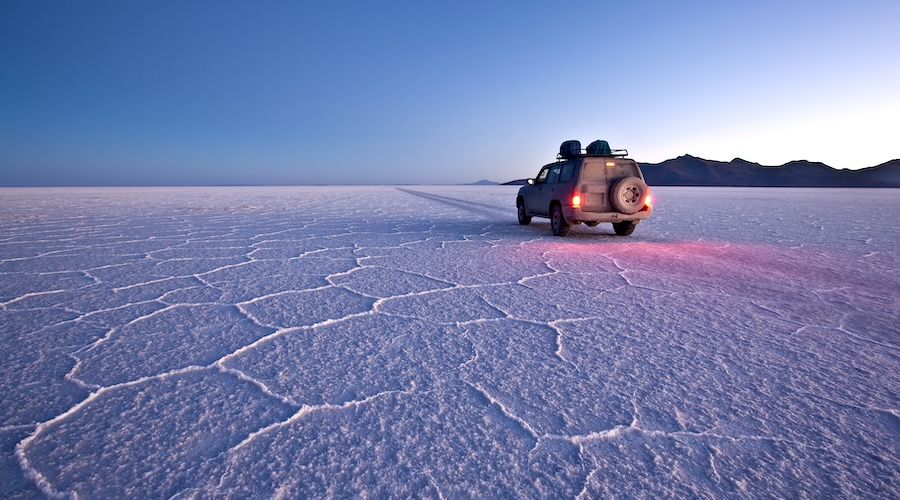
Previous governments tried and failed to scale lithium production through a state miner, leaving vast reserves locked beneath highland salt flats that could supply the electric vehicle boom.
Bolivia has roughly double the lithium resources of neighbouring Chile, but they are not yet considered commercially viable by the US Geological Survey because of high magnesium content and costly logistics, including a more than 300-mile route to the nearest port.
Analysts say Bolivia faces an uphill battle in an already oversupplied global lithium market. Federico Gay of Benchmark Mineral Intelligence said even with improved regulation, Bolivia is unlikely to become a major producer before the end of the decade, citing its history of unrest and contract cancellations.
The country also holds large natural gas reserves, but declining output has forced it to rely on imported fuel, including diesel from Russia, as domestic production falls.
(With files from Reuters)
More News
{{ commodity.name }}
{{ post.title }}
{{ post.date }}
Comments