Brazil prosecutors call for halt on lithium mining in Minas Gerais
Brazil’s federal prosecutors have asked the country’s mining regulator to suspend lithium projects in Minas Gerais, citing inadequate consultation with local communities and environmental risks.
The Federal Public Ministry (MPF) requested that the National Mining Agency (ANM) review exploration and extraction licences in Araçuaí and neighbouring municipalities in the Jequitinhonha Valley, the region that hosts most of Brazil’s lithium developments. The agency has 20 days to assess current permits and stop issuing new ones until proper consultations are carried out.
Prosecutors said indigenous groups, quilombola (Afro-Brazilians descendants of slaves) communities and other traditional residents were not consulted before projects were approved. They stressed that permits must follow principles of free, prior and informed consent, in good faith.
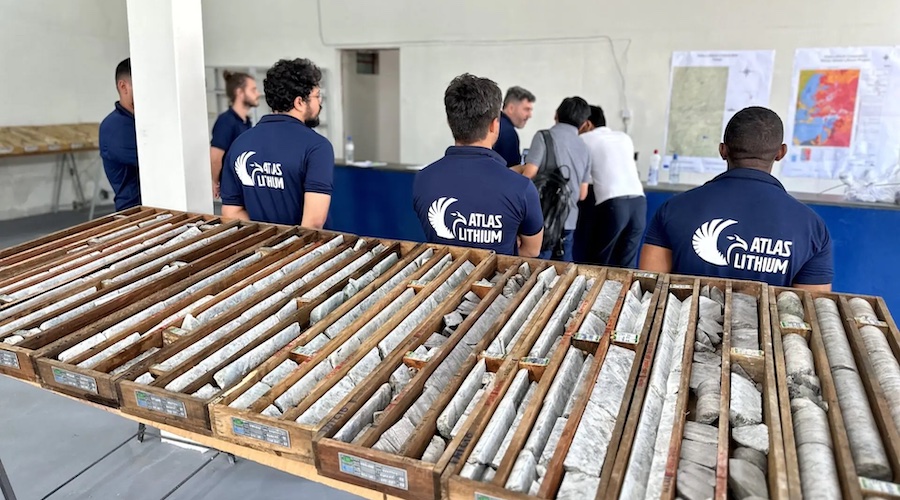
Prosecutors also claim that existing operations have already harmed local communities. Quoting “expert reports” MPF said the Neves project, operated by Atlas Lithium (NASDAQ: ATLX), disrupted water supplies when roadwork damaged community pipelines in Calhauzinho, Passagem da Goiaba and other areas.
“The reports warn that the expansion of mining will increase pressure on infrastructure and water resources,” MPF said in the statement.
Sigma Lithium’s (TSX-V, NASDAQ: SGML) subsidiary, Sigma Mineração, also came under scrutiny. A 2021 technical review identified flaws in the company’s Environmental Impact Study for the Grota do Cirilo project, particularly concerning water management in Araçuaí and Itinga, MPF said. Two planned open pits could affect the Piauí stream, the main water source for residents and rural communities, especially during dry seasons.
“If the ANM does not comply with the recommendation, the MPF may adopt other administrative and judicial measures,” it said.
Atlas and Sigma did not respond to requests for comments the day this article was posted, but on Sep. 15, a spokesperson for Sigma reached out and reiterated the Grota do Cirilo Project has all environmental permits granted by the appropriate agencies, in full compliance with Brazilian law.
“The company categorically rejects incorrect and unfounded allegations regarding a lack of consultation or alleged flaws in the Environmental Impact Assessment (EIA),” he said in an emailed statement. “All studies were conducted with technical rigor, evaluated and approved by the appropriate agencies—including SEMAD, based on CONAMA Resolution No. 01/1986, which requires an EIA and its corresponding Environmental Impact Report (RIMA)—and remain under constant supervision.”
Sigma also noted there are no indigenous peoples within the legal radius of the project. “This has been confirmed by the responsible environmental agencies during the licensing process,” he said in the statement.

{{ commodity.name }}
{{ post.title }}
{{ post.date }}



Comments