Diamond crash 2025: market slump met tech pressure
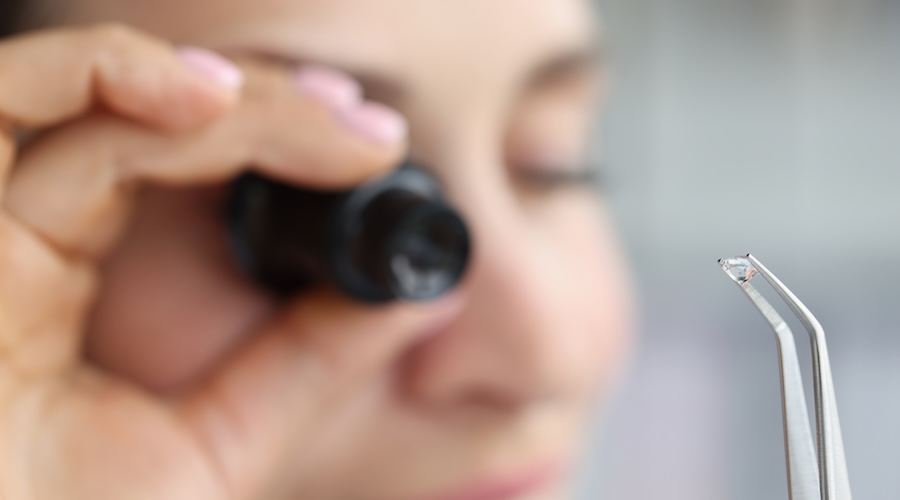
The global diamond business sank deeper in 2025 as weak demand, cheap lab-grown alternatives and geopolitical tensions combined to shake traditional mining to its core.
The world’s largest diamond miner, De Beers, posted a dramatic revenue drop, stocked up about $2 billion in unsold natural stones and announced plans to cut more than 1,000 jobs across major operations as markets slowed. The announcement came as parent Anglo American (LON: AAL) moved to sell De Beers and later said it would merge with Canada’s Teck Resources (TSX: TECK.A TECK.B, NYSE: TECK).
Other producers also struggled. Russia’s Alrosa saw profits plunge nearly 80% and suspended activity at key sites, which helped it end the year in a better shape than expected. Smaller miners entered administration or shut mines entirely.
Lab-grown diamonds, chemically and visually identical stones continued to reshape consumer behaviour and undercut prices for mined gems. They now account for a growing share of engagement ring sales, pushing industry leaders to question the long-standing value proposition of mined diamonds.
Market reset
The rapid rise of synthetic stones has already forced strategic shifts. De Beers abandoned its Lightbox lab-grown jewellery brand and refocused its marketing efforts on mined diamonds.
Governments and industry bodies have responded with collective efforts to shore up the natural diamond sector. Under the Luanda Accord, producers including Botswana and Angola pledged to allocate 1% of annual diamond revenues to a global marketing campaign designed to revive demand for natural stones.
Botswana, Africa’s leading natural diamond exporter, has felt the impact most sharply. Sales have dropped sharply, forcing production cuts, rising unemployment and deepening fiscal strain in an economy heavily dependent on diamond income.
Debswana, the state-owned venture with De Beers, announced output reductions of up to 40% for 2025, reflecting weak demand and intense pricing pressure from lab-grown alternatives.
Next chapter
Analysts link these market fractures to a broader shift in consumer preferences, a saturation of lab-grown supply and a luxury market slowdown in China, once a key driver of diamond growth.
Despite signs that lab-grown diamond prices have recently softened, potentially diminishing their appeal, industry executives say restoring confidence in natural stones will require sustained branding and strategic coordination.

{{ commodity.name }}
{{ post.title }}
{{ post.date }}



Comments