Galiano halts Ghana deposit work after clash

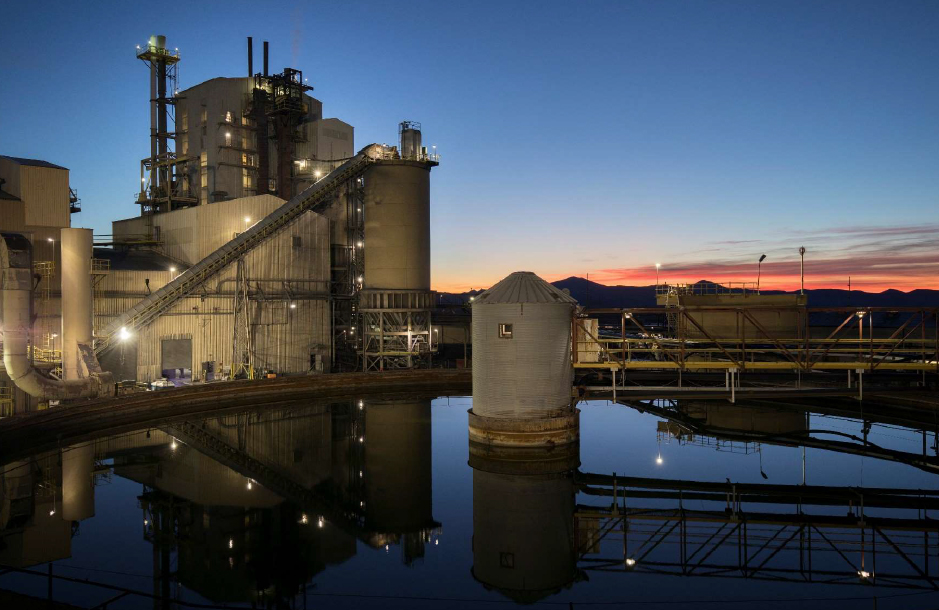
A view of facilities at the Asanko Gold Mine. Credit: Galiano Gold.

Galiano Gold (TSX, NYSE-A: GAU) says it temporarily suspended operations at the Esaase deposit at Ghana’s Asanko mine after one person died Tuesday during a clash between soldiers and area residents.

The incident took place on the company’s concessions in Ghana’s Amansie South district, about 300 km northwest of Accra, Galiano said Tuesday night in a statement. Tensions escalated in the community, resulting in civil unrest and damage to contractor equipment. The military presence is part of a state-mandated security intervention that’s coordinated through the Ghana Chamber of Mines, according to the company.

Investigations are underway and Galiano is supporting authorities, government officials and community leaders. Operations at the mine’s Abore deposit and processing plant are unaffected. About 2,200 people work at Asanko.

“We will look for additional details as they emerge, but we believe there could be potential impact to 2025 production depending on the duration of Esaase pit suspension,” BMO Capital Markets analyst Raj Ray said Wednesday in a note.

Galiano shares fell as much as 15% to C$3.01 on Wednesday morning in Toronto before paring losses to trade at C$3.24, for a company market value of about C$839 million. The stock has traded between C$1.44 and C$3.69 in the past year.

Mid-tier producer

Galiano produced about 115,000 oz. of gold in 2024 and remains a mid-tier player in Ghana. It sits well below the country’s leading miners – including Newmont (NYSE: NEM), which operates the Akyem and Ahafo mines; Gold Fields (NYSE: GFI), owner of the Tarkwa and Damang complex; and AngloGold Ashanti (NYSE: AU; JSE: ANG), formerly running the Obuasi mine. All three are delivering several hundred thousand ounces annually.

While Ghana is Africa’s top gold producer, with 2025 output forecast to reach 5.1 million oz. from 4.8 million in 2024, recent political moves highlight growing unease over how the nation benefits from its mineral wealth. The government has prohibited foreigners from trading artisanal gold, launched the GoldBod agency to centralize legal trade, expanded agreements to buy 20% of miners’ output to shore up foreign exchange reserves and deployed a security-backed task force to crack down on smuggling and illegal mining.

Esaase is one of four main open-pit mining areas at Asanko, Galiano’s lone operating asset. The mine also hosts a 5.8-million-tonne-a-year carbon-in-leach processing plant.

Operations at Esaase began in the first quarter. The deposit accounted for about 42%, or 1.1 million tonnes, of the mine’s first-half ore output, Ray says.

Asanko has proven and probable reserves of 47.1 million tonnes grading 1.36 grams gold per tonne for contained metal of 2.06 million ounces.

Output forecast

Galiano expects Asanko to produce between 130,000 and 150,000 oz. of gold this year at an all-in sustaining cost of $1,750 to $1,950 per ounce. It envisions output rising steadily over the next few years, reaching 230,000 to 260,000 oz. by 2029.

“At this point we are not expecting any change to guidance but depending on the duration of the Esaase pit suspension there could be some risks to guidance,” Ray said.

Galiano owns 90% of the Asanko mine, with the government of Ghana holding the remainder. Gold Fields controls just under 20% of Galiano’s common shares, while Connecticut-based investment management firm Equinox Partners owns about 11%.

Comments

No comments found.

{{ commodity.name }}

Contest Ranking Modal BG Contest Ranking Modal BG
Contest Ranking Title

The new Mining Power Rankings are live. Vote for the sector’s leaders in each of the Large-, Small-, and Micro-Cap leagues.

Vote Now