Glencore says key issues remain in Horne smelter talks

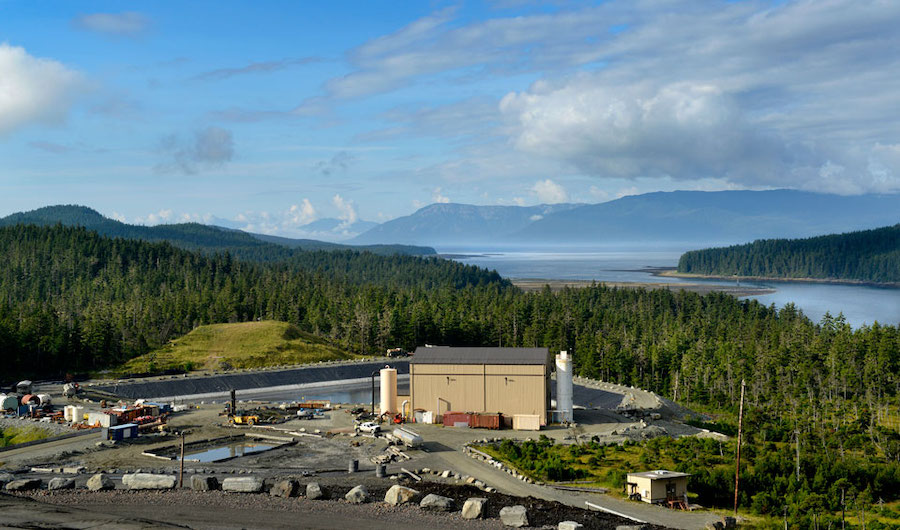
The nearly 100-year-old Horne copper smelter. Credit: Glencore.

Glencore (LSE: GLEN) said it remains at loggerheads with Quebec over the future of its controversial Horne smelter on the eve of a self-imposed deadline to settle the century-old facility’s fate.

“At this time, certain key elements remain unresolved. It is critical to break the current impasse without delay to secure the continuation of operations and the investments required to support the future of the Horne smelter” and a company-owned refinery in Montreal, Glencore said Friday in a statement.

Swiss-based Glencore said three weeks ago it had given the smelter until Jan. 31 to complete preparatory work aimed at cutting pollutant emissions. Modernizing the facility to lower emissions would cost about $300 million (US$200 million), Glencore said in December.

Glencore has repeatedly come under fire in the province due to the pollution that Horne causes in Rouyn-Noranda.

Although Horne greatly exceeds provincial standards for arsenic emissions, it benefits from special agreements with the provincial government. Under the most recent ministerial authorization, Horne must produce no more than 45 nanograms of arsenic per cubic metre of air for the fiscal year ending in March. From 2027 onwards, the target will be 15 nanograms – five times the provincial standard.

Transition period

Glencore has requested an 18-month “transition period” to reach 15 nanograms per cubic metre. It also wants assurances that the target won’t be lowered in ensuing years.

“Glencore Canada reiterates its willingness to invest in its facilities, but a financial commitment of this magnitude requires stability and predictability,” the company said Friday. “This is contingent on finding a path forward towards a stable and realistic regulatory framework for the years ahead — at a minimum for the duration of the next ministerial authorization.”

The next steps in the process “will depend on the parties’ ability to reach agreement quickly on viable conditions that both enable the company to deliver on its commitment to continuous improvement and support the long-term sustainability of its operations,” Glencore added.

Deal needed

Two Quebec unions last week urged Premier François Legault to strike a deal with Glencore over the smelter before relinquishing his post this spring. Legault announced in early January he would resign as soon as a successor has been chosen.

Horne and another Glencore facility, Montreal’s Canadian Copper Refinery (CCR), form Canada’s only complete copper-smelting and refining chain. Horne processes copper concentrate from mines, churning out about 210,000 tonnes a year of copper and precious metals.

Unions warn that CCR would also shut its doors if Horne closes down since the Rouyn-Noranda plant is its main supplier.

In October, the Quebec Superior Court authorized a class-action lawsuit brought by two Rouyn-Noranda residents against Glencore and the provincial government. The plaintiffs say emissions produced by Horne have caused various types of damage.

Comments

Your email address will not be published. Required fields are marked *

No comments found.

{{ commodity.name }}

Contest Ranking Modal BG Contest Ranking Modal BG
Contest Ranking Title

The new Mining Power Rankings are live. Vote for the sector’s leaders in each of the Large-, Small-, and Micro-Cap leagues.

Vote Now