Gold’s the 5% hedge, not a trade: Kevin O’Leary
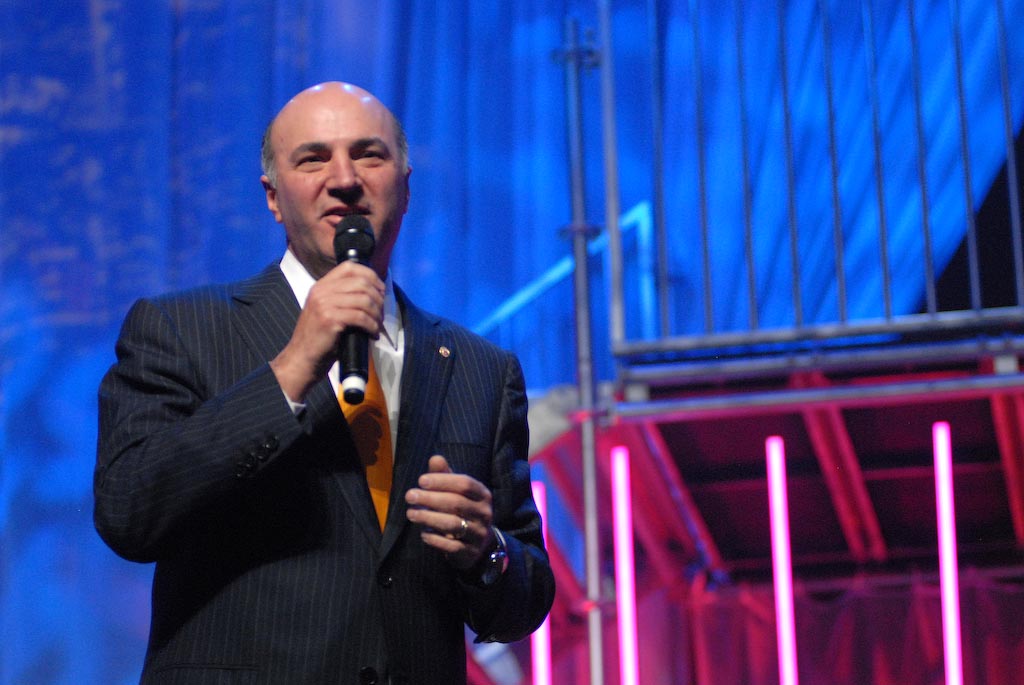
To Kevin O’Leary, investing in gold is straightforward: own it, size it sensibly, and treat it as long-term portfolio insurance—especially when politics and markets get messy.
Recently, the Canadian businessman and TV personality joined CEO.CA’s EarthLabs CrashLabs podcast to discuss his views on the yellow metal.
O’Leary, a long-time gold bull, says he has maintained a 5% allocation to gold for decades, framing it as a permanent position rather than a tactical trade.
He describes the importance of holding physical bullion—specifically large bars (100 g and 1 kg) —and paying for storage on a portion of the stash because, as O’Leary puts it, “he never sells those.”
The point isn’t to chase short-term upside; it’s to keep a durable hedge that can sit quietly for years and then suddenly matter a lot, he adds. Bullion, as he notes, can be the kind of asset you “wait a decade” for.
O’Leary also emphasizes the practical side: many investors still don’t know how to buy gold properly. That’s partly why he says he also buys coins, not just bars, as they’re easily accessible and transportable.
O’Leary also makes a portfolio-construction argument that’s consistent with his long-standing approach: gold is something you rebalance on a quarterly basis.
So far this year, bullion has risen by 15%, a continuation of its best annual performance since 1979. On Monday, the yellow metal set another new record after surpassing the $5,100-an-ounce mark.
Gold above crypto
On gold’s spectacular rally, O’Leary attributes this partly to cryptocurrencies taking a backseat over the past two years. For all the “digital gold” hype, large institutions largely don’t own crypto because compliance rules often don’t allow it, he notes.
“Most institutions — I’m talking sovereign wealth and pension money — don’t own any crypto at all,” O’Leary says, using Norway and the US as examples where compliance overlays don’t allow them to.
Meanwhile, these institutions have 5% waiting in gold and can go even upwards of 19%, he says.
That matters, he argues, because it helps explain why gold has remained dominant as a crisis hedge: institutional capital can buy gold easily—via bullion, miners or ETFs—while crypto remains structurally harder for many big pools of money to hold.
In other words, gold has a built-in demand base that doesn’t disappear when narratives shift.

{{ commodity.name }}
{{ post.title }}
{{ post.date }}



Comments