Nickel prices: How did we get here and what comes next?

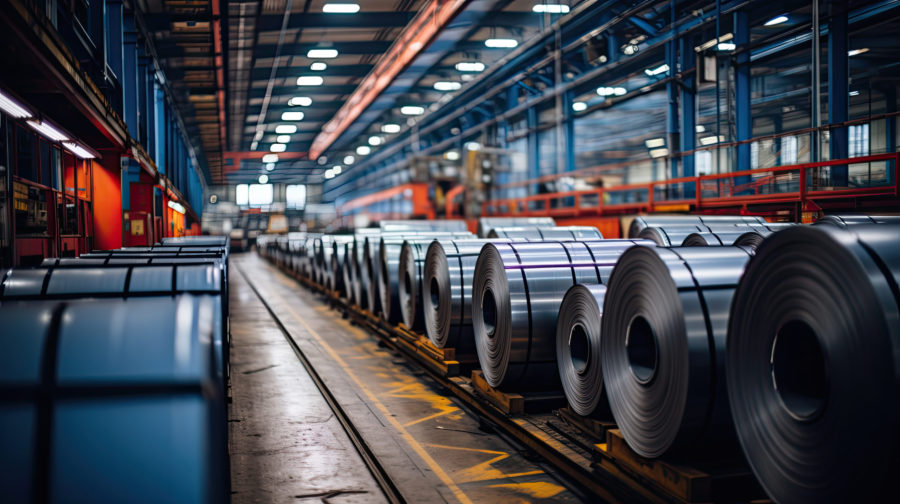
Refined nickel at Glencore’s Nikkelverk refinery in Norway. Credit: Glencore

Nickel prices have risen substantially over the past 12 months and are edging closer to the $9 per lb. or $20,000 per tonne threshold that analysts believe could spur investment in new supply.

Nickel prices, however, have been dogged by an anchor over the past decade, so it’s important to take a look at how we got here before trying to determine what might come next.

Broadly speaking, about two-thirds of global nickel production goes into the stainless-steel market. Now impacted by pandemic-induced production curtailments, this market is currently awash with raw material. As a result, even those nickel producers intending to penetrate the high-end battery market, deal with prices impacted by the stainless-steel industry.

Stainless steel producers have the rare luxury of being able to accept all forms of nickel. They can take Class 1 nickel, which is 99.8% purity in the form of cathode, briquettes, or oxide.

They can take stainless steel scrap, which contains nickel, which is supplied by a significant recycle scrap industry both in Europe and in the United States. And they can also use ferronickel or nickel pig iron (NPI). Of these, NPI forms the largest part of the current anchor on nickel prices.

Anthony Milewski

To understand today’s pricing, we have to look back to pre-2007, when there was a squeeze on nickel prices. To fill the supply gap, companies made big bets by investing in massive projects with multi-billion dollar capex requirements. For example, Sherritt International invested in Ambatovy in Madagascar, Vale Inco in the Goro project in New Caledonia, Sumitomo Metal Mining in Coral Bay in the Philippines, and BHP in Ravensthorpe in Australia. Every single one of these projects destroyed capital with massive cost overruns and technological challenges.

Then add some other multi-billion-dollar plays including Glencore-Xstrata and its Koniambo mine in New Caledonia, and Anglo American and Vale investing in the Barro Alto and Onça Puma projects, respectively, in Brazil.

Comments

No comments found.

{{ commodity.name }}

Contest Ranking Modal BG Contest Ranking Modal BG
Contest Ranking Title

The new Mining Power Rankings are live. Vote for the sector’s leaders in each of the Large-, Small-, and Micro-Cap leagues.

Vote Now