Idaho’s Stibnite gold-antimony project cleared to begin construction
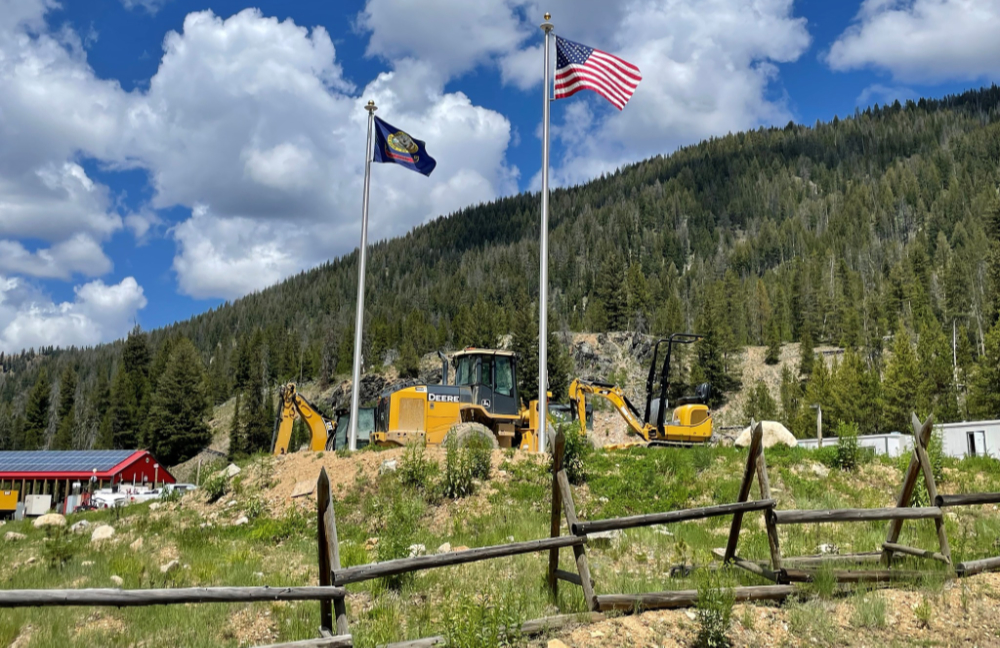
Perpetua Resources (NASDAQ, TSX: PPTA) has received a notice to proceed from the US Forest Service, authorizing the construction of its $1.3 billion Stibnite gold-antimony project in Idaho.
The project secured its record of decision in January followed by final federal approval in May, with Friday’s notice marking the last step before construction can begin once financial assurance bonds are posted.
The company expects to finalize bonding in the coming weeks, with construction slated to start by October.
Shares of Perpetua rose 1% on Friday, trading at $17.59 in New York and giving the company a market capitalization of about $1.9 billion.
Strategic critical mineral supply
The Stibnite project is expected to begin commercial production by 2028, with a 15-year mine life that could supply more than 100 million lb. of antimony, meeting over 35% of US annual demand.
Antimony is a metal vital to defense applications, including munitions, as well as renewable technologies like solar panels. Currently, the US has no domestic production of antimony and relies heavily on imports, primarily from China.
“This is a monumental milestone,” Perpetua’s CEO Jon Cherry said in a news release. “After eight years of review and over $400 million invested, it is finally time for the Stibnite Gold project to deliver for America. We are ready to bring Stibnite back to life as a national strategic asset.”
The project will also produce roughly 450,000 oz. of gold annually, providing a dual revenue stream. Proven and probable reserves at the site include 148 million lb. of antimony and more than 6 million oz. of gold.
Last April, the US Export-Import Bank signaled support for the project with a letter of interest for up to $1.8 billion in financing, which remains under review.
The project has backing from billionaire investor John Paulson and has also drawn political attention in Washington, particularly after China’s decision last year to block exports of antimony to the US.
Environmental concerns
Perpetua has emphasized the project’s dual focus on mineral production and environmental restoration. The final mine plan was redesigned to reduce the project footprint by 13%, improve stream and wetland conditions, and reconnect fish habitats.
Still, the project has faced opposition from Idaho’s Nez Perce tribe, which has raised concerns over potential impacts on salmon populations in the region.
Located in Idaho’s Stibnite-Yellow Pine district, about 222 kilometers northeast of Boise, the site was once a critical supplier of antimony during World War II.
The project hosts 104.6 million proven and probable tonnes grading 1.43 grams gold per tonne and 0.064% antimony for 4.8 million oz. gold and 148 million lb. antimony, according to the feasibility study.

{{ commodity.name }}
{{ post.title }}
{{ post.date }}



Comments
Jeffrey E Blackmon
This property has been prospected by major companies since the 1970’s, most turning away over environmental concerns. Perpetua will be under the microscope every step of the way, knowing that if they screw up it will be a major dagger to the domestic mining industry.