Pope Leo XIV urges ethical mining in Vatican talks
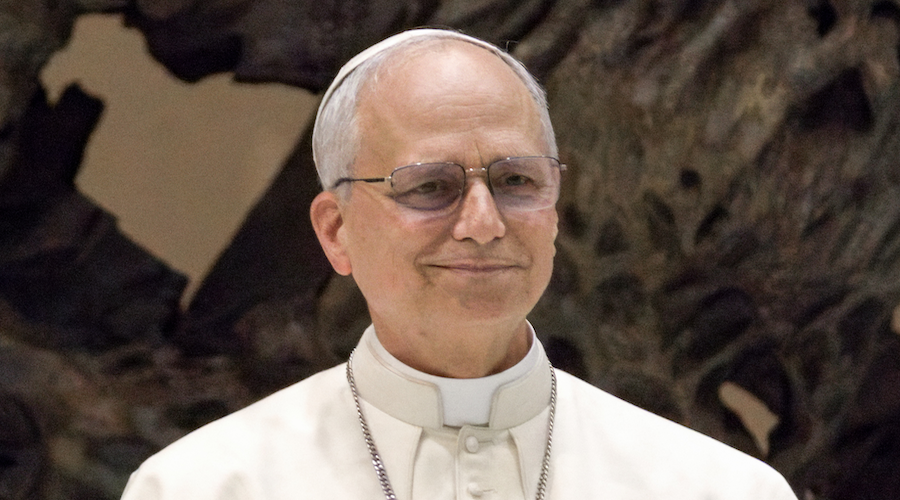
Pope Leo XIV met senior mining and energy executives at the Vatican on Saturday to press for more ethical approaches to resource extraction, signalling a shift in tone between the Church and the global extractives industry.
The private audience brought together more than a dozen industry leaders, including BHP (ASX, LON, NYSE: BHP) chief executive Mike Henry, Vale chief executive Gustavo Pimenta and Ivanhoe Mines (TSX: IVN) executive chair Robert Friedland and Sigma Lithium (NASDAQ: SGML) CEO Ana Cabral.
Leo, the first US-born pope and the son of Peruvian parents, has spoken frequently about Latin America’s role in supplying minerals critical to the global economy.
The meeting formed part of the Vatican’s Building Bridges Initiative, which aims to align economic development with social and environmental justice. Discussions focused on ethical mining practices, human rights, decent work and what the Church describes as “integral ecology,” echoing themes from Pope Francis’s landmark Laudato Si’ encyclical on care for creation and workers.
Church officials said the Vatican is seeking a more active role in global economic debates, urging companies to adopt humane and sustainable approaches to resource extraction. Initiatives such as Borgo Laudato Si’ are intended to turn those principles into practical engagement with industry and communities.
Collaborative shift
The outreach marks a contrast with the more confrontational stance sometimes taken by Leo’s Argentinean predecessor. In 2018, Francis told the heads of BP and ExxonMobil to stop exploring for new fossil fuels, warning that unchecked energy use could destroy civilization.
Mining companies have spent more than a decade trying to improve relations with faith groups, including the Catholic Church, as scrutiny of environmental and social impacts has intensified. Leo has acknowledged that modern technologies depend on minerals, while condemning the conditions under which many are extracted.
In an October speech, he cited coltan from the Democratic Republic of Congo as an example, noting that while it underpins everyday devices, its extraction is often linked to paramilitary violence, child labour and the displacement of communities. “The dynamisms of progress should always be managed through an ethic of responsibility,” he said.
{{ commodity.name }}
{{ post.title }}
{{ post.date }}

Comments