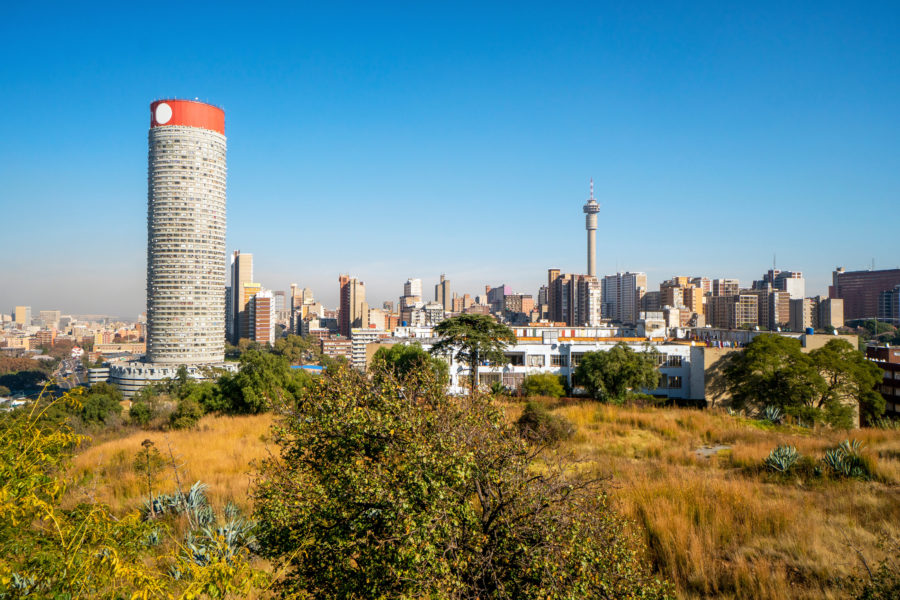
Cameco halts Saskatchewan uranium operations after floods
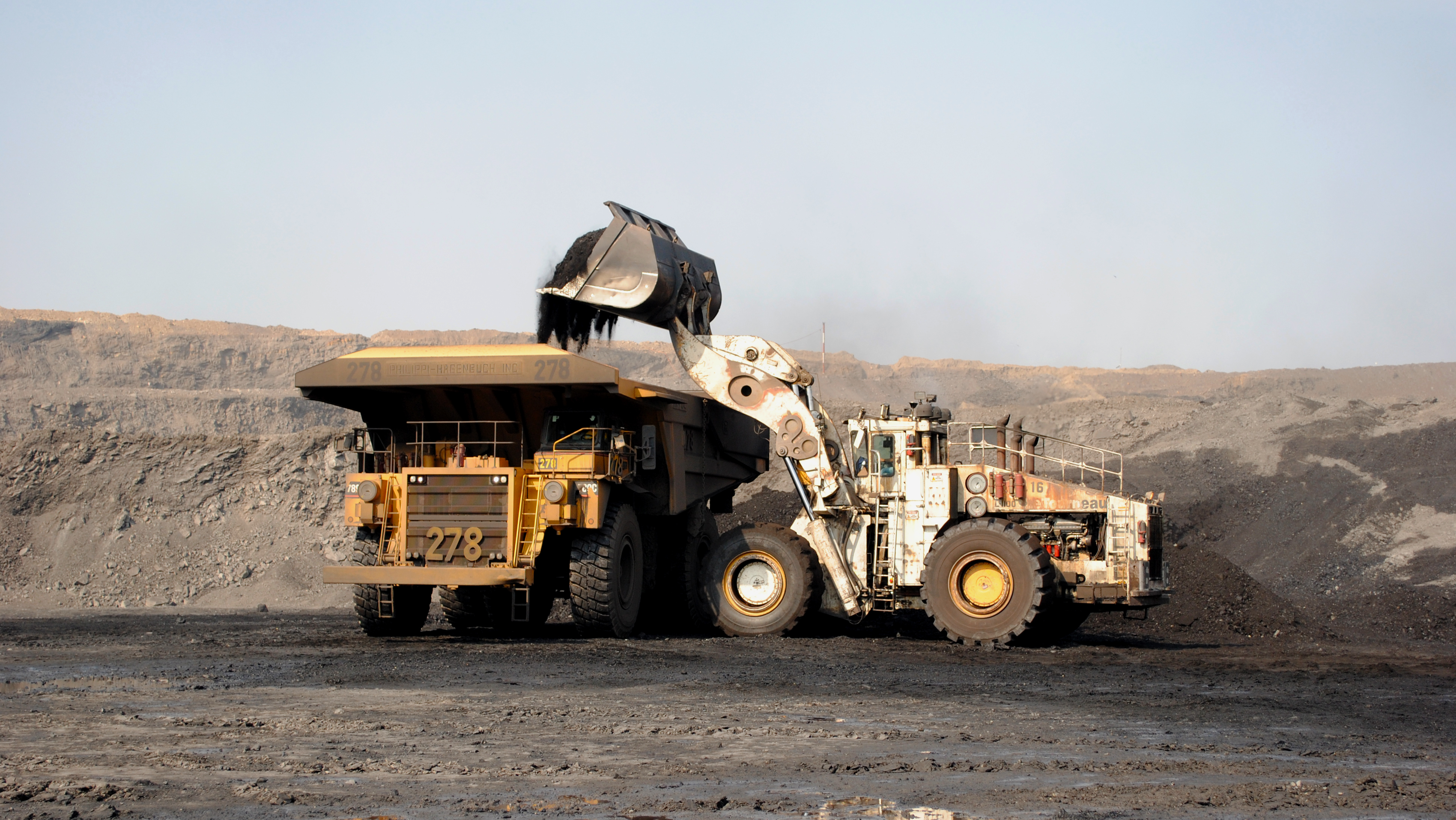
Flooding in northern Saskatchewan has disrupted supply routes to the McArthur River mine and Key Lake mill.

(via TheNewswire)
Inversion modelling reveals multiple highly prospective VMS targets
Vancouver, British Columbia – TheNewswire - May 11, 2026. Cascade Copper Corp. (CSE:CASC, FRA:91O ) (“Cascade” or the “Corporation”) is pleased to announce that it has received Electro-Magnetic (EM) Plate Modelling results from the historic VTEM airborne survey performed by Geotech Ltd in 2010. The plate modelling was created and interpreted by Mira Geoscience which uses advanced analytical techniques to produce the 3D inversions. The results indicate multiple highly prospective Volcanogenic Massive Sulphide (VMS) targets at and near the Main Gossan Zone (“MGZ”) at its Centrefire Copper and Gold Project (the “Project”) located ~40 kilometres northeast of Dryden, Ontario, Canada.
Highlights
Two classic high-conviction VMS targets within the MGZ identified by high conductivity associated with high magnetic response.
Additional compelling VMS targets along strike of the MGZ with similar coincident signatures to the MGZ; now being referred to as the Southwest Zone, or SWZ.
Potential Banded Iron Formation (BIF) gold targets separate from the VMS targets.
Click Image To View Full Size
Figure 1: Isometric view of the MGZ at Centrefire showing plate models of conductors, with hotter colours indicating increasing conductivity. Copper values in historic drill holes are shown with colour ranges.
Jeff Ackert, President and CEO for Cascade Copper comments “The exercise of modelling the VTEM data at Centrefire prior to drilling has created some exceptional VMS targets in and around the MGZ. On the ground we’ve observed highly mineralized and highly altered volcanic rock. Sampling of trenches and outcrops has returned multi-percent copper values, multi-gram gold and silver values - now backed up with several sub surface geophysical expressions of VMS mineralization. We feel that the targets are well vetted and de-risked to give us the best chance of a significant discovery. Our upcoming drilling will verify the model - with additional upside within the Centerfire claims along the highly prospective 8km strike length.”
The historic drilling at Centrefire (Phelps Dodge 1968) targets surface mineralization which is interpreted to be the feeder zone for the more laterally extensive and more mineralized VMS horizon at depth. The mineralized system is interpreted to be folded and overturned resulting in the ancient VMS lens horizons expected position occurring further below the current surface. The highly conductive and flat lying plate models confirm this interpretation, as they represent the tops of the most conductive material. These flat lying, highly conductive plates are also associated with high magnetic signatures typical of the metamorphism from pyrite to magnetic pyrrhotite in the lens. This combination of high conductance and high magnetic signature represent a typical Archean age VMS system.
Table 1 Highlights of top 20 copper-gold assay results from grab samples taken at Centrefire
Click Image To View Full Size
Drill Targets Refined
As a result of the EM plate modelling and in concert with the magnetic inversion previously completed (See Press Release January 26, 2026) and recent channel sampling at the MGZ, several high-conviction drill targets have been identified. The initial priority will be to drill beneath the Phelps Dodge historic holes that intersected wide intervals of copper mineralization and continue towards the flat lying EM plate “1980_flat” with a conductivity-thickness (c-t) of 495. A c-t value of over 400 is deemed to be quite extraordinary in a VMS system. The Phelps Dodge holes look to have intersected the feeder zone stock work and were not drilled deep enough to intersect the flat lying VMS horizon.
Click Image To View Full Size
An additional high-priority target for in-field follow-up and potential Phase 2 drilling will be the flat lying EM plate “1920_flat” that registers a c-t of 475 and the adjacent “1900_flat” that registered a c-t of 376.8. This target is approximately 600m southwest and along strike of the “1980_flat” plate. This Phase 2 target is now being referred to as the Southwest Zone (SWZ).
Click Image To View Full Size
Mineralization Style
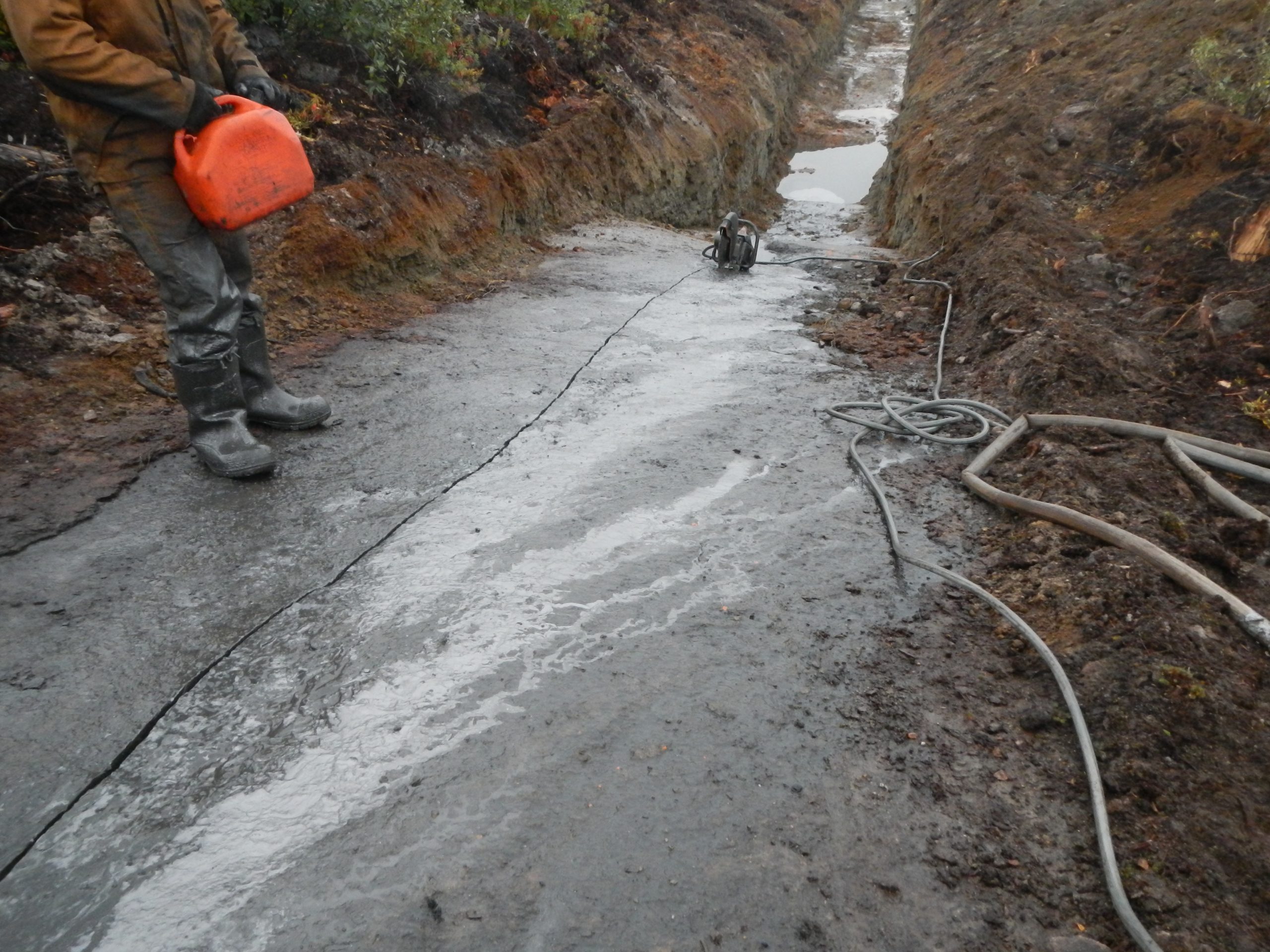
The mineralization at Centrefire is associated with Volcanogenic Massive Sulphide (VMS) copper-gold and Banded Iron Formation (BIF) gold style mineralization with associated intense hydrothermal activity. This style of mineralization typically includes not only high-grade copper but also high values of gold and silver and elevated values of other base metals and pathfinder elements. The highly anomalous gold and silver values associated with higher grade copper, but less zinc and lead anomalism suggest a hotter environment within a hydrothermal feeder zone and potential proximity to high grade massive sulphide lenses. VMS systems are known to form in clusters, greatly increasing the exploration potential of the Project as a whole.
Click Image To View Full Size
Next Steps – Drill Contract
Sample Analysis QA/QC Protocol and Disclosure
All rock samples collected by Cascade Copper and previously released were submitted to ALS Canada Ltd. (ALS) at their Sudbury, ON facility for preparation and analysis. ALS meets all requirements of International Standards ISO/IEC 17025:2005 and ISO 9001:2015 for analytical procedures. Each sample had a small representative reference sample split out for storage while the remaining bulk was photographed, tagged, and bagged for analysis. Samples were analyzed using ALS’s 30g Fire Assay Fusion method (Au-ICP21) with an ICP-AES finish for gold and by a 34-element four acid digest ICP-AES analysis (ME-ICP61) with additional analysis for Ore Grade Elements (ME-OG62) and Ore Grade Cu (Cu-OG62). Results were reported in parts per million (ppm) and converted to percent (%), or grams per tonne (g/t) when applicable.
The technical information in this news release was prepared and approved by Shannon Baird, P.Geo., a Qualified Person as defined in National Instrument 43-101. Mr. Baird is Vice President of Exploration of Cascade Copper Corp. and registered as a Professional Geoscientist with the Professional Geoscientists of Ontario as well as the Engineers and Geoscientists of British Columbia.
*Management cautions that grab samples are selective in nature, and the assay results may not necessarily represent true underlying mineralization.
Cascade Copper is an exploration stage natural resource company engaged in the evaluation, acquisition, and exploration of copper based mineral resource properties. Cascade is focused on copper and gold, porphyry and mesothermal gold deposits in British Columbia and VMS and BIF copper, gold, and silver style deposits in Ontario. Cascade’s priority is to conduct exploration using modern technology that includes 3D inversion modelling of geophysics, LiDAR structural analysis, and AI enhanced predictive modelling from all historic and modern data inputs. Cascade has five projects, including the Copper Plateau Copper-Moly Project, the Centrefire Copper-Gold Project, the Rogers Creek Copper-Gold Project, Fire Mountain Copper-Gold Project, and the Bendor Gold-Tungsten Project.
FOR FURTHER INFORMATION, PLEASE CONTACT:
CASCADE COPPER CORP.
Jeffrey S. Ackert, President and CEO
Vancouver, BC V6E 4A4
Telephone: 1 613 851 7699
E-Mail: info@cascadecopper.com
Neither the CSE nor its Regulation Services Provider (as that term is defined in the policies of the CSE) accepts responsibility for the adequacy or accuracy of this release.
DISCLAIMER & FORWARD-LOOKING STATEMENTS
This news release includes certain “forward-looking statements” which are not comprised of historical facts. Forward-looking statements are based on assumptions and address future events and conditions, and by their very nature involve inherent risks and uncertainties. Although these statements are based on currently available information, Cascade Copper Corp. provides no assurance that actual results will meet management’s expectations. Factors which cause results to differ materially are set out in the Company’s documents filed on SEDAR. Undue reliance should not be placed on “forward looking statements.”
Copyright (c) 2026 TheNewswire - All rights reserved.