Rio Tinto copper output rises as merger talks loom
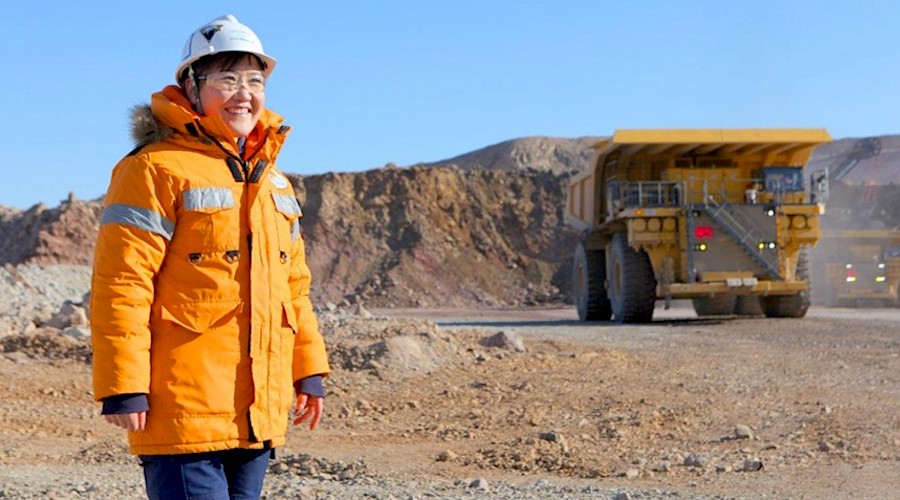
Rio Tinto’s (ASX, NYSE, LON: RIO) copper production rose 5% in the fourth quarter, as a surge from Mongolia’s Oyu Tolgoi underground expansion more than offset weaker output at Chile’s Escondida, the world’s largest copper mine.
Copper accounted for about a quarter of Rio’s half-year profit, still dwarfed by iron ore but central to its long-term growth ambitions and the strategic backdrop to its ongoing takeover talks with Glencore (LON: GLEN), with a Feb. 5 deadline to either make a firm offer or walk away.
“Rio Tinto finished the year with a strong performance in key commodities, including fourth-quarter Pilbara iron ore up more than 4% versus our estimate, a quarterly record, and a 4% beat in copper,” BMO Capital Markets mining analyst Alexander Pearce said in a note. “However, the near-term focus remains on the potential merger with Glencore.”
The UK’s strict takeover rules also meant that Glencore’s name was absent from Rio’s production report, yet the Swiss miner’s influence hangs over the results as negotiations continue on valuation, leadership, structure and asset composition.
Among the options under discussion is a carve-out of coal assets, potentially into a separately listed Australian vehicle, echoing BHP’s (ASX, LON: BHP) South32 demerger a decade ago.
Glencore’s coal operations across NSW, Queensland, central Africa and Latin America would make up about 8% of a combined group’s $45.6 billion in EBITDA, while its trading arm, accounting for roughly 9% of earnings, remains another sensitive element.
Analysts have also floated alternatives, including a pre-deal coal spin-off by Glencore or a narrower bid by Rio focused solely on copper assets.
At Escondida, fourth-quarter production fell 10% from a year earlier due to lower grades and reduced concentrator output, but Oyu Tolgoi delivered a 57% year-on-year jump that underpinned the group’s overall copper gain.
Market timing
Mark Freeman, managing director of the near-century-old Australian Foundation Investment Company (AFIC), has questioned the timing of chasing Glencore’s copper pipeline with prices near record highs, warning that assets often appear most attractive at the top of a mining cycle.
RBC mining analyst Ben Davis struck a similar note, arguing that the strength of the copper market has shifted perceptions around a potential tie-up. “Clearly the mining cycle is alive and well,” he wrote in a note last week.
What was widely dismissed as speculative talk a year ago has, in his view, gathered momentum amid a strong rally and tightening resource supply, with recent share price moves signalling that investors now expect a firm offer.
The analyst added that Glencore’s copper portfolio, particularly its 44% stake in Chile’s Collahuasi mine alongside Anglo American (LON: AAL), represents the crown jewel Rio is seeking.
Iron backbone
Rio’s Pilbara iron ore operations hit a quarterly record, with shipments rising 7% to 91.3 million tonnes, while full-year exports landed at the lower end of guidance as the company recovered from weather disruptions.
The miner also began exporting from Guinea’s Simandou project and expects sales of 5 million to 10 million tonnes in 2026, compared with 323 million to 338 million tonnes forecast from the Pilbara this year. Elsewhere, aluminum output increased 2%, lithium production reached a record driven by Argentina, and titanium volumes fell 6% as Rio prepares to divest the business.
Since chief executive Simon Trott took the helm last year, Rio has moved to refocus operations, cut costs and rein in earlier ambitions in lithium. “Implementation of our stronger, sharper, simpler way of working continues, and is delivering results and creating value,” Trott said.
{{ commodity.name }}
{{ post.title }}
{{ post.date }}


Comments
Da
Gold Silver crash near, copper, iron ore will rise