Rio Tinto’s Simandou mine may come with costly refinery twist
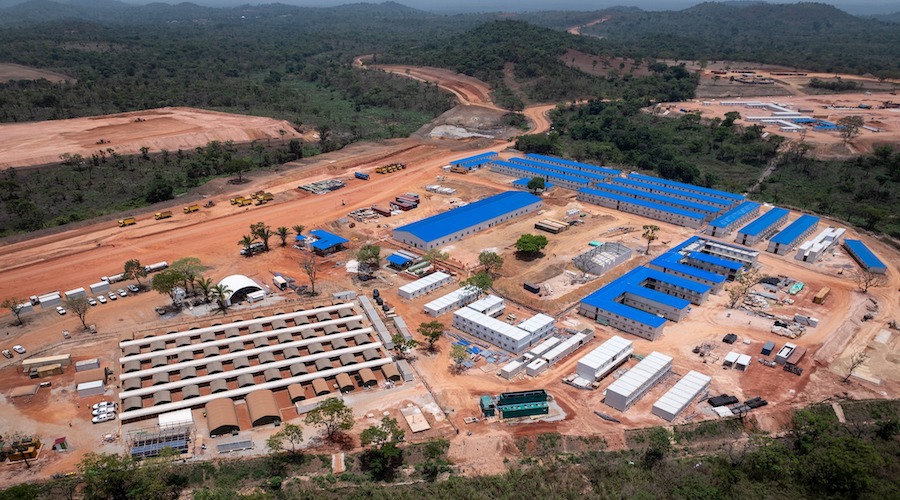
Rio Tinto (ASX: RIO) may be forced to make expensive downstream investments in Guinea as the military-led government hints it aims to have local refining tied to the giant Simandou iron ore project.
Authorities in the West African nation, which seized power in 2021, have demanded that miners present firm plans to build domestic processing facilities. Officials argue that smelters and refineries are essential for Guinea to capture more value from its resources and to drive broader economic development.
The policy echoes a broader resource-nationalism trend across Africa, where governments are pressing companies to process minerals locally. In Guinea, the world’s second-largest bauxite producer, the government has already cancelled agreements with some miners, including Emirates Global Aluminium, over slow progress building alumina refineries.
Guinea’s minister of planning and international cooperation, Ismael Nabe, said the strategy is clear: ore mined in the country must also be processed there. “We want to build a refinery in Guinea. That’s our game plan,” Nabe told the Australian Financial Review. “If Baowu comes to Guinea, they will build a refinery before shipping it out of the country”.
Simandou is divided into four blocks. Winning Consortium Simandou, backed by Chinese firms including steelmaker China Baowu Steel Group, controls blocks 1 and 2. Rio Tinto and Chinese state-owned Chinalco control blocks 3 and 4.
Nabe compared Guinea’s ambitions to Western Australia’s iron ore mining boom decades ago, stressing that mining revenue should also support agriculture, education, and infrastructure.
Despite tighter regulations, Guinea’s bauxite exports rose 36% to a record 99.8 million tonnes in the first half of 2025, fuelled by Chinese demand.
The country exported over 130 million tonnes last year and holds reserves estimated at 7.4 billion tonnes, according to the US Geological Service.
World’s highest grade ore
Simandou is expected to become the world’s largest and highest-grade new iron ore mine, eventually producing 120 million tonnes of premium ore annually. First ore is scheduled for November.
Rio Tinto first secured an exploration license for Simandou in 1997. but political instability has slowed progress. The project has outlasted two coups, four heads of state, and three presidential elections.
Development includes a 600-kilometre rail line linking the Simandou mountains to a new deep-water port on Guinea’s Atlantic coast. Rio Tinto will operate one of the two mines feeding the project.
{{ commodity.name }}
{{ post.title }}
{{ post.date }}

6 Comments
zorse
Im surprised by Guineas strong push for local refining. Its a clear example of resource nationalism, but will it actually benefit the country economically without driving away big miners like Rio Tinto? The high grade Simandou ore is a huge asset, but building infrastructure and refineries is expensive and complex. I wonder if they can balance their mining revenues with successful local processing without choking off investment.zorse
nyt games
Eric Rempel
I agree with Guinea to have the processing there. It will help build wealth for the country and the people that call it home
Mohamed syllah
I will love to work with them
African Child
The Junta is correct on this one. No resources should be shipped from Africa without value addition. The next logical issue is to deal with corruption so that the revenues so generated are deployed equitably among the population.
Gary Westerdale
This article starts off with “ Guinea hints”, then this article says “military led government pushes”. I sure get the feeling that the Rio Tinto executive team has not thought this through.
Justin
Its good kets hop it differes from the agenda of some other juntas the burkinabe and the malians who are bent on destroying ,holding executives hostage is just so long ago