Proactively preventing tailings dam failures
Reducing risks associated with tailings dams is a key area of focus for most mining companies, and for good reason. In addition to the environment, mining companies and the mining industry as a whole pay an enormous cost for any tailings dam failure. While tailings dam incidents world-wide have decreased, any failure produces measurable economic, social, and political consequences for the company, the mining industry, the environment, communities and families. Tailings stewardship programs are a result of efforts to proactively prevent failures.
Tailing stewardship programs aim to ensure a tailings facility is properly designed, constructed, managed and operated to reduce risk. Melanie Davis, a geotechnical engineer at Stantec, says tailings stewardship generally involves inspection of the dam operation, continuous evaluation of potential risk and training for operators to be certain that best practices are daily practices, all while encouraging knowledge transfer at the mine and within the industry.
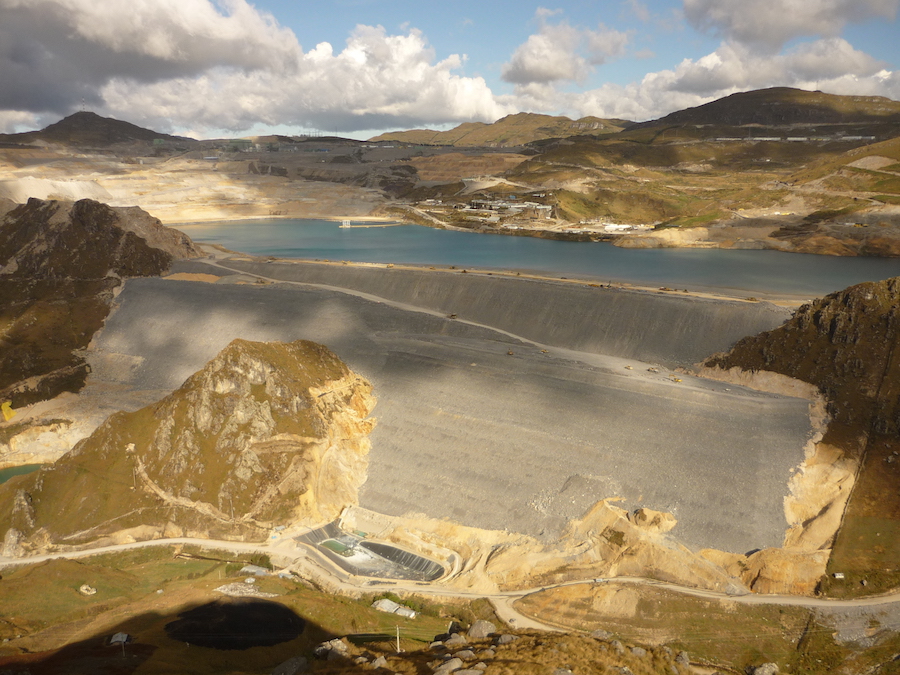
Davis recommends that as part of a tailings stewardship program, a mining company should have the tailings stewardship consultant visit the site at least once a year to do a safety inspection. Regularly communicating with key staff involved in tailings and water management at the mine are also important best practices.
Another crucial component in reducing failures is creating technical review boards composed of experts in tailings design and management. These individuals are commissioned by the mining company when designing a tailings dam or if the mine is raising an existing dam or making a notable change to the facility.
“The technical review board is another check in place to help reduce risks for the mining company and to make sure things aren’t getting missed,” said Davis, noting the boards usually consist of older, highly experienced geotechnical engineers who can pick out potential issues that younger engineers might not notice. After the Mount Polley incident, the B.C. government made independent review boards mandatory for operating mines in the province.
Like other mitigation measures, the cost of hiring a technical review board is “miniscule” compared to a potential dam failure, according to Davis: “Mining companies are thinking about the impact of not having that extra control in place and what it could cost if you have a failure. It is very small cost compared to if you actually had a failure of a dam.”
While most metal mines dispose of tailings material as a slurry, another way to reduce risk of tailings dam failure is to minimize the water content. The denser the material, the less it flows, and the more stable the dam. Filtering and dry stacking are alternative methods of tailings disposal that involve dewatering the slurry. The process is more expensive than traditional slurry production but in some regions the benefits can outweigh the costs.
Davis gave the example of mines in dry climates where water is expensive.
“That helps make it more financially feasible to filter or dry stack the tailings. There are typically high upfront costs, but alternative tailing disposal methods can provide a measurable benefit on the tail end when the mine moves toward closure,” she said.
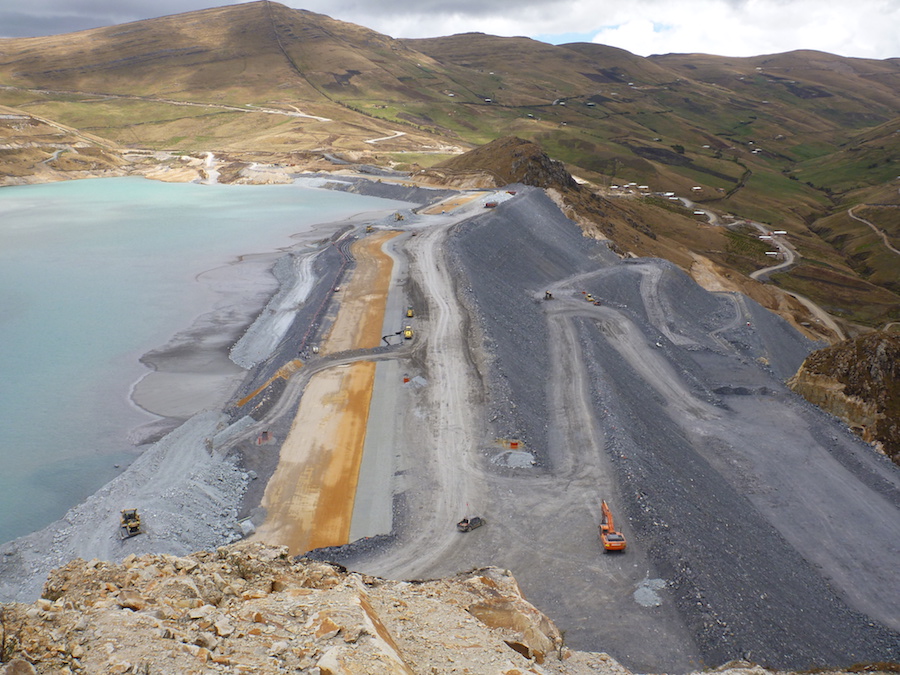
While dry tailings on average cost more than slurry tailings to produce, equipment suppliers are devising ways to lower the cost, through for example better and longer-lasting filters.
“As companies continue to work on lowering costs, eventually they’ll get to a point where filtering the tailings material will be cost effective. If you’ve got that combined with reducing your liability, filtering becomes the smart choice to make,” said Davis.
Even if a company doesn’t go to dry tailings, reducing water use is always a good practice, because any time there’s water in tailings, there’s potential liability. Reducing the water content reduces a mining company’s potential liability. Examples of how to do this include recycling water back to the mill, or closing portions of the tailings storage facility while still allowing deposition in other sections. This approach can have an added benefit of minimizing the need for re-grading and drainage fixes that are often part of the tailing facility closure plan.
“Sometimes a small change can have a big impact on water management,” said Davis.
Melanie Davis will present on mine closure at the Tailings and Mine Waste conference at 4:05 p.m. on Monday, November 6. Tailings and Mine Waste runs from November 5-8, 2017 in Banff, Canada.

Melanie has over 20 years of experience in managing and providing geotechnical and geo-environmental engineering for mining design, reclamation, and permitting projects. Her areas of expertise include conventional and alternative (evapotranspiration) cover designs and liner system design for waste and fluid containment facilities, tailings dam design, site-wide water balance modeling, slope stability analyses, seepage analyses, settlement/consolidation analyses, hydrologic analyses, unsaturated flow modeling, and other general aspects of geotechnical and geo-environmental engineering.
{{ commodity.name }}
{{ post.title }}
{{ post.date }}

Comments