Metso Megaliner™ mill lining concept helps maximize mill productivity
Metso Megaliner™ mill lining concept helps maximize mill productivity
Always top of mind for mine site managers is how to optimize production, while achieving the dual aims of maintaining safety and keeping costs down.
Periodically shutting down a mill for scheduled maintenance is a necessity, but the cost of lost production during the shutdown can be as high as €150,000 ($169,000) per hour, which can significantly impact a company’s bottom line as the downtime hours add up.
With grinding mills becoming increasingly larger in size with a corresponding increase in production capacity, the cost of lost production due to downtime is also increasing. The larger the mill, the more critical the planning phase for the mill maintenance shutdown to minimize lost production time. It’s not as easy as working with smaller mills where a redundant mill can sometimes offset the lost production from the mill being serviced.
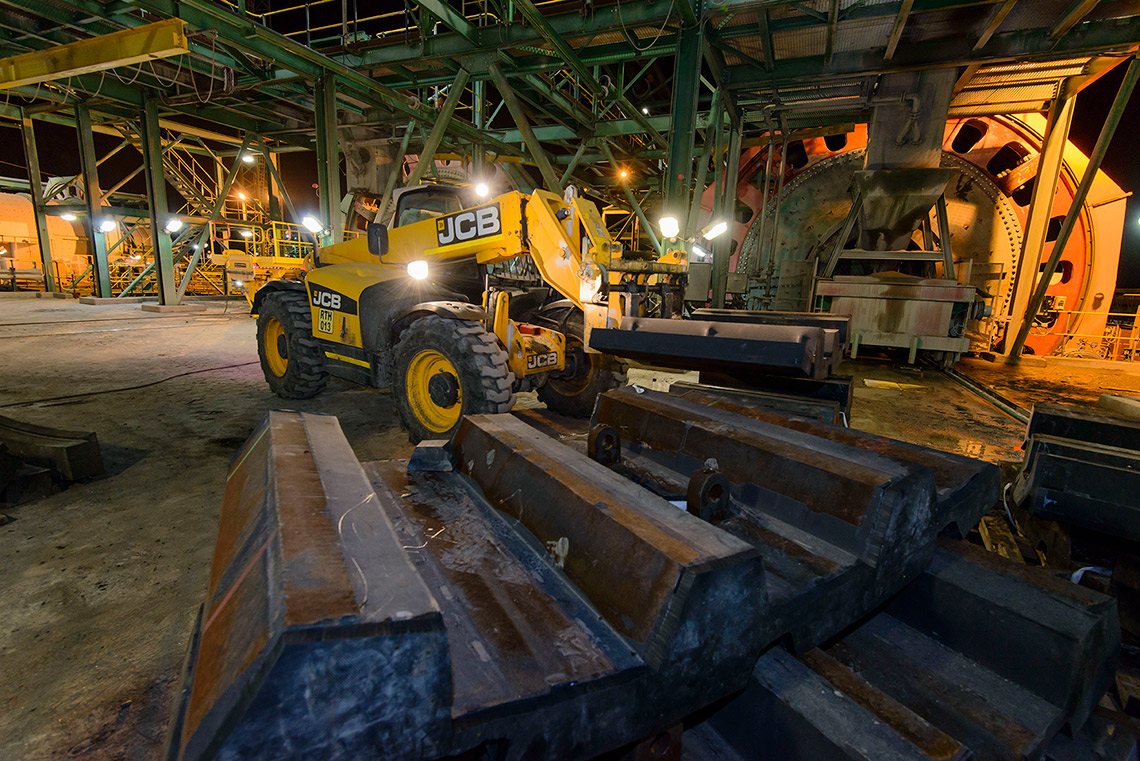
Metso, an international supplier of mill liners to mining companies around the world, has made a significant difference with its patented Megaliner™ mill lining, enabling managers to cut costs and simultaneously improve worker safety. The concept is suited for AG, SAG and ball mills.
Reduced shutdown time with the Megaliner™ mill lining concept
For mines looking to cut production downtime while maximizing mill uptime and boosting performance, the Megaliner can have a major impact.
At some sites, the new concept has reduced installation times from 30 to 21 hours. That can add up to over €1.3 million in recovered costs.
The significant reduction in the installation time is possible thanks to the innovative lining concept. Each shell or head liner can cover a large area because of the lighter weight of the lining material. Fewer attachment components combined with a unique attachment system provides a safer working environment for the installation crew.
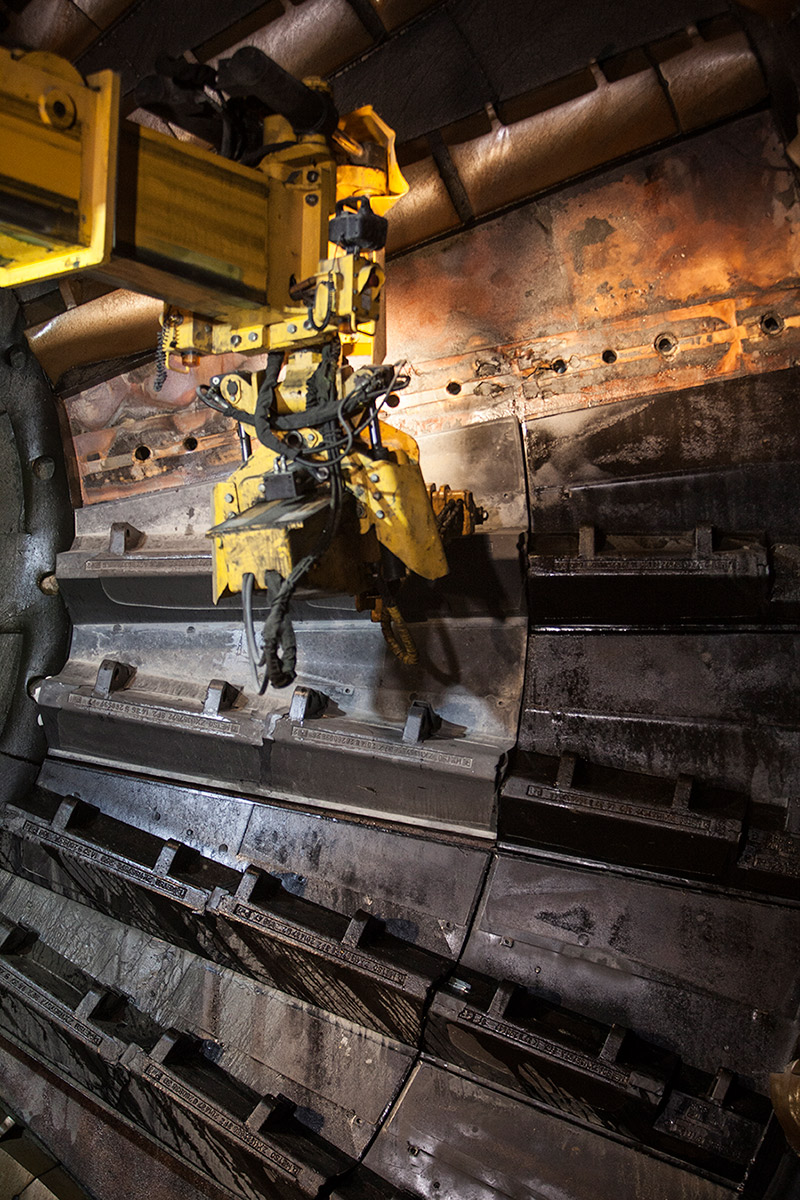
Metso also follows and monitors the performance and energy consumption of the mill liners, ensuring every aspect is balanced. Following the wear pattern makes it possible to tailor and optimize the mill lining according to clients’ specific needs and make sure the liners will last as stated by the agreed maintenance schedule.
“If you change from a traditional liner to a Megaliner you will save time. Additionally, you’ll save even more time when you change a worn Megaliner to a new one. The total time savings can be as much as 40%. With Metso’s experienced installation team, every aspect of the shutdown planning and work phases can be optimized,” said Malte Åkerblom, Manager, Mill Lining Systems at Metso.
Preparation and logistic efficiency are also key for the installation team to maintaining productivity in situations where every hour of lost productivity can amount to huge losses.
Large numbers of liners are often needed, which may not be efficient to transport in and out of the mill. Therefore, size matters when it comes to both transport and installation.
The size of the liner is often limited by weight, because liners can weigh a lot. With Megaliner, the weight is half of what the traditional steel liner is, so there’s less need for concerns about liner size. Most times, a Megaliner could be three times or even four times as big as a traditional liner, with several components bundled together into just one. The design can also be optimized to meet the weight capacity of the site’s liner handler.
Ensuring worker safety
Megaliner mill linings are unique in terms of safety because the installation crew doesn’t need to be inside the mill, close to the drop zone. The bolts attach to the outside of the mill – a detail which in itself is a significant safety benefit.
The Megaliner mill linings also come with a patented camera system used for installation, improving safety and facilitating installations further.
When changing conventional mill linings, a liner handler operator and a person with a bolt is needed inside the mill, as well as one outside with a nut. A Megaliner installation requires only the liner operator handler inside the mill and one person attaching the bolt from the outside of the mill. In both cases, transportation of liners in and out of the mill and outside of the mill requires additional people to speed up the reline. A normal crew size per shift ranges from 6-10 persons.
A Megaliner shell can be installed faster with reduced risks. Removal of traditional metallic liners can sometimes be difficult and dangerous, but with the Megaliner’s unique attachment system removal is easy.
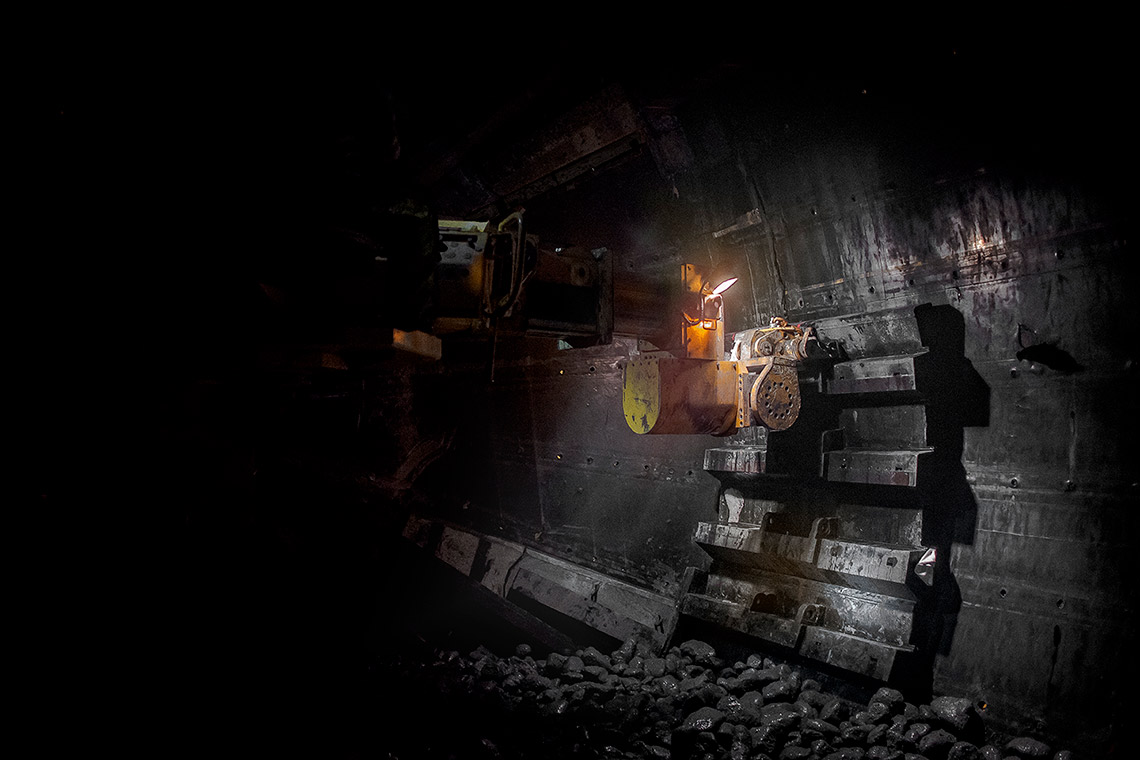
After bolts are removed, there is no need to go inside and remove anything else as the liner normally falls down as the bolt is detached – another key safety feature.
“Working fast and safe used to be contradictory things, but they may not be anymore,” said Kevin Graney, Director, Field Services and Repairs at Metso.
Experience makes the difference
Along with the innovative Megaliner concept, one thing to always consider is the team who will be handling the installation of the liners. The benefits of using Megaliner become even more apparent when a skilled crew is involved with the regular scheduled relining events. Within a long-term contract for mill lining such as one of Metso’s Life Cycle Services (LCS) agreements, the teams handling the mill relining can often use tools to further improve shutdown times.
For example, a SMED analysis, which looks at all the tasks performed during a shutdown to identify improvements as well as delays, can also help drive further shutdown time improvements.
Metso’s Mill relining software can add a further layer of efficiency and lead to additional hours of production saved as well as help reduce overall maintenance costs.
“Combining the liners and various shutdown tools with the right people is what can help make the difference and bring the most benefit to the customer,” added Graney.

{{ commodity.name }}
{{ post.title }}
{{ post.date }}

Comments