Driving change in the Mining Truck Industry
Up until the dawn of the 20th century one very simple tool formed the basis of all earthmoving equipment – the humble hand shovel. The hand shovel was the principle method by which soil or other materials was side-cast or elevated, to then be transported by wheelbarrow or horse-drawn cart and transferred to a sled, barge or wagon.
Today the mining- and earthmoving industries have evolved to the point where the focus has shifted from the mere effective transport of soil and minerals to the development of eco-friendly machines that have the least possible 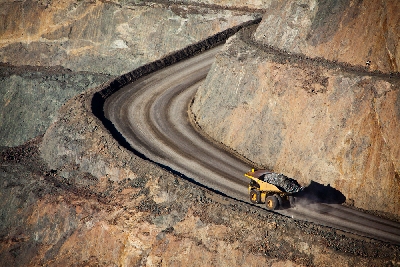 impact on the environment, while simultaneously optimising work efficiency and systems by drawing from advanced manual and computerised techniques.
Lessening the creation of waste
The effort to reduce the mining industry’s substantial impact on the environment is a holistic one that starts quite a way before the resultant minerals are loaded onto the mining trucks. In fact, it starts by creating the least amount of waste possible at the mining site, in order to ensure that more mining material is moved per ton for the energy expended to remove it. The main aim is to tailor harvesting technologies that results in the absolute minimum degradation and waste, so only useful material is eventually hauled from the site.
A good example is the technology used in coal mining to pinpoint underground coal deposits with laser accuracy, allowing technicians to remove pure coal, as opposed to a combination of coal, rocks, dirt and gravel. This reduction of excess material not only impacts on the efficiency of the hauling, it also reduces the need for crushing and cleaning at a secondary site.
Reduce, reuse & recycle
Remanufacturing is another way in which industrial automotive companies are striving to promote positive, sustainable change. Caterpillar Reman, for instance, has a project dedicated to reclaiming materials that would have ended up in a landfill.
It works like this – once a CAT product or part reaches the end of its useful lifespan it is returned to the company’s factories to be disassembled to its smallest parts. It then goes through a cleaning and inspection process that determines whether it is salvageable and is finally converted into production-ready materials that become part of new CAT machines.
Caterpillar Remanufacturing Overview
This revolutionary salvage technique also allows the company to offer same-as-new components and parts to its consumers at the fraction of the cost of a brand new part, while simultaneously reducing waste and the need for raw materials.
The road forward
The road to a sustainable future is most definitely not an easy one.
Chief Engineer; Ben Gold from Action Trucks & Machinery stated
“Tier 4 Interim/Stage IIIB emissions requirements continue to impact on earthmoving machine development and manufacturers of ADTs, bulldozers, excavators, graders and soil compactors have had to work hard to keep up with demands for innovative emission-compliant engine and cooling technology. “
As legislation develops, so too will the approach of these automotive giants.
We have come a long way since the days of the humble hand shovel and it seems that with the combined efforts of international lawmakers and automotive mining enterprise leaders we will be able to face developmental challenges head-on to create a more sustainable future and ensure the longevity of the earthmoving industry.
More News
{{ commodity.name }}
{{ post.title }}
{{ post.date }}

Comments