Rio Tinto, Glencore scrap mining mega-merger
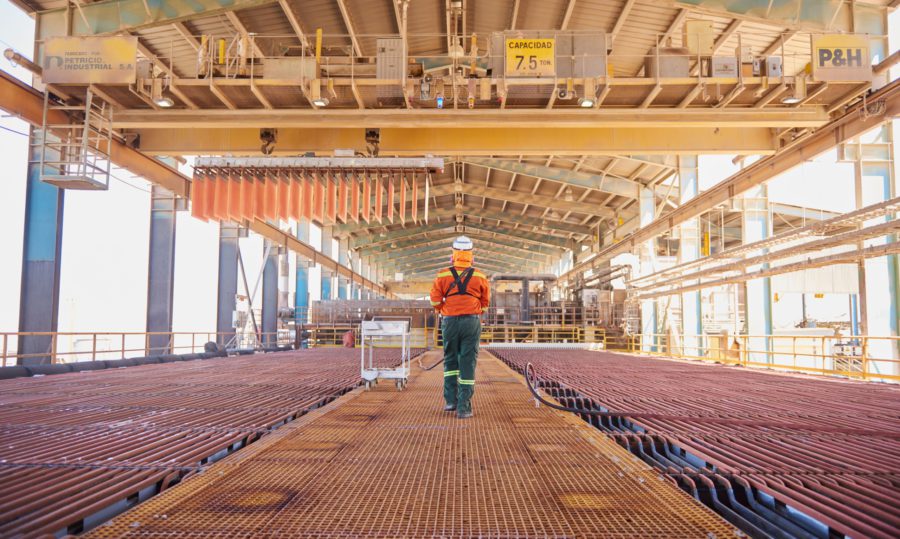
Rio Tinto (ASX; LON; NYSE: RIO) and Glencore (LON: GLEN) have scrapped plans for a mega-merger that would have created the world’s largest mining company with a combined value of $232 billion as of today’s market capitalizations ($260 when the talks were first announced).
With a deadline for Rio to make a firm bid looming, year-long talks fell apart in less than 24 hours. Rio announced on Thursday it was no longer considering a merger or other business combination with Glencore after determining it could not reach an agreement that would deliver sufficient value to its shareholders.
The decision followed weeks of discussions in which the companies failed to agree on key deal terms, including governance and ownership of the combined group.
Under the proposed structure, Rio would have retained both the chair and chief executive roles and secured pro forma control of the merged entity. Glencore said in a separate statement that those conditions materially undervalued its copper business and its overall contribution, making the deal unattractive for its shareholders.
The Swiss miner and commodities trader was also seeking a share-exchange ratio that would have given its investors about 40% of the combined company, Bloomberg reported.
Analysts at Jefferies said that although large-scale mining mergers are difficult to execute given cultural, regulatory and geopolitical hurdles, the strategic rationale for a Rio–Glencore tie-up was evident. They added that Glencore’s demand for a substantial ownership position and influence over the merged entity proved to be a major obstacle.
“Price and governance disagreements were at the heart of the breakdown,” analysts at Jefferies wrote. “While a future re-engagement is possible, our base case is that Rio will focus on its standalone strategy.”
The market reacted swiftly. Glencore shares fell as much as 11% in London, closing 7% lower at 475.25p each, while Rio Tinto declined about 2.5%, closing 1.7% lower at 6,884p.
Significant challenge
“A deal of this size, and with the egos involved, was always going to be a significant challenge,” Ben Davis, an analyst at RBC, said in a note. “We are surprised it was revisited so quickly, clearly something had brought the two back together, and it is unclear what has driven them apart again.”
Representatives for Rio Tinto and Glencore both declined to comment.
Had the deal gone ahead, the combined group would have emerged as the world’s largest copper producer, accounting for about 7% of global output, alongside dominant positions in iron ore, coal and other key commodities.
Rio, which generates most of its profit from iron ore, has been working to strengthen its copper portfolio through projects such as the Resolution Mine in Arizona.
Glencore, the world’s sixth-biggest copper producer, has also boosted its exposure to the metal. In December, it announced a strategic shift to focus more of its resources on the red metal, aiming to become the largest copper miner globally.
Third time not the charm
The collapse marks the third failed attempt at a tie-up between the two miners. The idea was first floated before the global financial crisis of 2008, and then revived in 2014 and in late 2024. Those talks collapsed over valuation concerns, Rio’s reluctance to pay a significant premium and sharp differences in corporate culture and governance. During those discussions, Glencore had pushed for its chief executive, Gary Nagle, to lead the combined company.
Subsequent leadership changes did little to reset the dynamic. Rio is now led by chief executive Simon Trott and chaired by Dominic Barton, seen as more open to dealmaking, while Nagle has repeatedly described a Rio-Glencore merger as the “most obvious” deal in mining.
While people familiar with the discussions say both sides had recently shown greater willingness to compromise, the latest attempt ultimately fell short, ending what many investors had dubbed the merger of the decade.
More News
{{ commodity.name }}
{{ post.title }}
{{ post.date }}
Comments
Tiego
As a Glencore employee I thought Rio Tinto will come and give us better salaries 😭Sad news