Rio Tinto doubles down on copper to defend growth strategy
Rio Tinto (ASX, LON: RIO) leaned on a doubling of copper profit to nearly $7.4 billion last year to defend its growth strategy after walking away from a potential deal to buy Glencore (LON: GLEN) that would have created the world’s largest miner.
Adjusted earnings before interest, tax, depreciation and amortization rose 9% to $25.4 billion in the year to December, driven by an 11% increase in copper production, record iron ore volumes and a 29% jump in aluminium and lithium earnings. Underlying earnings were $10.87 billion, in line with market expectations.
Net profit fell 14% to $10 billion, the lowest in five years, as higher depreciation, tax and financing costs offset stronger operating performance.
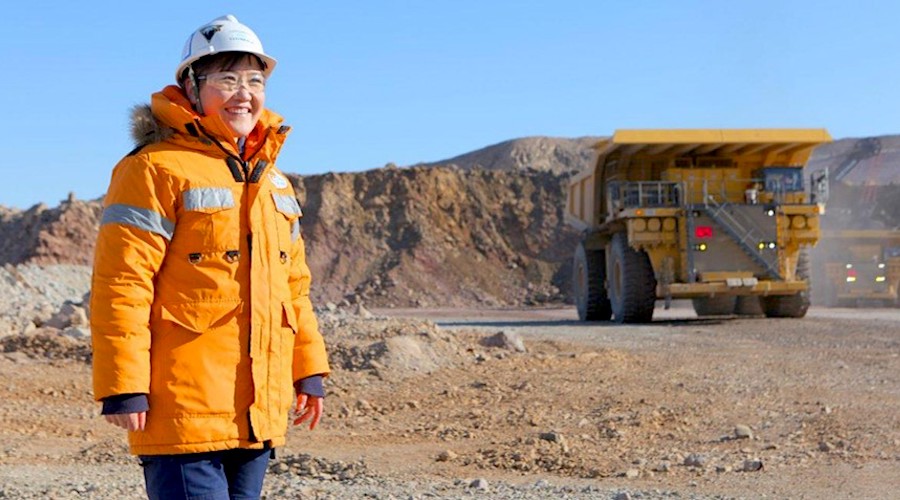
Copper profits climbed after Rio expanded the Oyu Tolgoi mine in Mongolia and benefited from higher prices. Speaking publicly for the first time since talks with Glencore ended, chief executive Simon Trott said the company is positioning copper at the centre of its growth plans, with 85% of its exploration budget now directed to the metal.
“We’re growing and we’re growing now,” Trott said, adding that the next step is to turn its pipeline into value-accretive projects. He acknowledged Rio must do more to strengthen its medium-term copper pipeline at a time when investors are focused on metals critical to the energy transition.
All in on copper
Trott said Rio has clear visibility to extend its growth profile into the next decade, anchored by copper. Since taking the helm last year, he has refocused operations, cut costs and pursued smaller transactions, including the acquisition of a Brazilian aluminium producer with Chinese partners and an increased stake in Canadian developer Nemaska Lithium to expand the company’s lithium business in Quebec.
Iron ore remains Rio’s most profitable division, but lower prices and flat shipments pushed underlying earnings from the segment down 11%. The company continues to invest in sustaining output in Western Australia, with four of five replacement mines ramping up or under construction.
Over the past year, Rio also began exports from Guinea’s Simandou project and expects sales of 5 million to 10 million tonnes in 2026, compared with forecast Pilbara shipments of 323 million to 338 million tonnes this year.
Shares closed up 2% in Sydney at A$169 and were down 3.5% in London in early afternoon trade following the results, though they have gained 42% over the past 12 months.
More News
{{ commodity.name }}
{{ post.title }}
{{ post.date }}
Comments