US bets billions on unproven rare earth players: Report
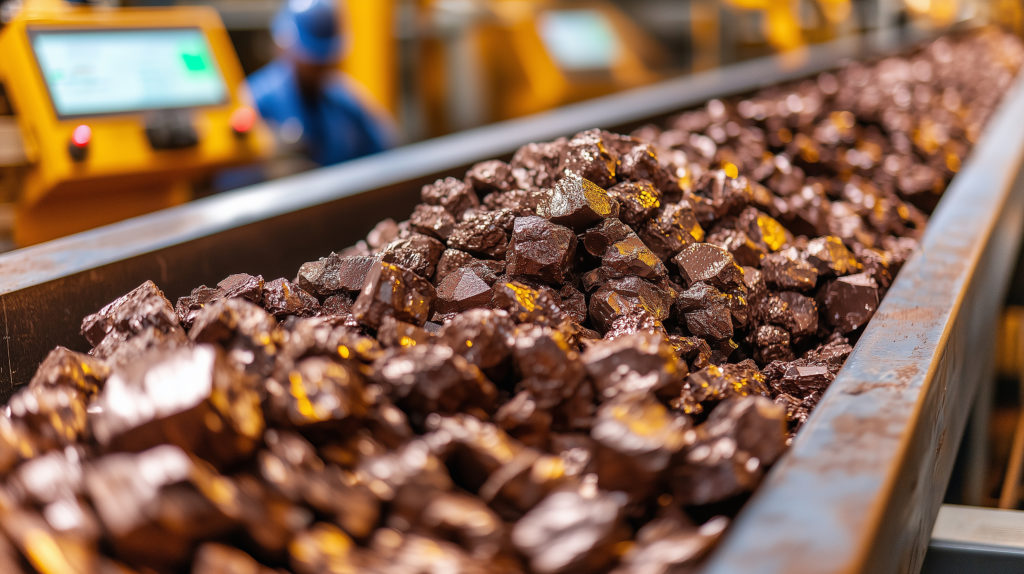
Companies with financial ties to Trump administration figures are securing major funding as Washington commits billions to unproven groups in a push to build domestic supplies of critical minerals.
One such recipient, USA Rare Earth, is set to receive up to $1.6 billion despite not yet achieving commercial mining or magnet production, underscoring the administration’s willingness to back early-stage projects to counter China’s dominance in the sector.
The company is developing a mine-to-magnet value chain backstopped by a large rare earth deposit in Texas known as Round Top, which it aims to bring into production in late 2028.
“It’s a matter of taking greater risks, which I think this administration is willing to do,” Heidi Crebo-Rediker of the Council on Foreign Relations told the Financial Times. “Rather than seeing whether the government loses money on each investment, we should look at whether the money is helping grow resilience.”
The strategy reflects a venture capital-style approach in which the government backs multiple companies in hopes a few succeed, but it has raised concerns about political connections, execution risks and whether such bets can deliver a viable domestic rare earth industry long overshadowed by China.
A senior House Democrat warned the investment could give the government “highly concerning” leverage while benefiting Commerce Secretary Howard Lutnick’s family-run investment firm, Cantor Fitzgerald.
In a 10-page letter, Representative Zoe Lofgren said the proposed deal would allow the Commerce Department to retain an equity stake even if it declines to invest, while leaving USA Rare Earth reliant on a $1.5 billion capital raise led by Cantor, which Lutnick previously led and is now run by his sons.
“This deal creates a massive personal conflict by granting the Secretary of Commerce overwhelming leverage to influence a private company while promoting his sons’ interests,” Lofgren wrote.
Lingering doubts
Industry experts warn that Round Top’s relatively low grade and complex mix of minerals could make extraction costly and technically challenging, raising questions about commercial viability. USA Rare Earth plans to use a leaching process suited to lower-grade deposits and is building out processing capabilities through its UK-based subsidiary, Less Common Metals.
Similar government-backed ventures face financial and operational hurdles, highlighting broader uncertainty in the sector.
American Resources Corporation (NASDAQ: AREC), the parent of ReElement Technologies, warned in November that there was “substantial doubt” about its ability to continue as a going concern, even as its rare earths unit secured federal backing. The group is also fighting a lawsuit over $45 million in financing tied to a West Virginia authority, allegations it denies, adding legal risk to its funding challenges.
Other projects highlight both political scrutiny and reliance on state support. Vulcan Elements, which partnered with ReElement, counts backing from Donald Trump Jr’s venture firm and the Pentagon, while MP Materials only swung to profit after securing a government-backed price floor for rare earths, underscoring how difficult it remains for US producers to compete without sustained policy support.
Even so, proponents argue the US has little choice but to invest aggressively given limited domestic options and the strategic importance of rare earths for defence, electric vehicles and advanced manufacturing.
More News
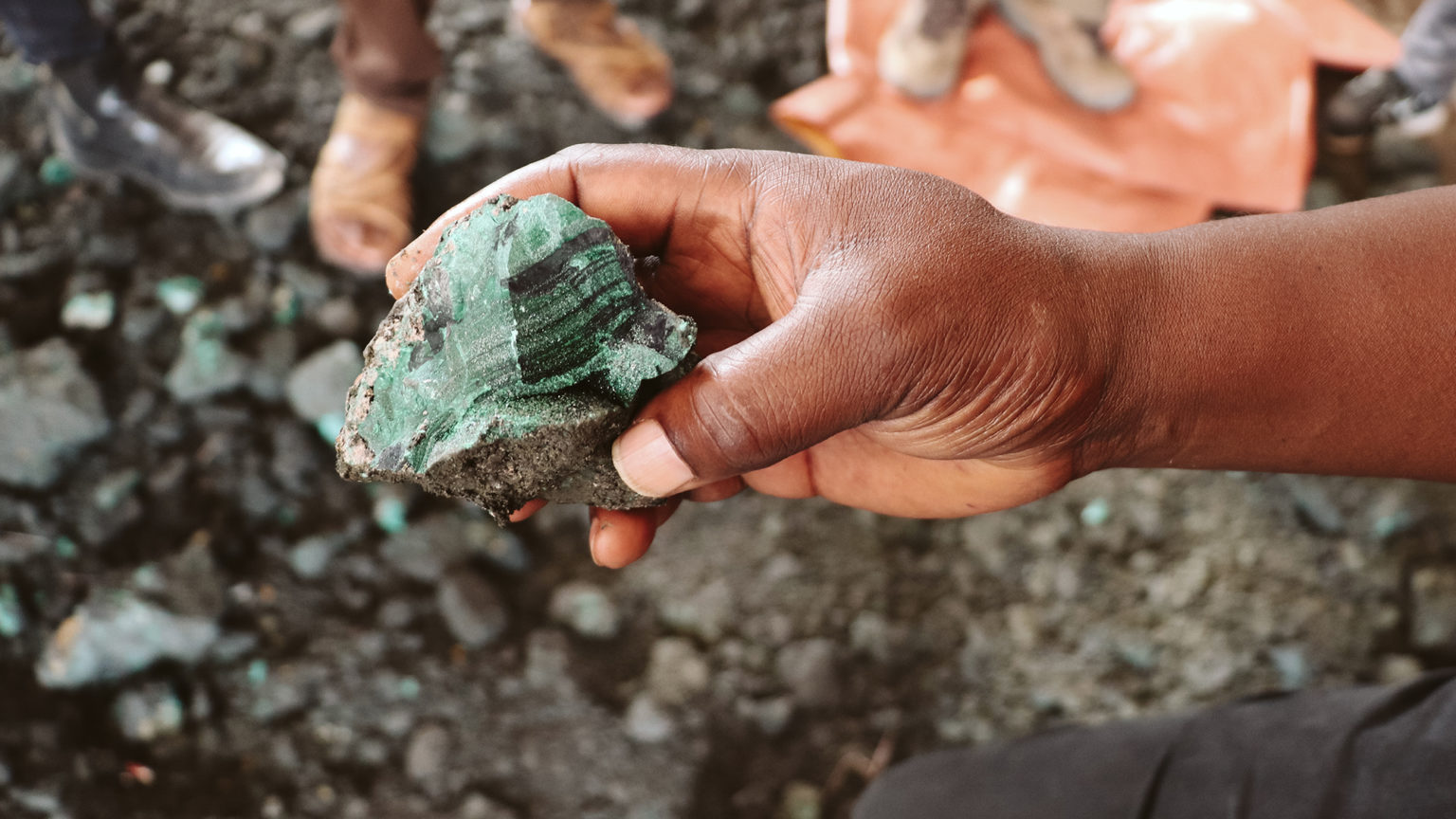
Congo withdraws unused cobalt export quotas
All export quotas allocated for January to June that remain unused by June 30 will be forfeited.
June 29, 2026 | 10:42 am
{{ commodity.name }}
{{ post.title }}
{{ post.date }}
Comments