Barrick signals deal push amid strategic reset
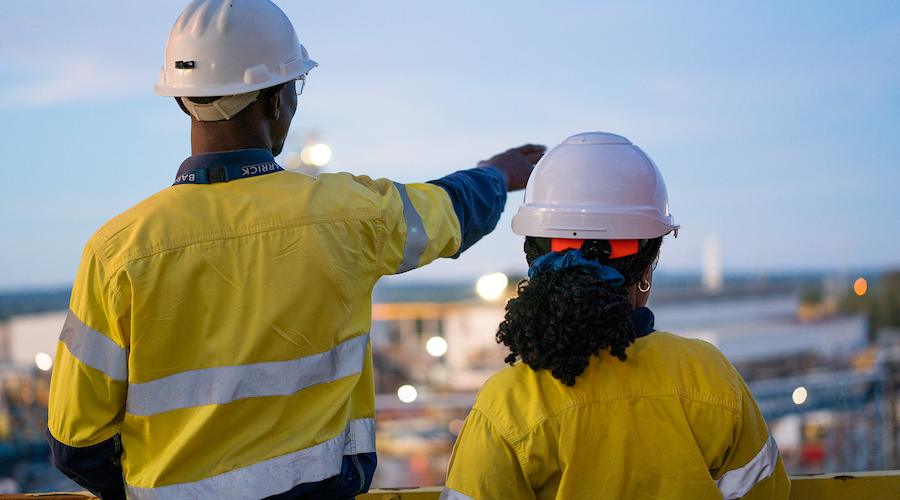
Barrick Mining (TSX: ABX) (NYSE: B) is pivoting back to acquisitions while retreating from higher-risk regions, reversing a decade-long strategy that emphasized expansion across Africa and Asia.
Chairman John Thornton outlined the shift in a letter to shareholders Wednesday, marking his first public comments since the company replaced Mark Bristow as chief executive officer in September and unveiled plans to spin off key North American assets.
Thornton said the move reflects a belief that Barrick’s shares remain undervalued and that a more focused portfolio could unlock stronger investor interest.
The Toronto-based miner, the world’s third-largest gold producer, is preparing to list a new vehicle holding its Nevada joint venture, the Fourmile discovery and the Pueblo Viejo gold mine in Dominican Republic, with completion targeted by the end of 2026.
The restructuring follows operational setbacks and a broader management shakeup, including the appointment of Mark Hill as CEO earlier this year after Mark Bristow’s abrupt departure.
“For many years, we have viewed our shares as undervalued,” Thornton said. “North American Barrick will be the most attractive pure gold company in the world, located in the most attractive jurisdiction, with the strongest proven growth pipeline.”
Falling output
The strategic pivot comes after a prolonged production decline, with output falling 17% in 2025 to 3.26 million ounces, the lowest level in at least 25 years. Barrick’s challenges have included geopolitical risks, highlighted by the seizure of a key mine in Mali by the country’s military government, as well as rising costs and project delays in other jurisdictions.
A renewed focus on mergers and acquisitions would mark Barrick’s first major deal since its 2019 merger with Randgold Resources, which brought Bristow to lead the combined company.
The miner also explored a potential acquisition of First Quantum Minerals in 2023 and in 2024, though talks did not result in a transaction. Thornton said future deals would prioritize “tier one” assets — long-life, low-cost operations that can anchor the company’s production profile.
The shift also reflects a pullback from more challenging regions. Barrick recently warned of rising costs at its Reko Diq copper project in Pakistan, and is scaling back development amid escalating security risks, reversing earlier ambitions to expand its copper exposure there.
The repositioning underscores a broader recalibration among major miners, many of which are reassessing geopolitical exposure and capital allocation after years of pursuing growth in higher-risk jurisdictions.
More News
{{ commodity.name }}
{{ post.title }}
{{ post.date }}
Comments