Glencore restarts Cerrejón after rail blockade
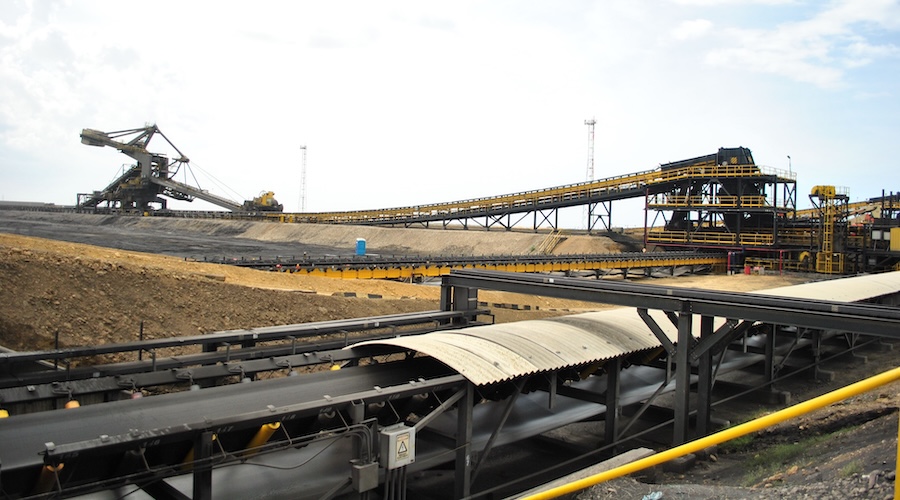
Glencore’s (LON: GLEN) Cerrejón coal mine in Colombia has resumed operations after a 10-day railway blockade forced one of the world’s largest open-pit coal mines to suspend activity and declare force majeure.
The company said Wednesday it began restarting operations after lifting the force majeure declaration at 6 p.m. on June 2, once essential supply levels had been restored. The blockade had prevented deliveries needed to maintain production and export activities.
“We resumed operational activities with a continued commitment to building a sustainable future for our employees, local communities, La Guajira, and Colombia,” the company said. “Safety remains our core value, and every stage of the reactivation process is being conducted under the necessary conditions to protect people, the environment, and our operations.”
The restart highlights the growing operational challenges facing Colombia’s mining sector, where community protests, infrastructure disruptions and policy uncertainty continue to weigh on investment and production decisions. Cerrejón is one of the country’s most important export operations and a major supplier to the Atlantic thermal coal market.
The latest shutdown followed a series of disruptions that have increasingly affected the operation.
Cerrejón has faced nearly 80 blockades so far this year, most linked to protests against government authorities over the lack of basic services in nearby communities rather than disputes with the company itself.
The miner recorded 333 blockades in 2024, equivalent to 135 days of interrupted operations. In 2023, it reported 201 blockades and nine terrorist attacks that disrupted coal transport for 95 days.
The company is also navigating uncertainty surrounding a temporary 1% export tax and weaker coal markets. Cerrejón produced 16.8 million tonnes of coal in 2024, down 12% from the previous year, and has announced plans to reduce annual output by between 5 million and 10 million tonnes in response to oversupply in the Atlantic thermal coal market.
Election rally meets reality
The restart comes as investors increasingly bet on a political shift in Colombia following Sunday’s presidential election.
The peso recorded its strongest daily gain in four years while bonds and stocks rallied after right-wing outsider Abelardo de la Espriella unexpectedly won the first round of voting and emerged as the favourite ahead of a June 21 runoff against leftist Ivan Cepeda.
Colombia’s 2054 dollar bonds rose more than four cents on the dollar, the peso gained 3.6% against the US dollar and the benchmark stock index climbed as much as 7.1%. State-owned oil producer Ecopetrol surged nearly 10% intraday on expectations a new administration could support resource development and reverse some of President Gustavo Petro’s energy policies.
De la Espriella, who captured 43.7% of the vote, has pledged to cut taxes, restrain public spending and support business investment. Cepeda, an ally of Petro who won 40.9%, has advocated expanded social spending and opposed measures such as fracking and new oil exploration.
For miners, however, election optimism may not immediately resolve challenges on the ground. Cerrejón’s latest shutdown illustrates how community disputes, infrastructure disruptions and regulatory uncertainty continue to threaten production in one of Latin America’s most important coal-producing regions.
The company and local communities remain far apart on many of the issues behind the blockade. Even if the dispute is resolved, recurring interruptions could continue to weigh on output, exports and investment decisions across Colombia’s mining industry.

{{ commodity.name }}
{{ post.title }}
{{ post.date }}
Comments