BHP to shutter Australia coal mine, lay off 750 workers
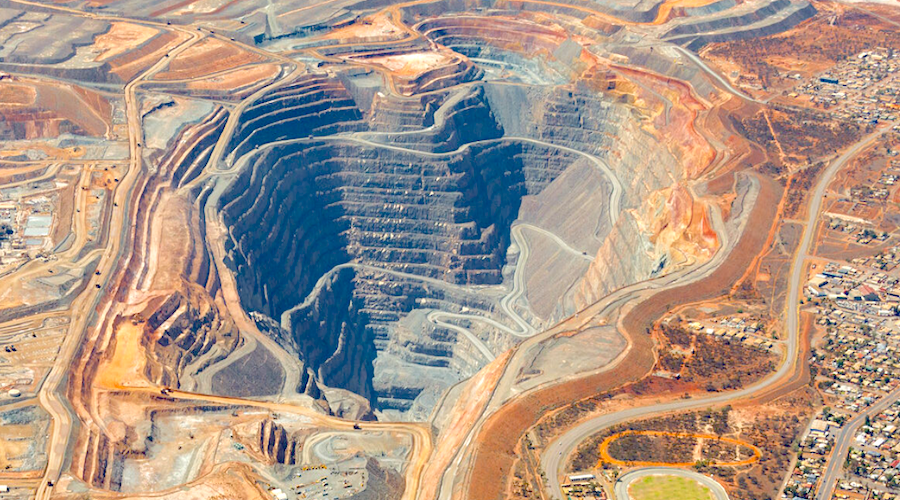
BHP (ASX, NYSE LSE: BHP) plans to close its Saraji South joint venture coal mine in Australia and lay off about 750 workers amid weak coal prices and high royalties in Queensland, media including the Australian Broadcasting Corporation (ABC) and The Wall Street Journal reported.
Saraji is among five steelmaking coal mines operated in Queensland by BMA, a 50-50 joint venture between BHP and Mitsubishi Development Industry, Australia’s largest exporter of steelmaking coal. Saraji, located near the central Queensland town of Dysart, is to be shuttered in November.
The state government’s coal tax has seen BMA pay A$0.67 for every dollar in royalties, or about eight times what the company made in profit, which is unsustainable, BMA President Adam Lancey said in a video posted Wednesday on The Australian’s website.
BHP also plans to review its FutureFit mining training academy in Mackay, Queensland. The state’s deputy premier Jarrod Bleijie criticized that decision as “un-Australian,” saying the company should continue investing in young people who aspire to work in the mining sector, ABC News reported.
The closure and layoffs mark the second significant set of downsizings by BHP in Australia in almost a year. In October, the company temporarily suspended its nickel operations in Western Australia due to low prices and oversupply.
BHP shares fell 1.1% to A$40.31 apiece on Wednesday in Sydney, for a market capitalization of A$204.73 billion. The stock has traded in a 12-month range of A$33.25 to A$46.23.
Spokespeople for BHP didn’t immediately respond to a message from The Northern Miner Wednesday seeking comment on the mine closing.
Coal down 40%
Steelmaking coal traded for $101.75 per ton on Wednesday, according to Trading Economics. Coal has lost about 40% of its value since 2023, when the price averaged $400 per ton, amid weak demand in Europe and parts of Asia.
The Saraji Complex produced about 8.1 million metric tons of coal over the 12-month period until June, though Saraji South represents only a small part of the JV’s total output. Its closing might therefore have minimal impact on BMA’s fiscal 2026 or medium-term production, the WSJ said.
Coal prices have also proved challenging for other producers in Queensland. Bowen Coking Coal said in July it would put its Burton Mine Complex into administration after its request to defer royalties to Queensland was rejected.
‘Unviable’ coal production
Janette Hewson, CEO of industry group the Queensland Resources Council, has urged the state to change its royalty rates, which, combined with low prices are making coal production “unviable.”
However, Bleijie said his party had pledged before it was elected last year to not change the royalty structure, the WSJ reported.
{{ commodity.name }}
{{ post.title }}
{{ post.date }}
Comments
Graham Pryor
Coal is NSW biggest export earner, and their coal royalties are a maximum of 10.8 percent.
Queensland coal royalties are on a sliding scale: for the first $100 per tonne of the coal price they are 7%, and a 40% rate applies for the portion over $300 per tonne. This is the world’s highest royalty regime.
In addition, those royalties are levied on sales revenue and not profits – it means that companies can be losing money but will still have contributed tens of millions of dollars in royalty payments to Queensland.
Queensland is at risk of closing more coal mines in that state and that will produce job losses which has a widespread effect on the regional community.
Mining drives the Australian economy, contributing more to national revenue than any other industry.
The mining industry pays 30% of all company tax each year.
Mining employs thousands of people in highly paid jobs, and every one of them pays income tax on their high earnings. For every person employed in a coal mine, there are between 3 and 4 times as many jobs in service industries.
State governments reap revenue from mining royalties and rail transport charges and port fees. In the case of the Queensland government’s excessively high coal royalty regime, the state government’s revenue stream will dry up completely when the mines are closed.