Chile lithium dispute tied to Cold War-era nukes
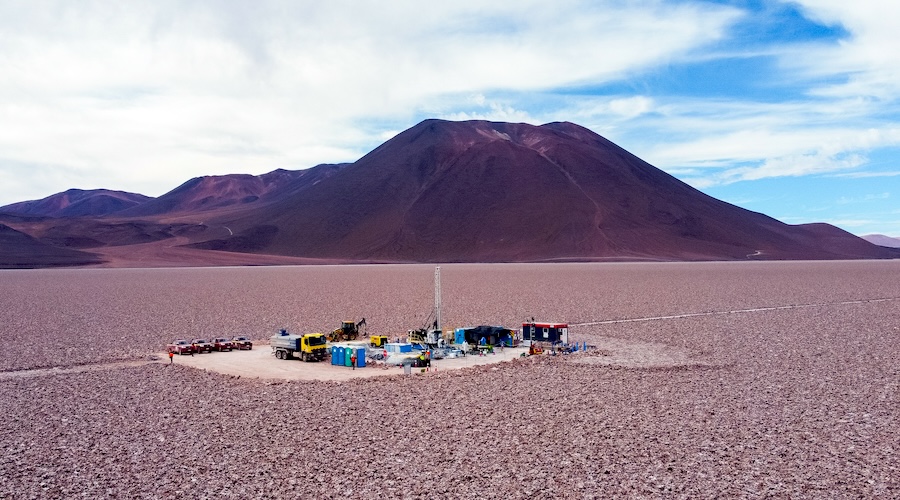
France’s Eramet (Euronext: ERA) and Chile’s state mining company Empresa Nacional de Minería (ENAMI) are headed to court in a dispute that could delay development of one of the world’s largest lithium deposits.
ENAMI plans to invest more than $3 billion with mining giant Rio Tinto (LSE, NYSE, ASX: RIO) to develop the Salares Altoandinos project. It is estimated to host about a quarter of Chile’s lithium resource, could produce enough of the battery metal for about 1.5 million electric vehicles a year, and is expected to become a cornerstone of new President Jose Antonio Kast’s development agenda.
Complicating matters, Eramet acquired all the area’s mining rights in 2023 in a bid to secure the special licence required to produce lithium under Chile’s Cold War-era legislation, drafted when the metal was considered vital for nuclear arms. The French company doesn’t hold the licence but is seeking to leverage its land position for a stake in the development.
“Eramet has begun a series of abusive administrative and court actions,” ENAMI’s lawyers wrote in a pretrial document that became public in March. “[They] seek to hinder or block the development causing compensable damages to our clients.”
Filed appeals
The French company filed appeals against Chile’s selection of Rio Tinto’s $415 million bid in last year’s competitive process. Eramet has publicly called on ENAMI to open negotiations on the award, due to close this year, while filing multiple applications for easements and water extraction sites at the site.
“As the holder of mining concessions, we remain open to constructive solutions that allow Altoandinos to move forward on a solid footing,” Eramet Chile chairman Hubert Porte said in a March 16 column in the Santiago-based Diario Financiero newspaper. “But we continue to defend our rights as a mining concessionaire.”
If neither side is willing to cede, the dispute could take at least two years to work through the courts and potentially proceed to international arbitration. Some mining lawyers in Chile are concerned that ENAMI’s respect for mining claims borders on expropriation.
“ENAMI has taken somewhat of a risk by not requiring that its strategic partner holds mining claims over the area,” Ignacio Errazquin of Santiago law firm CMS Carey & Allende told MINING.COM‘s sister publication, The Northern Miner.
Atacama region
Eramet holds 1,200 sq. km of claims covering 99% of the La Isla and Aguilar salt flats in northern Chile’s Atacama region as part of a long-planned shift towards energy metals. It wants to capture synergies with its $900 million Centenario facility across the Andes in northwest Argentina, which entered production in late 2024.
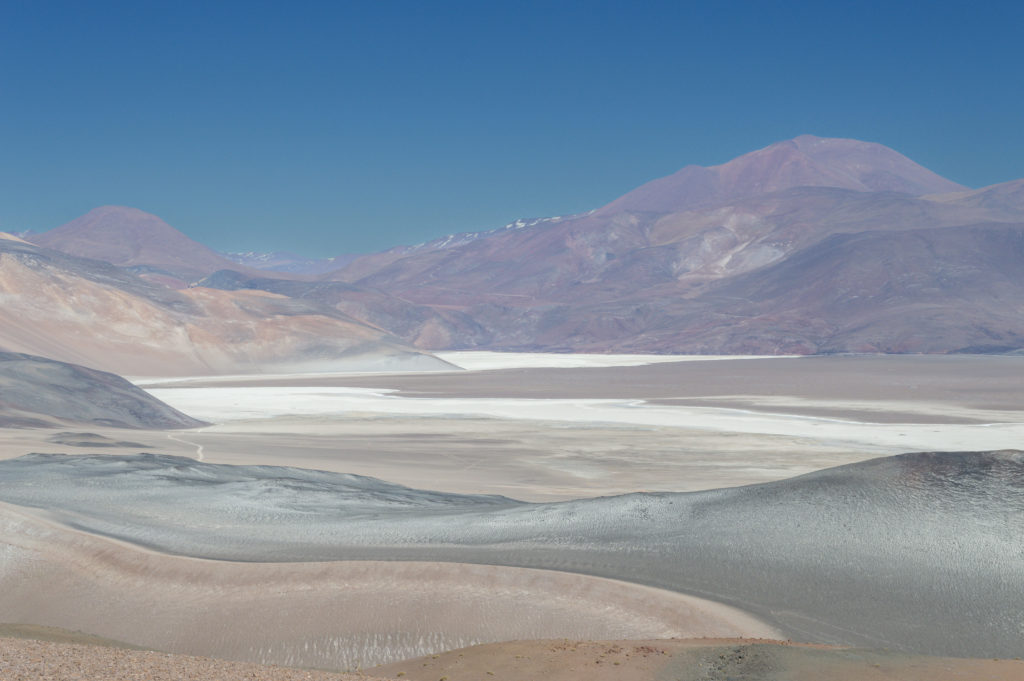
Chile has estimated Salares Altoandinos to host about 4.5 million tonnes of lithium following 2025 exploration, though no formal resource statement has been released.
“Today we can say with certainty that this is a world-class project,” ENAMI CEO Ivan Mlynarz said in March following the latest exploration results.
The project is the latest tie-up between the Chilean state and private investors as the country seeks to double lithium output to about 500,000 tonnes annually by 2035.
“After an exhaustive analysis, we concluded that Rio Tinto’s was the proposal that provided most value to ENAMI,” Mlynarz said at the time.
Rio Tinto’s offer includes cash as well as its direct lithium extraction process and access to the pilot plant at its Rincon operation in Argentina. It was Rio Tinto’s second win in less than two months after signing a similar deal with state copper giant Codelco for Maricunga.
Court wrangling
The risk now is that the legal dispute with Eramet could tie up the Altoandinos project in years of court wrangling.
“Having participated in a process where it was not selected, Eramet is now questioning its whole basis,” ENAMI said in the court filing. “The mining properties which it thought to use as an advantage to be selected, it now plans to use to obstruct the project.”
And having focused solely on lithium, Eramet has now raised the possibility of extracting other elements present in the brines such as boron, iodine and potassium.
ENAMI has called on judges to force Eramet to hand over internal emails and other documents that would show when management shifted its focus to non-metallic minerals, among other issues.
CEOLs
Regardless of the intentions when claims were staked or acquired, they give the holder the right to exploit any minerals in the ground, except lithium, which needs that special permit, known as a CEOL from its initials in Spanish. In 2023, holding mining claims over the production area became a requirement.
This month, the Chilean government granted the first CEOL to a private company — CleanTech Lithium (LSE-A: CLT) – largely on the strength of its extensive holdings at its Laguna Verde project.
“We own almost 100% of the claims . . . which was a requirement under this process,” CleanTech CEO Ignacio Mehech told The Northern Miner.
A prolonged dispute over Altoandinos would represent a major setback for President Kast who took office March 11. He’s looking to the mining industry to attract foreign investment and support the economy.
“We want companies to have the certainty to carry out their investments and reach production in the short term,” Economy and Mining Minister Daniel Mas told journalists March 13. “So we will see how to make this strategy coincide with our aims.”
{{ commodity.name }}
{{ post.title }}
{{ post.date }}
Comments