Chinalco bets $700M on Peru mine turnaround
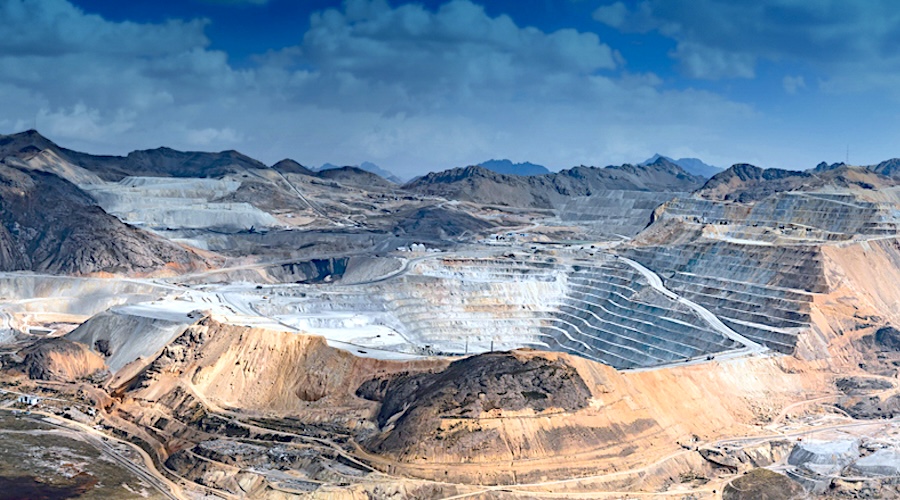
Aluminum Corp of China (Chinalco) is investing more than $700 million over the next three years to overhaul its Toromocho copper mine in Peru, adding molybdenum output to drive a long-awaited turnaround.
The plan, part of a $1.7 billion investment committed in 2018, includes updates to the mining scheme, new deposits and expanded stockpiling to improve efficiency and ensure operational continuity.
The total planned investment is being carried out in stages, with the core $1.35-billion expansion focused on lifting plant capacity and extending Toromocho’s development. That is being followed by additional technical modifications valued at about $350 million to optimize processing, recovery and supporting infrastructure.
Chinalco will expand a low-grade ore stockpile to the west and create a new stockpile within the existing pit, aiming to maximize existing infrastructure while staying within authorized limits. The company said the upgrade will improve processing performance and recoveries at the operation, where past technical challenges have weighed on output and costs. It also said the revamp will allow it to increase the plant’s capacity to 170,000 tonnes per day from the current 117,000-tonne-per-day capacity.
“This approval makes it possible to implement 28 projects, comprising 33 components over the next three years,” Chinalco executive Álvaro Barrenechea said in a statement.
Adding molybdenum
A key component of the overhaul is the introduction of molybdenum recovery, a metal previously not processed at Toromocho, supported by a new classification system that separates copper-only ore from copper-molybdenum material. The latter will be stockpiled for near-term processing, allowing more efficient resource use and diversified production.
Chinalco said this approach will help secure early reserves and ensure continuous supply to the concentrator. The company also plans to stockpile ore in 2027 for processing in 2028, using existing pit roads and a new northern stockpile to maintain steady feed to the concentrator.
Peru’s Vice Minister of Mines Mayra Figueroa said copper and molybdenum are critical to the global economy, underscoring the project’s strategic importance as Peru remains the world’s second-largest copper producer and a key molybdenum supplier.
Toromocho, an open-pit mine in the Junín region, accounts for about 10% of Peru’s copper output and is expected to operate until 2042, highlighting the long-term significance of the upgrades. The operation sits 4,500 metres above sea level east of Lima and includes an open-pit mine and a processing plant. It produces about 250,000 tonnes of copper in concentrate annually and holds 1.53 million tonnes in reserves grading 0.48%, with a mine life of roughly 36 years since starting operations in 2013.
The company has also advanced its digital transformation at the site, launching an Integrated Operations Management Centre earlier this year and deploying an autonomous drilling and fleet management system developed with Huawei Peru to improve efficiency across the value chain.
Political landscape
Peru’s mining outlook now hinges on a June 7 presidential run-off between Keiko Fujimori and Rafael López Aliaga, with both candidates signalling policies that could reshape the sector.
Keiko, daughter of jailed former president Alberto Fujimori, has positioned herself as pro-US and investor-friendly, promising clearer rules to attract foreign capital while casting opponents as closer to Beijing. Her campaign has leaned on law-and-order messaging reminiscent of her father’s presidency.
López Aliaga has struck a similar tone but warned unused mining permits could revert to the state, signalling a potential shake-up in one of Peru’s most important sectors.
The prospect of revoking unused mining concessions underscores rising political pressure on the country’s sector, raising the risk of disruption for major operators including Southern Copper (NYSE, LON: SCCO), MMG Ltd (HKG: 1208) and First Quantum Minerals (TSX: FM).
The election outcome will shape billions in mining investment as Peru’s sector— which attracted about $6 billion last year and has driven roughly 3% annual economic growth since the pandemic—faces mounting political pressure and a surge in illegal mining.
More News
Bomb attack damages Ecuador mining agency probing illegal gold
It’s the second blast in recent weeks affecting Arcom offices.
June 29, 2026 | 12:28 pm

{{ commodity.name }}
{{ post.title }}
{{ post.date }}
Comments