DRC boosts US copper sales fivefold to 500,000 tonnes
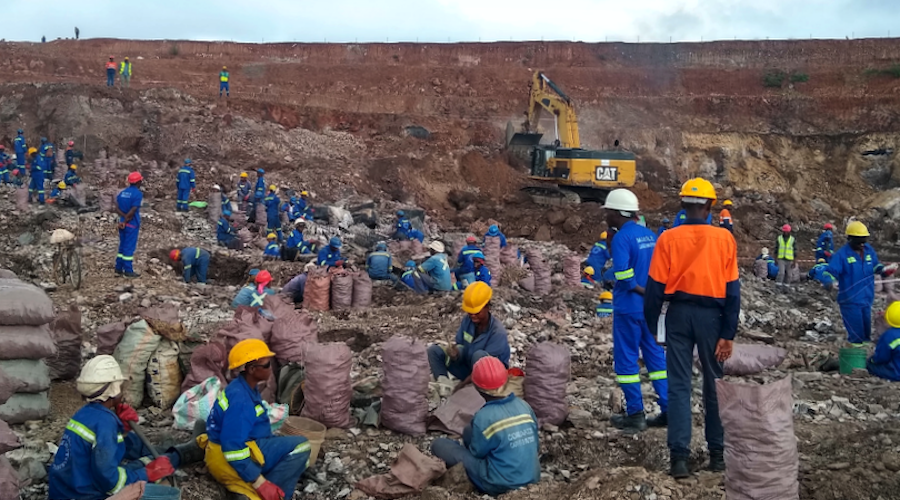
The Democratic Republic of Congo has raised planned copper sales to the United States to 500,000 tonnes through a state-backed marketing venture, marking a fivefold increase from its initial January commitment.
The deal, first reported by Semafor, is led by state miner Gécamines and marketed through a joint venture with Mercuria Energy Group, with backing from the US International Development Finance Corporation. It targets copper output from Gécamines’ minority stakes in major operations, including Kamoto Copper Company and Tenke Fungurume.
The expanded agreement highlights the DRC’s growing influence in global copper markets while intensifying competition between Western and Chinese players for control of critical mineral supply chains, as Kinshasa seeks to convert passive stakes into direct revenue and greater commercial control.
Gécamines has been working to transform its holdings in some of the country’s largest mines into physical copper it can market independently. Its stakes include Glencore’s (LON: GLEN) Kamoto Copper Company and the Chinese-run Tenke Fungurume mine, one of the world’s highest-grade copper-cobalt deposits.
While the partnership is intended to improve transparency and control, Mercuria remains the seller of record as Gécamines develops an in-house trading arm.
Analysts say that transition will require significant investment in financing, insurance and risk management, as well as access to physical markets.
Congo’s copper production has surged to 3.5 million tonnes in 2025, cementing its position as the world’s second-largest supplier after Chile. The growth comes amid record prices and rising demand driven by electric vehicles, renewable energy and data centre expansion.
Strategic reserve
In a parallel move to tighten its grip on critical minerals, the DRC has established a strategic reserve for cobalt and other key materials, handing control to regulator ARECOMS. The agency can now acquire, hold and market designated minerals, allowing the state to stockpile unused export quotas and intervene more directly in global markets.
The reserve, which will also include germanium and could be expanded to other minerals, builds on previous measures to bolster cobalt prices, including a temporary ban on exports last year followed by a quota system.
“It will allow the Congolese state to intervene in a targeted manner regarding the quantities of strategic mineral substances available in order to maintain the balance of the international market and contribute to strengthening its economic sovereignty,” ARECOMS said in an emailed statement.
Congo, which produces about 70% of the world’s cobalt, has already moved to curb oversupply through export bans and quotas. It shipped about 48,800 tonnes in the first quarter, down sharply from roughly 123,000 tonnes a year earlier, when exports were frontloaded ahead of a four-month freeze.
Under the quota system, 10% of national cobalt exports are reserved for strategic use, amounting to 9,600 tonnes in 2026. Any unshipped volumes risk being transferred to the state reserve, adding another lever for the government to influence supply.
China’s hold
Chinese companies such as CMOC, Zijin and Huayou dominate copper and cobalt production in the DRC, where the metals are often mined together, while US firms have historically stayed away because of conflict, corruption and logistical hurdles.
Kinshasa hopes American capital can dilute that dominance after years of Chinese expansion. In 2007, Congo granted Chinese miners tax breaks running to 2040 in exchange for $9 billion in promised investment, of which about $6 billion materialized, as Western governments showed little appetite to curb sales to Chinese buyers.
By the time US President Donald Trump returned to office in January 2025, Chinese firms controlled about 80% of Congo’s mining output, underscoring Beijing’s dominance in the sector. Western interest is increasing, however, with Orion CMC — backed by the US development finance agency — moving to acquire stakes in Glencore’s Congolese assets as Washington looks to secure critical mineral supply.
While the Congolese state holds a 30% stake in Kamoto, Gécamines can tender up to half of the mine’s copper production in 2026 and 2027 to offset volumes it was previously unable to market, potentially extending beyond that period if needed.
More News
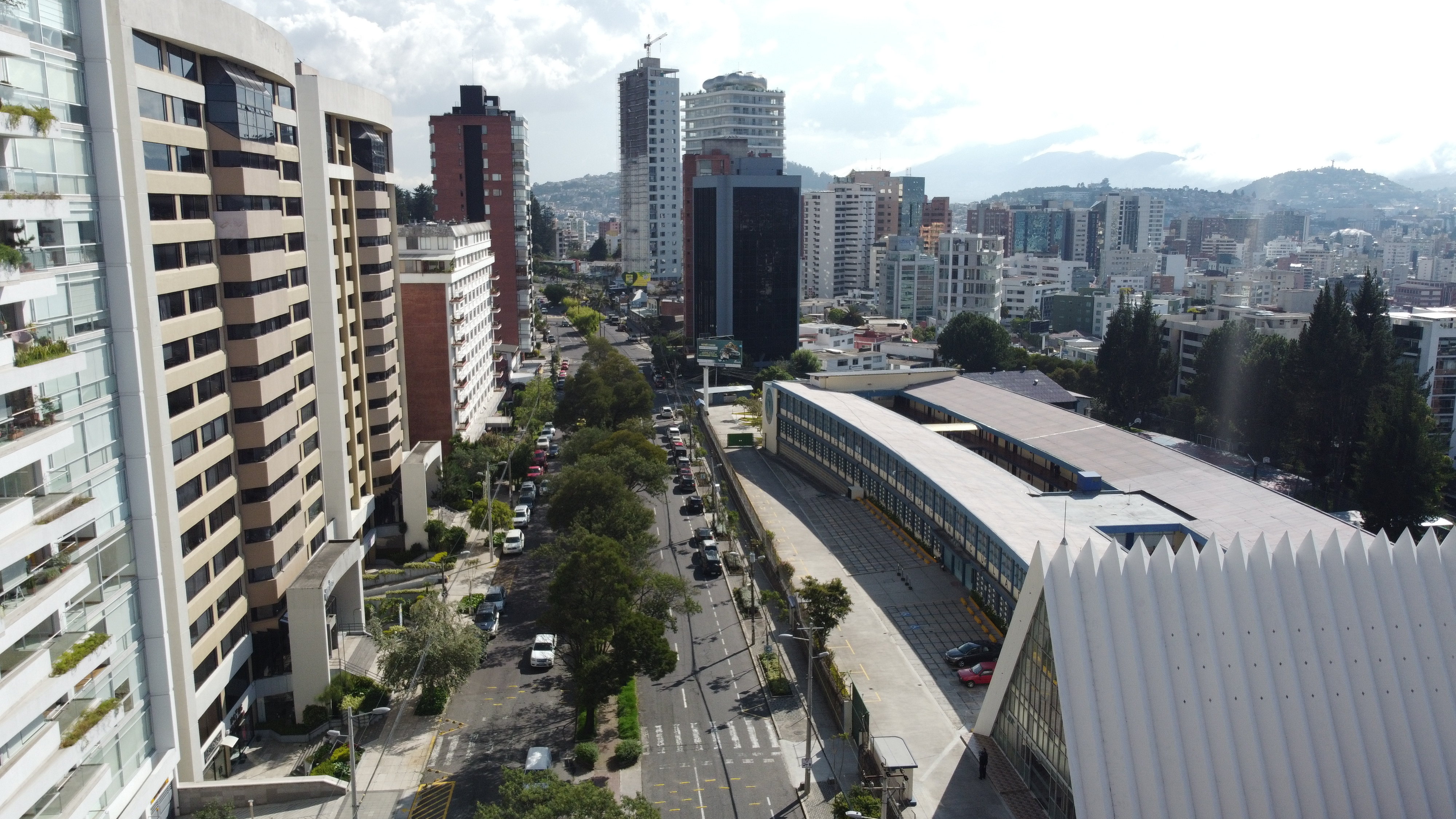
Bomb attack damages Ecuador mining agency probing illegal gold
It’s the second blast in recent weeks affecting Arcom offices.
June 29, 2026 | 12:28 pm
{{ commodity.name }}
{{ post.title }}
{{ post.date }}
Comments