Gold and silver prices plunge as oil shock fuels inflation risks
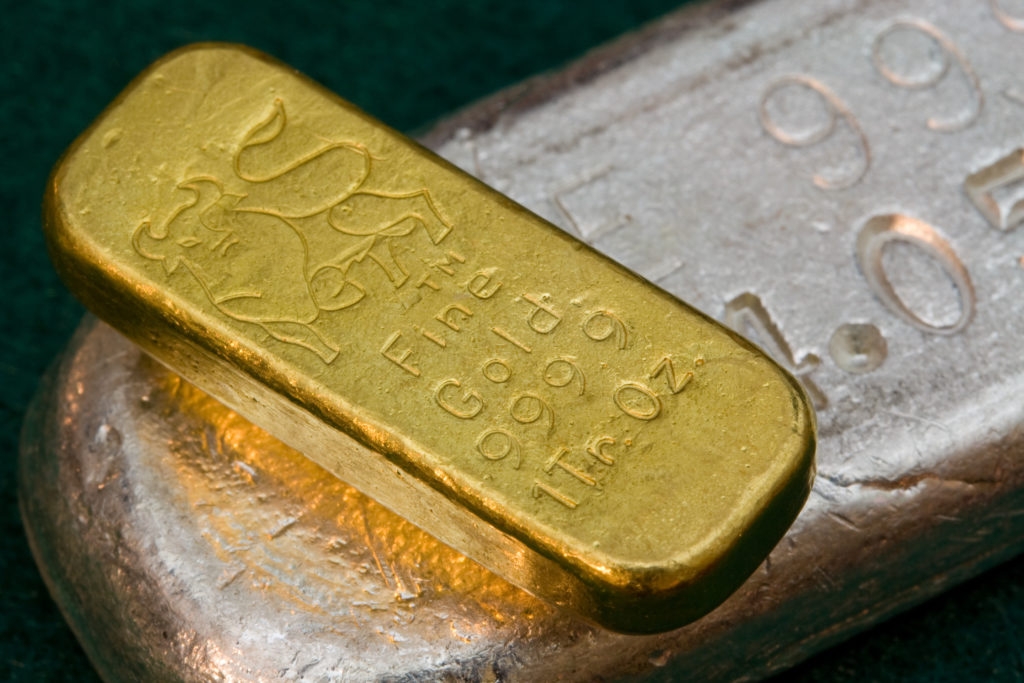
Gold and silver prices plunged on Thursday as the war in the Middle East continues to lift energy prices, fueling inflation concerns and diminishing the chances of a Federal Reserve rate cut.
Spot gold tumbled as much as 6% test the pivotal $4,500-an-ounce level — last seen post the end-of-January crash. The yellow metal has now declined for seven straight sessions, its longest losing streak since 2023, and is over $1,000 off its record high from nearly two months ago.
Silver, meanwhile, fell over 10% to below $66 an ounce, its lowest since late December. The metal is now down by more than 45% from its peak of $121.65 set in January.
Inflation pressure deepens
Soaring crude and gas prices from the ongoing Middle East conflict have become a key driver behind the precious metals’ declines in recent days, as they add inflationary pressures to the global economy. Higher inflation reduces the likelihood of central banks cutting interest rates, making non-yielding assets like bullion less appealing to investors.
A day earlier, the Fed expectedly kept rates untouched, citing uncertainty surrounding the war’s impacts. It also projected just one cut this year, with Chair Jerome Powell saying a reduction would be dependent on slower inflation.
Since the US-Israeli strike on Iran nearly three weeks ago, gold has been largely trading within a narrow range, but this week started to trend lower as the inflationary worries intensified.
Some analysts say the fluctuation has scared off investors. “It’s not a safe haven anymore, it’s a speculative asset,” Patrick Armstrong, chief investment officer of Plurimi Wealth, told Bloomberg.
“With funds continuing to rotate into energy and chemicals, there is little support for metals prices while the conflict continues,” BMO noted.
Risk to downside
“Gold is now a very widely held position for institutional investors, and that has been on the back of the debasement trade over the last year. But the foundations of that trade are now weakening,” Daniel Ghali, commodity strategist at TD Securities, told Reuters.
“For the near term, we continue to see risk to the downside. There is a very substantial amount of room for gold to sell off while maintaining its bull market era trend support,” Ghali added.
“Bullion may find some support from geopolitical uncertainty, but as long as oil absorbs the main safe-haven bid, upside will likely remain constrained,” analysts from Sucden Financial echoed.
Bullion’s recent performance mirrors that of summer 2022 after Russia’s invasion of Ukraine, which also caused an energy price shock that rippled through global markets. During that period, gold prices fell as much as 18% off their peak, largely due to aggressive interest rate hikes by the Fed.
Despite Thursday’s drop, gold has still risen nearly 7% so far this year. Silver, however, is now down 1% year to date.
{{ commodity.name }}
{{ post.title }}
{{ post.date }}



Comments