Korean study unlocks Latin America lithium playbook
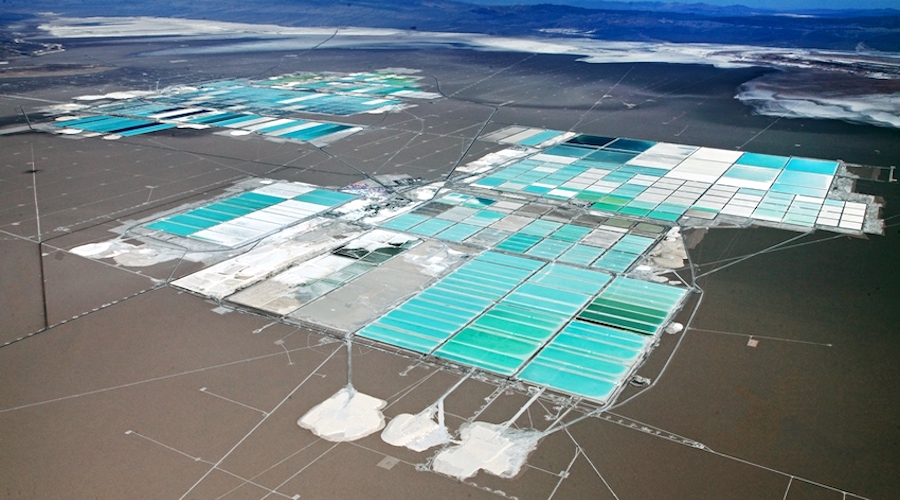
A new study by Korean researchers reports global market forces and domestic politics explain why Latin American countries have taken sharply different paths in governing their lithium industries.
The research, published in The Extractive Industries and Society journal, examines lithium governance in Chile, Argentina, Brazil, Bolivia and Mexico as global demand for the mineral accelerates.
Latin America holds some of the world’s largest lithium reserves, making the region central to efforts by governments and companies to secure future supply.
Despite similar external incentives for state intervention, countries in the region have taken divergent paths. Chile has adopted a hybrid model that allows private investment under strong state oversight. Argentina and Brazil have largely maintained decentralized, market-oriented regimes. Bolivia has opted for a tightly controlled, state-led system, while Mexico has focused on nationalization mainly at the rhetorical level.
Seungho Lee, an assistant professor in the Department of Spanish and Latin American Studies at Jeonbuk National University, and the main author of the study, developed a two-stage decision-making framework to explain these differences.

Lee argues that global commodity price cycles and strategic competition create external pressures and opportunities for government intervention, but their impact depends on the maturity of each country’s lithium industry. Domestic political settlements then shape the depth and design of state involvement.
One approach does not fit all
The study warns foreign governments and multinational companies against using uniform strategies when engaging with the region’s lithium sector, urging them to consider both international conditions and country-specific political and industrial realities.
Lithium is a critical component in lithium-ion batteries used in electric vehicles and renewable energy storage, with forecasts projecting demand linked to EV production to rise more than 300% by 2030 compared with 2023.
The findings come as governments worldwide face growing pressure to secure supply chains and protect strategic industries amid intensifying geopolitical competition.

{{ commodity.name }}
{{ post.title }}
{{ post.date }}

Comments