Op Ed: Rio–Glencore talks failed on price, not ego
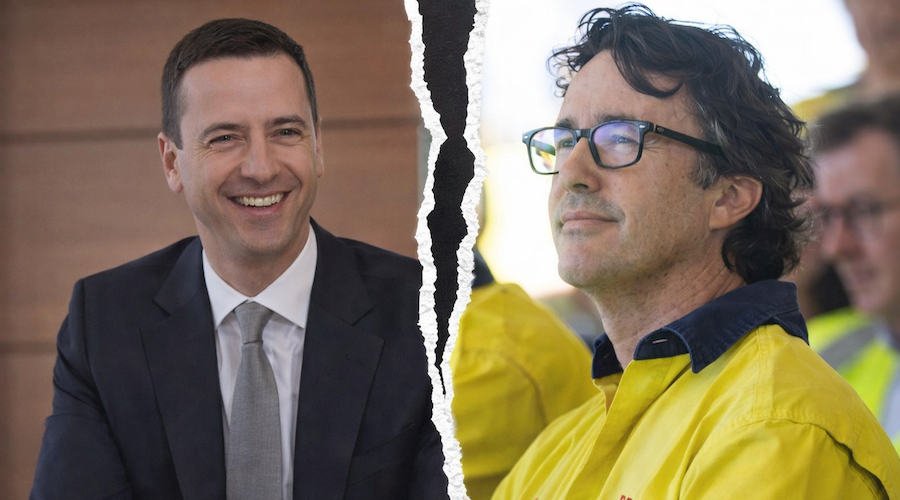
Former Glencore (LON: GLEN) chief executive Ivan Glasenberg spent years pursuing one prize above all others: a merger between his firm and Rio Tinto (ASX, LON: RIO) that could have reshaped global mining.
That ambition died quickly this week, with the latest talks collapsing in less than 24 hours as Rio announced it would no longer pursue a merger or any other business combination. The miner concluded it could not strike a deal that didn’t delivered enough value for its shareholders.
Glencore’s response put governance first, saying Rio wanted to retain both the chief executive and chair roles, but only then did it turn to the real issue. The company said Rio’s proposed ownership structure “significantly undervalued Glencore’s underlying relative value contribution to the combined group,” even before any takeover premium.
To be clear, leadership still mattered to both sides. Deals of this size are never free of ego, and analysts were quick to note the personalities involved. Ben Davis at RBC summed it up neatly, saying the talks were always going to be difficult and that it was unclear what brought the two companies back together so quickly, or what pushed them apart just as fast.
Still, no one close to the negotiations believes this deal collapsed because executives could not agree on titles or office space. Glencore’s CEO Gary Nagle was prepared to walk if the price was wrong, and for Rio’s Simon Trott, control was inseparable from valuation. Governance became a proxy for the only issue that ever truly mattered: who was paying for what.
Rio entered the talks as the larger company, with roughly double Glencore’s market value, and wanted any merger to reflect that dominance.
Glencore, by contrast, pushed for a more balanced structure, with one company naming the chair and the other the CEO, framing the transaction as a merger rather than a takeover. Strip away the rhetoric, and that balance was simply Glencore’s way of defending its valuation.
Beginning of the end
The mood shifted sharply just a day before Rio’s deadline to make a formal bid, when it became clear Glencore was not going to move far from its demand that its shareholders own about 40% of the combined company. With Glasenberg still Glencore’s largest shareholder, that line was not going to soften.
Strategically, both sides had plenty to gain. Glencore was coming off a decade in which its copper output had fallen more than 40%, even as copper prices surged to record highs. Management was in the middle of convincing investors the business had turned a corner. Rio, meanwhile, saw a way to loosen its dependence on iron ore at a time when prices were sagging under rising supply and softer demand, and to unlock growth in Glencore’s copper portfolio.
A tie-up would have been transformative. Rio could have overtaken BHP Group as the world’s largest miner, folding Glencore’s coal, copper and trading operations into its iron ore powerhouse. More importantly, Rio would have doubled its copper output, positioning itself as the world’s top copper miner with roughly one million tons of future growth.
THE sticking point
Before talks began, the implied value split between the companies sat around 69–31 in Rio’s favour, while Glencore pushed for something closer to 60–40. That gap sat at the heart of the dispute.
From Glencore’s perspective, the 69–31 split reflected a snapshot that flattered Rio, taken when coal prices were weak and iron ore prices unusually strong, partly due to tensions between BHP and the Chinese government that constrained some iron ore flows.
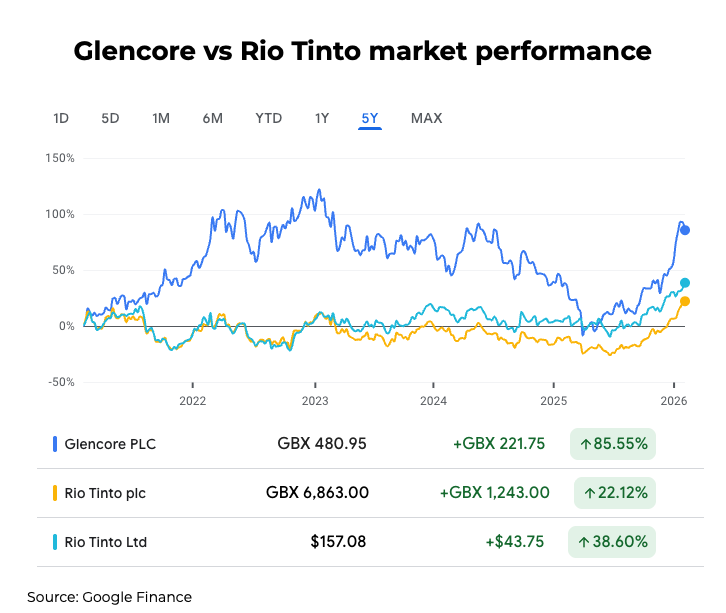
Glencore argued a 60–40 split better captured the long-term value of its portfolio, especially its 10 copper growth projects. If Rio wanted full control, including both chair and CEO roles, Glencore believed Rio should also pay a clear takeover premium. Australian Financial Review columnist James Thomson noted before the talks collapsed that Glencore effectively had two prices in mind: a merger price with shared leadership, and a higher takeover price if Rio took the reins outright.
On Thursday, the combined value of the two companies stood at about $232 billion. The gap between what Rio was willing to pay and what Glencore believed it was worth proved impossible to bridge.
In the end, this was not a story about bruised egos or corporate pride. It was about timing, market cycles and a fundamental disagreement over value. Until those numbers align, the mining industry’s most tantalizing merger will remain just that: a deal that made strategic sense, but never added up.
More News
{{ commodity.name }}
{{ post.title }}
{{ post.date }}


Comments