PH7 Technologies targets tough ores with cleaner, closed-loop processing
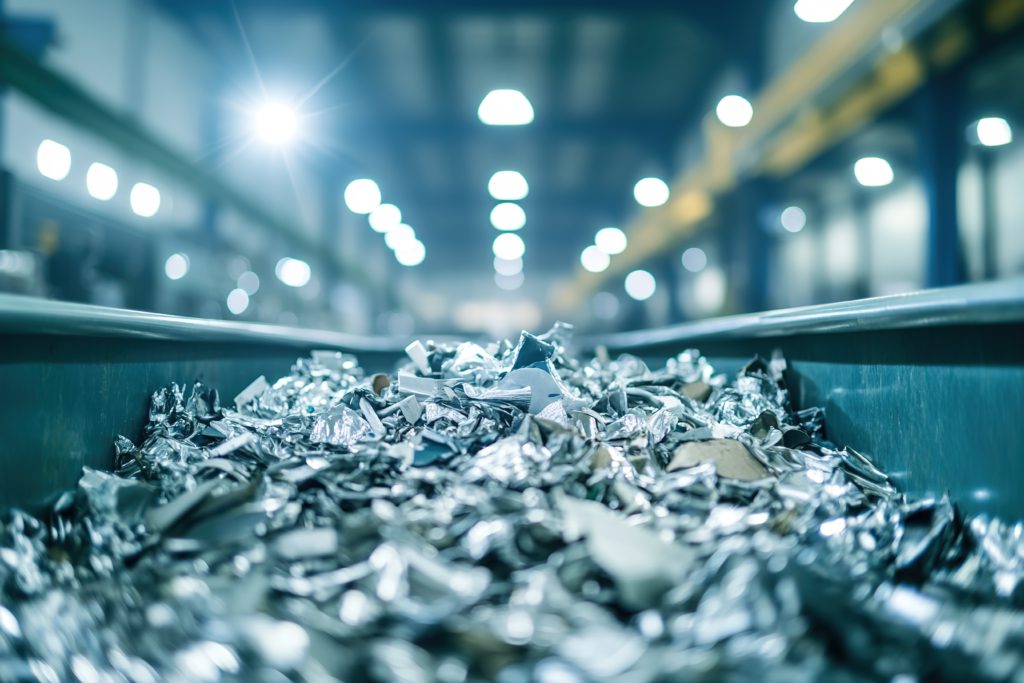
Canadian critical metals processing company pH7 Technologies is expanding its operating facility in Vancouver to scale the recovery of platinum group metals (PGMs) and strengthen regional supply chains.
The company said it is receiving advisory services and up to C$4 million ($2.8m) in funding from the National Research Council of Canada Industrial Research Assistance Program (NRC IRAP) to help advance its proprietary metallurgical processing technologies.
The project will accelerate the development and scale-up of pH7’s organo-electrochemical processes for recovering platinum, palladium, and rhodium from secondary materials.
“Investing in pH7 Technologies through the National Research Council of Canada Industrial Research Assistance Program will help Canada capitalize on the rising global demand for critical minerals, add value and jobs here at home, and reinforce our global leadership in responsible mineral development,” ”Mélanie Joly, Minister of Industry and Minister for Canada Economic Development said in a statement.
Founded in 2021, the company has developed an organo-electrochemical platform that enables mineral extraction without the use of toxic reagents and without generating tailings-related wastewater—two of the industry’s most persistent challenges.
“Our goal from the beginning was to address tailings and wastewater in mineral processing,” pH7 Technologies CEO Mohammad Doostmohammadi told MINING.COM in an interview.
“It’s a closed-loop process — the chemistry is reused over and over.”
PH7 has already reached commercial scale on the recycling side of its business. Its Vancouver facility processes spent catalytic converters, recovering PGMs such as platinum, palladium and rhodium. The plant currently produces between 30,000 and 40,000 ounces of platinum-equivalent metals annually.
The company operates a flexible business model, offering toll processing for clients while also purchasing materials and selling recovered metals through established partners, including Mitsubishi.
With recycling established, PH7 is now focused on scaling its technology for mining applications.
Unlocking difficult ores
The company’s process is particularly aimed at sulfide ores, including chalcopyrite, which are notoriously difficult and costly to process. Using electrochemically generated oxidants, PH7 says it can enable heap leaching of these ores without cyanide or other hazardous chemicals.
The technology can also extract both copper and gold, offering miners a way to improve recoveries from lower-grade and more complex deposits.
As global ore quality declines, this capability is increasingly relevant.
“The good ore is gone. What’s left is harder to extract—and that’s where our technology shines,” Doostmohammadi said.
PH7 is currently working with mining companies across South America, Africa and Australia, testing ore samples at its Vancouver lab to demonstrate recovery improvements.
Path to deployment
The company is targeting on-site deployment at mining operations within the next year, following ongoing pilot work with partners.
At the same time, PH7 plans to expand its recycling footprint, with new facilities under consideration in the US, Europe and South Asia.
PH7 enters a growing field of companies seeking to improve sulfide leaching, including players such as Jetti Resources and Rio Tinto-backed Nuton. Its key differentiator lies in its electrochemical approach, rather than biological or conventional chemical methods.
The company has already received industry recognition, and last year was named as a Top Innovator in UpLink- World Economic Forum Sustainable Mining and Canada’s Clean50 awards, as well as Export Development Canada’s “Company to Watch.”
A dual opportunity
By combining cleaner processing with improved recovery rates, PH7 is positioning its technology as both an environmental solution and a financial one for miners.
As the industry faces mounting pressure to reduce its environmental footprint while meeting rising demand for critical minerals, technologies that can unlock more value from existing resources—without increasing waste—are likely to play an increasingly important role.
By expanding its processing operations, pH7 aims to increase domestic capacity to recover and process critical metals while reducing the environmental impacts associated with conventional metal production.
“We help miners extract more from their deposits, increase recoveries and improve cash flow,” Doostmohammadi said. “Our goal is to have our footprint on the mining site in the next year or two.”
{{ commodity.name }}
{{ post.title }}
{{ post.date }}
Comments