Beyond mine closure: Asset transition
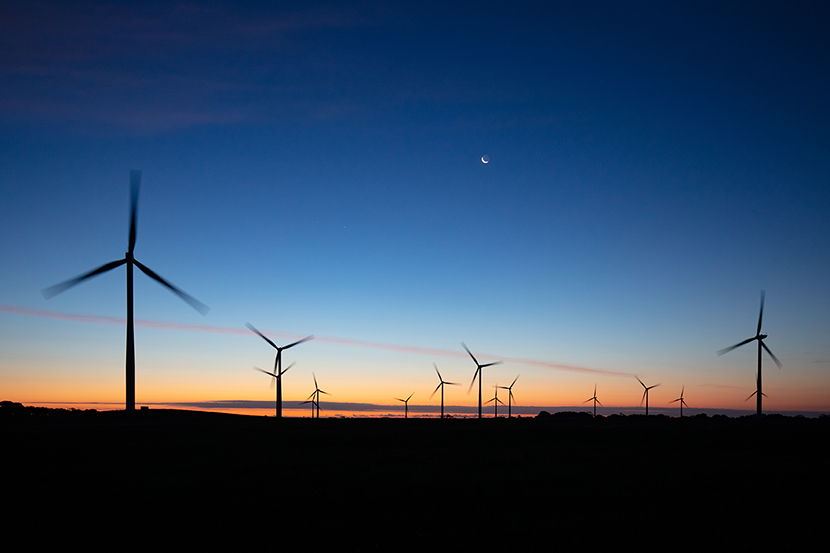
Site and community benefits and value don’t have to end when mine extraction ceases. Around the world, mine closures are becoming opportunities for renewal, from renewable energy hubs to ecological restoration sites. The challenge lies in reimagining how inactive mines can transition into assets that continue to generate value economically, environmentally and socially. Achieving this transformation demands early planning, community partnership and cross-sector collaboration.
With years of technical experience on asset closure and rehabilitation / reclamation projects around the world, we’ve put together an extensive report on how to successfully plan for mine closure from day one.
Embedding transition from the start
Closing a mine doesn’t have to mean closing the door on the site value. When companies start thinking about asset transition early in the project lifecycle, they can open the door to outcomes that go beyond compliance — outcomes that sustain communities, protect the environment and create new opportunities for growth.
Early planning makes all the difference. It allows companies to keep people employed during decommissioning, upskill personnel, support local and Indigenous businesses and help workers retrain for new roles. Many of the skills developed in mining, such as mechanical, electrical and civil capabilities, are directly transferable to emerging sectors such as renewable energy, infrastructure development and environmental restoration.
Turning those opportunities into reality requires both technical and strategic insight. Feasibility studies and scenario modelling help owners compare different reuse options, from river rehabilitation to solar or pumped hydro projects, by assessing factors such as cost, risk, regulatory fit and long-term performance. This evidence-based approach can lead to ideas that are commercially viable and defensible.
Perhaps most importantly, successful transitions are built on early and ongoing engagement with rightsholders, Indigenous Peoples, regulators and local communities. When these groups are involved from the start, they help define the project’s purpose and shape transition outcomes that reflect shared priorities, resulting in stronger community support, smoother regulatory processes and a legacy that lasts well beyond the life of the mine.
Partnerships that make transformation possible
Ambitious transitions often need diverse funding models and strong partnerships to move from vision to reality, because transforming a mine site into something new and valuable doesn’t happen in isolation. Large-scale change is rarely achieved by one organization alone — collaboration is what makes it possible.
Many projects today are built on blended finance approaches, combining private investment, government funding and targeted grants. Public–private partnerships can help align the purpose of the repurposed asset with investor goals, keeping projects both impactful and commercially viable.
Former mine sites are increasingly being re-evaluated as potential hubs for renewable energy generation, from pumped hydro storage to solar and wind projects. By making smart use of existing service corridors and grid connections, these projects turn the site’s physical characteristics into strategic advantages. This can help extend the life of an asset while supporting the broader shift toward renewable energy.
Initiatives focused on river reconnection as well as wetland and habitat restoration are also becoming more common as part of responsible transition planning. When supported by credible data and long-term monitoring, these projects can help improve local ecosystems, contribute to environmental credit schemes and support emerging biodiversity and carbon markets. They demonstrate that with careful design, consideration for actual human health risk through risk-based modelling and evidence-based implementation, environmental outcomes can align with, and add value to, broader economic objectives.
Each of these opportunities relies on a strong technical foundation. When assessing factors such as geotechnical stability, water balance and interconnect potential, project teams can identify which concepts are both feasible and financially sound. This level of rigor can safeguard environmental integrity and help projects move efficiently from design to financing and delivery.
One example that brings all these elements together is the Tent Mountain project, where a former coal mine in Alberta is being transformed into a pumped hydro storage facility capable of delivering 320 MW of dispatchable renewable power. GHD helped Evolve Power identify and shape the opportunity by leveraging the site’s unique topography and existing infrastructure. The result is an example of how thoughtful asset transition can redefine a site’s legacy.
Key takeaways and next steps
The experience of mine asset transition reinforces one key principle: start early and refine often. When closure and transition are planned from the concept stage, opportunities for environmental renewal, community benefit and economic reuse multiply.
To move from theory to action, companies can focus on several practical steps:
- Embed transition thinking early: Integrate closure and transition planning into mine design and operational strategy to identify long-term reuse potential.
- Engage stakeholders meaningfully: Build partnerships with Indigenous and local communities, regulators and investors to shape shared goals.
- Adopt a systems approach: Use cross-functional teams to balance technical, environmental, social and commercial considerations.
- Leverage innovation and data: Employ feasibility modelling and digital tools to assess reuse pathways and corroborate defensible, evidence-based decisions.
- Design for legacy: Move beyond compliance toward solutions that leave lasting social and ecological value.
The path forward for the mining sector lies in responsible closure and transformative transition where legacy sites become engines for innovation and resilience. When closure is viewed as the start of a new lifecycle, this has the potential to unlock enduring value for communities, ecosystems and economies alike.
The most resilient organizations are the ones that see endings as beginnings — opportunities to innovate, regenerate and give back more than they take. At GHD, we work with clients who are ready to think differently about what happens next. If you’re reimagining how your assets can leave a legacy of progress, let’s explore what that future could look like together.
{{ commodity.name }}
{{ post.title }}
{{ post.date }}

Comments