Beyond mine closure: Co-designing social transition with communities
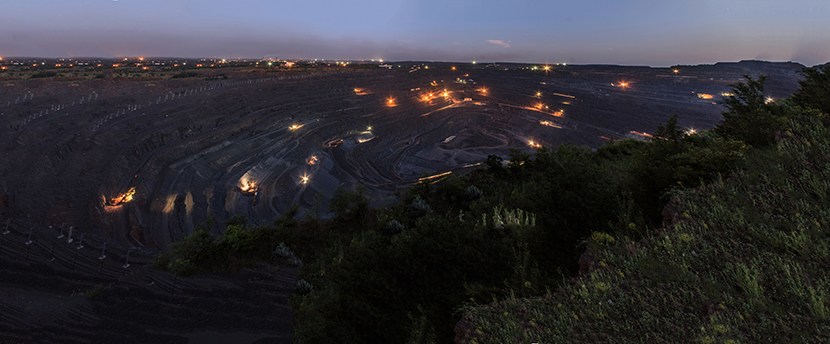
Mine closure is evolving from a technical milestone into a shared social transition. Across the Americas, communities are reshaping what closure means, turning it into a journey of empowerment, cultural stewardship and economic renewal. At the heart of this shift is a commitment to partnership, especially with Indigenous Peoples, whose leadership is essential in shaping the future of post-mining landscapes.
Download the report: Beyond mine closure
Our latest report explores how social closure can unlock long-term value for communities and ecosystems.
[Download the report]
Embedding social transition from the start
Social closure begins long before operations end. Historically, Indigenous rightsholders were often involved late in the process, and consultation laws, such as those in Canada, tended to focus on development rather than closure. Today, the shift towards proactive and inclusive, rights-based planning is reshaping expectations.
Meaningful engagement goes beyond regulatory compliance and begins with understanding governance structures, cultural protocols and lived experiences. Cultural mapping, social baseline studies and early dialogue can help companies anticipate challenges such as mental health pressures, family stressors or economic disruption — issues that can intensify if left unaddressed.
Progressive organizations are also integrating social data into closure planning, tracking indicators across the lifecycle rather than waiting for late-stage assessments. This approach embeds community priorities and cultural heritage considerations into the very foundation of closure planning.
When communities participate from the outset, closure becomes a co-designed journey, one that honours identity, supports wellbeing and creates a shared vision for the land after mining.
Strengthening community leadership through participatory planning
Leadership is the foundation of empowerment, supported by strong capability and meaningful resourcing. These make participatory planning possible, allowing each Indigenous community to define what closure means for them through individual committees, co-development forums or regional gatherings.
Safe spaces help surface competing priorities and encourage open discussion about the emotional, cultural and economic impacts of transition. Bringing people onto the land — to walk, reflect and share stories — builds understanding and trust and enables difficult conversations to take place constructively.
Peer-to-peer learning is emerging as a powerful tool in social closure. When Indigenous rightsholders bring their lived experience with mine closure to co-development, the exchange builds confidence and fosters organic solutions without corporate influence. In this model, mining companies step into a supporting role, providing funding, facilitation and technical insight, but not direction.
This is the practical expression of “nothing about us without us.” Decisions about the future of the land must be shaped by those with deep, intergenerational ties to it.
Indigenous rights, cultural stewardship and economic resilience
Mining occurs on ancestral lands, and the legacy of past practices means communities still carry the impacts of historic closures. Recognizing ancestral and Treaty rights is fundamental to responsible mine transition, particularly at legacy sites where trust may be fragile.
Impact and Benefit Agreements, joint committees and shared governance structures give Indigenous communities a leading role in environmental monitoring, cultural protection and land-use planning. These agreements create shared responsibility and long-term stewardship. They shape collaboration, guiding decisions that sustain communities and ecosystems well beyond closure.
The socioeconomic transition is just as critical. Workforce retraining, business diversification and mental health support need to start early, especially in remote regions where mines anchor local economies. Reintegration can strain family systems, finances, housing and essential services. These pressures are interconnected and demand coordinated planning.
Communities may also want continued access to facilities or to repurpose infrastructure for gatherings, youth programs or new economic opportunities. Balancing these aspirations with environmental risk management calls for ongoing dialogue, transparency and flexibility.
Digital tools such as AI-driven sentiment analysis are beginning to inform social closure planning. When used responsibly — with clear documentation, respect for data sovereignty and community ownership — they can help identify emerging risks, synthesize qualitative insights and support adaptive decision-making.
Key takeaways and next steps
Social closure is complex, but the path forward is clear: start early, plan together and empower communities to lead. To move from intention to action, mining companies can:
- Embed social transition early: Integrate cultural mapping and social baseline studies as part of initial feasibility assessments. Include these as mandatory inputs in closure cost models and regulatory submissions.
- Build shared governance: Establish joint closure committees, formalize decision-making governance in agreements, and development governance charters to promote transparency.
- Support economic resilience: Co-design retraining programs, business diversification initiatives and mental health support tailored to local contexts.
- Use digital tools responsibly: Implement AI-driven sentiment analysis only after obtaining free, prior and informed consent. Store data on community-controlled servers and publish annual transparency reports on how insights inform closure decisions.
- Protect cultural heritage: Honour cultural protocols, access rights and intergenerational knowledge throughout the lifecycle.
- Design for legacy: Conduct feasibility studies for repurposing infrastructure (e.g. community centers and training hubs) and secure funding commitments before closure approval. Include post-closure land-use plans in regulatory filings.
Social closure is complex, but its impact is profound. As one of our Indigenous partners said, “When we heal the land together, we heal the people too.”
Embedding social transition early aligns with the principles of integrated closure planning, which we explore further in our insight on how early integrated closure planning builds environmental and social value.
We work with clients who are ready to think differently about closure. If you’re looking to co-create closure strategies that embed cultural stewardship, economic resilience and community leadership, contact us to initiate an integrated closure planning workshop with your Indigenous partners. Download the full report: Beyond mine closure
Explore how social transition, shared governance and community-led planning can strengthen closure outcomes across the mining lifecycle.
[Download the Beyond Mine Closure report]

{{ commodity.name }}
{{ post.title }}
{{ post.date }}



Comments