Is the volatility in metals prices too much for you? Just wait!
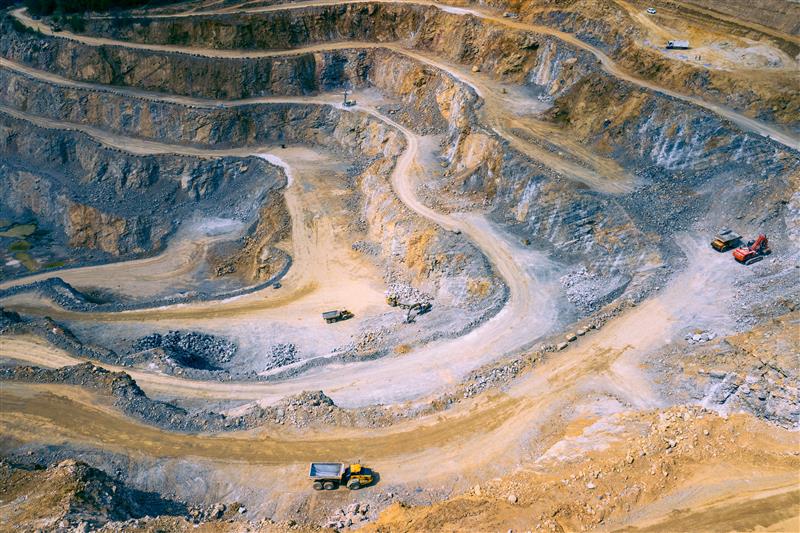
Supply, demand and the general level of inventories were reliable price drivers for metals throughout the 1980s and 1990s. However, since the early 2000s, several external factors have disrupted these traditional benchmarks. What’s more, the changes are continuing but have yet to fully evolve.
For starters, China emerged as a dominant force in the 2000s, securing a top ranking in both the demand and supply of many metals – a position it still holds. Much of this demand and supply originated from an insatiable appetite for metals from the country’s real estate sector. China’s property sector has weakened compared to five years ago, yet metals prices have risen over the past decade. Lost property-related demand has been replaced by new sources including AI, electric vehicles (EVs), solar panels, and advanced manufacturing. China also leads globally in solar panel production, wind turbines, and nuclear energy development.
AI is expected to consume an enormous amount of power – and copper. Bloomberg estimates that data centres, for example will require 4.3 million additional tons of the red metal over the next decade – comparable to a year’s worth of Chilean supply. The US National Mining Association forecasts US copper consumption will more than double by 2050, while globally, projections have copper demand in the next 40 years exceeding all the copper consumed ever. While technological advances may alter these aggressive projections, copper’s predominant role will likely be unchallenged, at least for several more years.
Supply tightness is also projected for zinc, tin, and rare earths. Aluminium production is more diversified and less vulnerable to a potential squeeze, but here too, expansion is limited by access to power. Other supply-side impediments have become familiar themes across metals complexes; these include difficulties with obtaining long-term financing for mining projects, permitting delays, rising labour costs, environmental concerns and a general reluctance to build large inventories to ease supply-side shocks.
Tariffs have scrambled global trade patterns of late, layering in additional costs to an already strained supply chain. And finally, a myriad of geopolitical tensions – frequently pitting commodity producers against consumers – is making the general outlook even more uncertain as well.
Outside of these basic supply/demand fundamentals, algorithmic trading, quant funds, pension funds, hedge funds, and commodity trading advisors have ushered in new capital into the commodities markets. Using sophisticated algorithms, they have integrated metals into diversified portfolios. Their participation has increased price volatility considerably over the last 20 years, so much so that commercial hedging has retrenched as a result. In the early 1990s for example, commercial hedgers accounted for about 80% of futures transactions, while speculative flows made up the balance. That ratio has now reversed, but despite the fade of commercial hedging, participants need more hedging – not less – to reduce their risks.
That’s where Marex comes in — a Category 1 member of the LME and trusted name in global metals markets. With teams across EMEA, APAC, and the Americas, we support growing corporate hedging volumes.
Our dual-capacity status and risk warehousing help us manage client flows with precision. Clients rely on our deep market knowledge, tailored strategies, and execution certainty.
Through our Neon platform, clients gain not just access to live pricing and liquidity, but also Neon Insights — delivering real-time market intelligence to support smarter hedging decisions.
Contact [email protected] to see how Marex can support your risk management needs.
Co-authored: Cynthia Ginsburg – Managing Director – Head of Metals North America + Edward Meir – Analyst, Marex.

{{ commodity.name }}
{{ post.title }}
{{ post.date }}

Comments