Dundee Sustainable Technologies’ Glasslock Process boosts concentrate gold grade 31%, cuts arsenic content by 99%
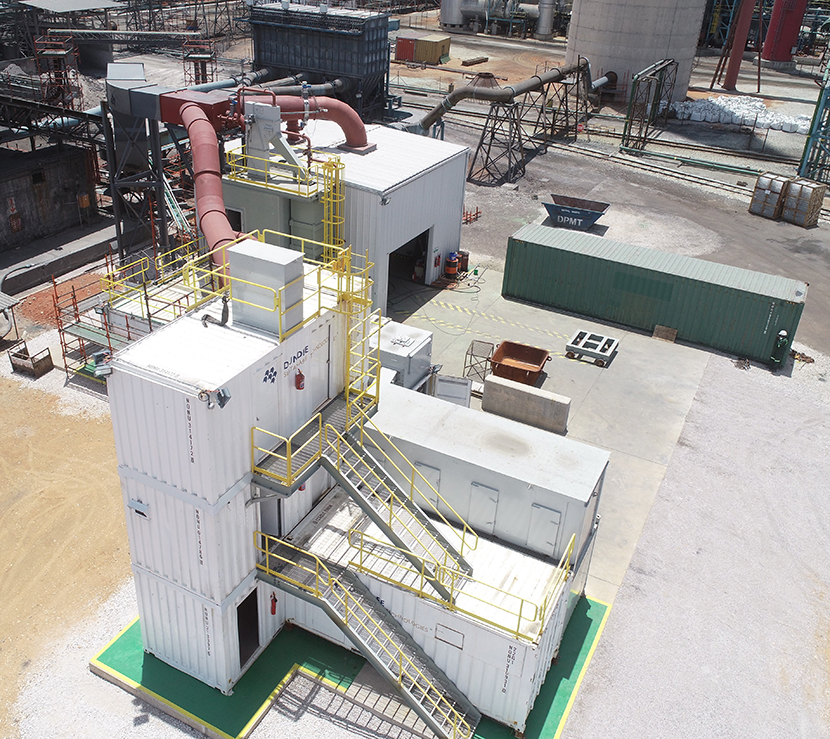
Dundee Sustainable Technologies (DST), a subsidiary of Dundee Corporation (TSX: DC.A), is expanding its partnerships with top gold miners and developers as it commercializes its metallurgical processes, targeting complex and arsenic bearing ores.
The Quebec headquartered company is offering novel metallurgical processes for the treatment of complex and refractory material from mining operations. DST’s processes are applied for the extraction of precious metals (CLEVR Process) and for the removal and stabilization of arsenic (GlassLock Process) from ores and concentrates. The Company has industrial demonstration plants at its technical facilities located in Thetford Mines, Canada and onsite a copper smelter in Africa.
The Glasslock process allows vitrifying the arsenic, often associated with gold, copper or silver deposits, by integrating it in a stable amorphous system which can hold more than 15% arsenic while meeting and/or exceeding Environmental Protection Agency’s Method 1311 Toxicity Characteristic Leaching Procedure.
Moreover, DST has developed an approach for the removal of arsenic contained in mineral concentrates. The removal of arsenic, presented in the form of arsenopyrite, enargite or tennantite is done using a thermal decomposition in an inert environment in combination with vitrification. This implies that concentrates can undergo an arsenic removal pre-treatment and output an arsenic depleted concentrate acceptable for traditional leaching circuits or smelters while mitigating treatment penalties usually imposed to arsenic bearing concentrates.
Revival Gold Inc. (TSXV: RVG, OTCQX: RVLGF) recently announced promising results from a program of metallurgical testing undertaken in collaboration with DST to evaluate the effectiveness of DST’s Glasslock Process on a high-grade sample from the Joss deposit at the Company’s Beartrack-Arnett Gold Project in Idaho.
GlassLock Process testing on high-grade underground sulphide material at Beartrack-Arnett boosted the concentrate gold grade 31% and cut the arsenic content by 99% with almost no loss in gold, Revival reported.
The DST work was undertaken after Dundee Corporation bought a strategic stake in Revival Gold in February, and followed up a previously reported flotation testing program on a 4.6 g/T gold composite from the Joss deposit that yielded a flotation concentrate grading 50 g/T gold, 23% sulphide sulphur and 13.5% arsenic.
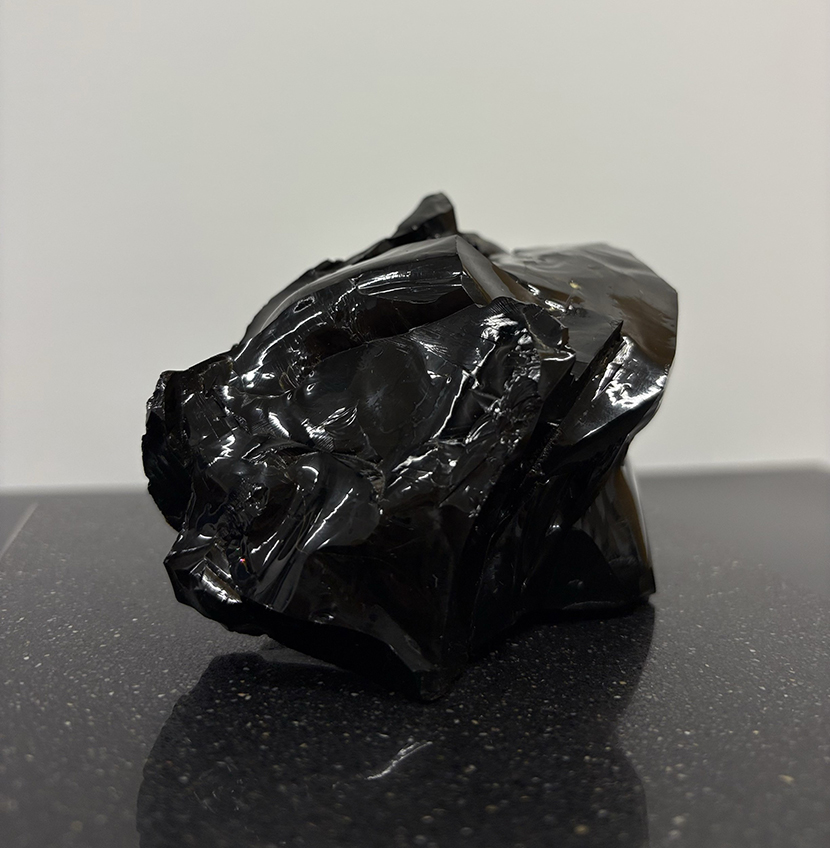
DST developed a similar arsenopyrite-rich concentrate from Joss samples (50.3 g/T gold, 23.6% sulphide sulphur, 13.7% arsenic) and following their GlassLock Process the concentrate graded 66.1 g/T gold (a 31% increase), 17.9% sulphide sulphur (a 24% reduction), and 0.19% arsenic (a 99% reduction).
No measurable gold was lost during the GlassLock Process, the company noted.
“DST’s Glasslock Process offers Revival Gold the opportunity to produce a direct-to-smelter saleable gold concentrate from a potential second phase underground sulphide operation following the planned open pit heap leach phase at Beartrack-Arnett”, Revival Gold said in a news release. “Working with top gold miners and developers allows us to showcase the GlassLock Process as a next-generation solution for the treatment of arsenic bearing complex concentrates while promoting operational efficiency and environmentally responsible mining,” Dundee Sustainable Technologies CEO Jean-Philippe Mai says.

{{ commodity.name }}
{{ post.title }}
{{ post.date }}



Comments