Aclara sees prospect of fast-tracking rare earth project with Chile’s next president
Aclara Resources Inc. sees room to speed the development of a Chilean rare earth project, potentially bringing it online around the same time as a more advanced operation in Brazil.
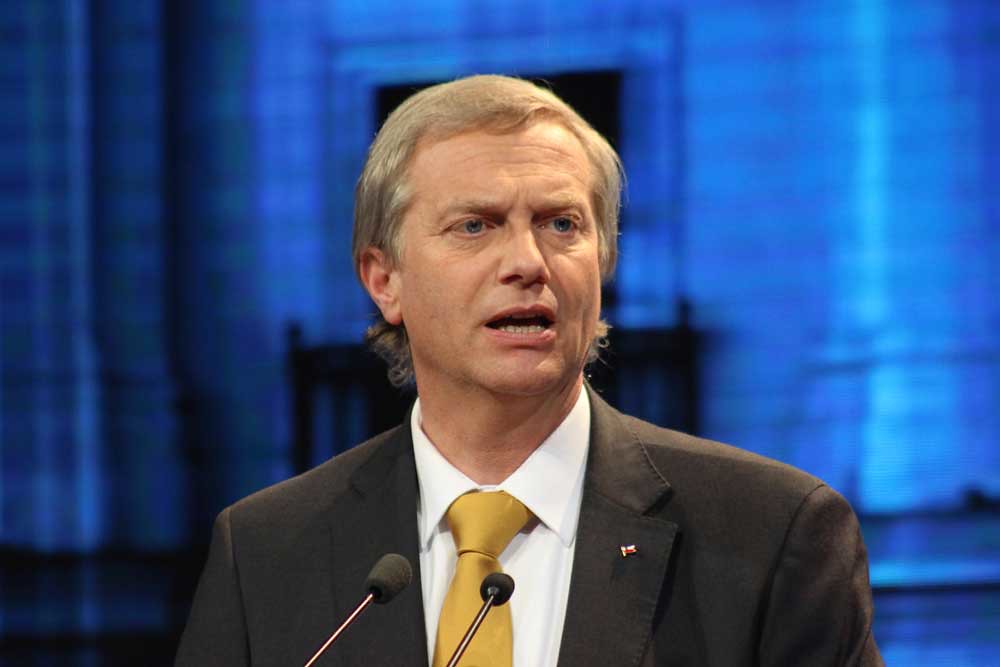
The push comes as Chile prepares to inaugurate pro-investment president-elect José Antonio Kast, whom executives from the Toronto-listed company met with recently, chief executive officer Ramon Barua said in an interview.
Kast, set to take office in March, has pledged corporate tax cuts, a smaller government and fewer regulations to spur investment and growth. That agenda could help Aclara secure permits and funding for the $150 million to $175 million mine, according to Barua.
“There’s a lot of support that we could potentially receive from the government in order to expedite what we’re doing,” he said. “We thought that Brazil was taking the lead but now we are very enthusiastic about the possibility of Chile also being developed in a fast-tracked manner.”
Aclara, which is 57.7% owned by the Hochschild Group, is seeking to raise about $1 billion to build mines in Latin America and processing facilities in the US, as President Donald Trump moves to loosen China’s grip on critical mineral supply chains.
The company has already secured US funding for its Brazilian project, long seen as more advanced than the Chilean deposit. That assessment may change if Kast’s policies reduce red tape and legal uncertainty, Barua said.
Aclara wants to start producing in mid-2028, contingent on securing offtake agreements and financing.
Talks with potential buyers of the magnets made from the heavy rare earths have picked up as the company moves closer to securing approvals, Barua said. Automakers from the US, Europe, Japan and South Korea are among potential offtakers that could hold a stake in the company, the CEO said.
Recent changes to US development-finance rules could further speed Chilean projects by expanding eligibility to higher-income countries, Barua said.
(By James Attwood and Mariana Durao)
{{ commodity.name }}
{{ post.title }}
{{ post.date }}

Comments