Africa’s second-largest aluminum smelter at risk of shutdown
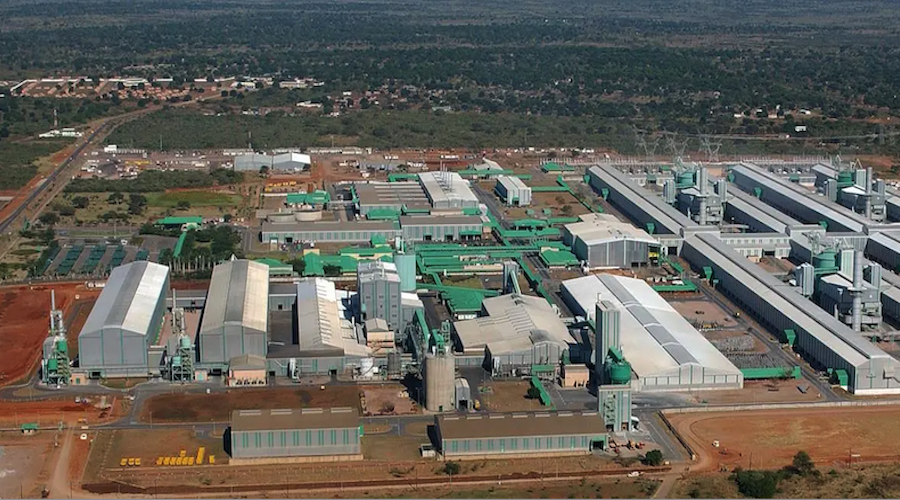
Africa’s second-biggest aluminum smelter may close in March after operator South32 Ltd. is yet to secure a new electricity supply agreement before the current one expires. The company’s shares plunged.
The Mozal plant, located outside Mozambique’s capital Maputo, will no longer be viable under a proposed new tariff set to replace the existing one early next year, the company said in a letter to affected parties seen by Bloomberg and verified by the company.
“As it stands, negotiations are deadlocked,” Rob Jackson, vice president of supply at South32, said in the letter. “Given the impasse, the most likely scenario is for Mozal to operate until the end of the current electricity supply agreement and be placed on care and maintenance in March 2026.”
For Mozambique, the closure threatens the jobs of 2,500 workers and contractors at the smelter, in a country battling with youth unemployment. Aluminum was Mozambique’s third-biggest export last year at $1.1 billion with all of it coming from Mozal. South32 on Thursday booked a $372 million write-down due to the likely shutdown. The share price traded 6.3% lower on the Johannesburg Stock Exchange at 5:14 p.m. local time.
When the smelter opened 25 years ago, shortly after the nation emerged from a brutal 16-year civil war, South Africa had the world’s cheapest electricity. That enabled South32’s predecessor to secure a highly favorable investment deal, under which the smelter paid no income tax and only a 1% royalty on sales.
The smelter is supplied by South Africa’s Eskom Holdings SOC Ltd., which also has a deal to buy power from Cahora Bassa SA, a state-owned hydorpower company in Mozambique.
The new government, led by Daniel Chapo, who came to power early this year, pledged to revise such deals when they came up for renegotiation.
Still, the smelter’s closure could free up 950 megawatts of power. Joaquim Ou-Chim, chief executive officer at state-owned Electricidade de Moçambique, last month said Mozambique could trade that power regionally.
There’s no shortage of demand. Copper producers in Zambia and the Democratic Republic of Congo are desperate for alternative power supplies as those two nations face severe shortages. Electricity was Mozambique’s fourth-biggest export last year at $689 million.
(By Matthew Hill)
{{ commodity.name }}
{{ post.title }}
{{ post.date }}

Comments