Anglo sees Chile copper mine returning to full output in 2027
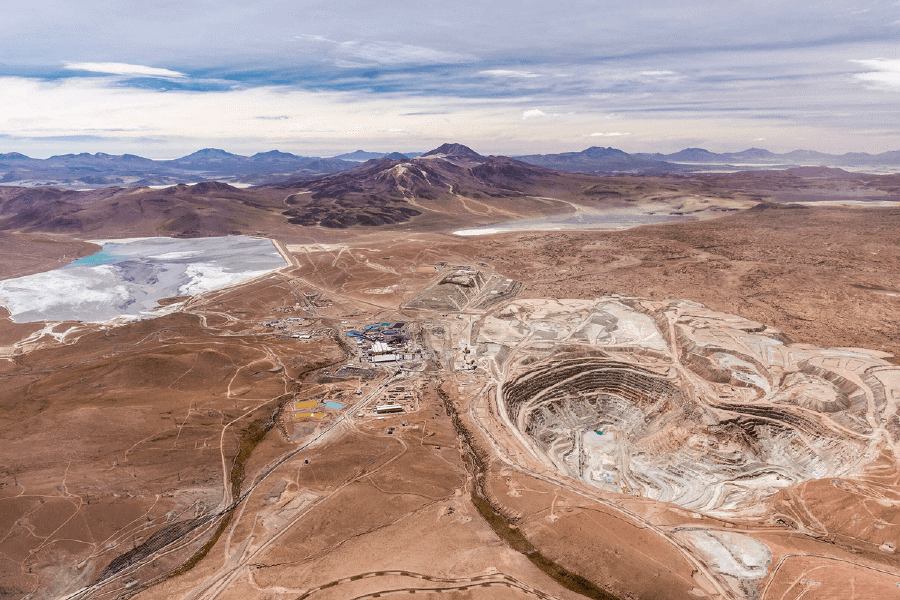
Anglo American Plc expects its flagship copper mine in Chile to return to normal output levels in 2027 after grappling with a period of lower quality ore that’s set to constrain production next year.
Annual output at Collahuasi, in which Anglo and Glencore Plc each hold 44%, probably will get back to to about 600,000 metric tons in 2027, Anglo’s chief operating officer Ruben Fernandes said in an interview. That’s as the operation enters richer areas of the open pit and a new desalination plant comes fully on-line next year.
“Water will no longer be a problem,” Fernandes said Tuesday on the sidelines of a conference in Salvador, Brazil. “By the end of the second half, we’ll reach areas with higher-grade material, allowing Collahuasi to return to regular production.”
At full capacity, Collahuasi is one of the world’s biggest copper mines and a key asset in Anglo’s portfolio. In its latest quarterly update, Anglo warned that Collahuasi’s output will likely be lower than expected next year, compounding tightness in the copper market. The metal reached a record high on Wednesday partly because of mounting concerns over supply setbacks.
The mine is also central to Anglo’s planned merger with Teck Resources Ltd. Collahuasi’s high-grade ore would be supplied to Teck’s neighboring Quebrada Blanca mine, potentially adding 175,000 tons of copper a year and boosting profitability by an estimated $1.4 billion annually.
Fernandes said talks with the Collahuasi partners — which include Mitsui & Co.-led consortium that owns the remaining 12% — would only begin once regulatory and antitrust approvals are secured for the Anglo-Teck corporate tie-up.
“That’s when we’ll have all the green-lights to proceed with the integration,” he said.
Fernandes remains upbeat about copper’s long-term outlook, citing surging demand from the energy transition and data centers tied to artificial intelligence, even as major producers face setbacks in Indonesia, Chile and the Democratic Republic of the Congo.
“Bringing a new copper project on-line takes 15 to 20 years,” he said. “If demand grows 2.5% to 3% annually over the next two decades, it’s about 30 to 40 new mines the size of Quellaveco in Peru — each producing about 300,000 tons a year. That’s a lot of copper.”
(By Mariana Durao)
{{ commodity.name }}
{{ post.title }}
{{ post.date }}
Comments