As rescue ends in tragedy, Codelco asks experts what went wrong
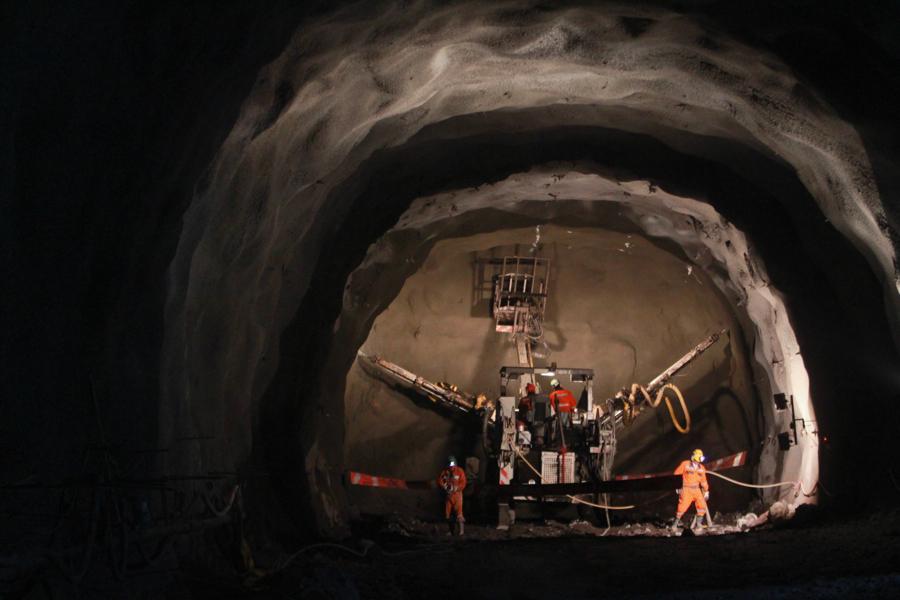
After six deaths at its biggest mine, Chile’s state-owned copper giant Codelco will now examine what caused Chile’s deadliest mining accident in decades — and how it can prevent another tragedy.
A frantic weekend rescue mission recovered the bodies of all five workers still missing since Thursday, when seismic activity caused a tunnel collapse at one of the world’s biggest underground copper mines.
The Chilean company is convening a panel of international experts to audit the El Teniente mine and establish what exactly happened, and the incident is likely to spark scrutiny over copper supply at a time of growing global demand for the wiring metal.
“We have opened an investigation to determine if there were failures,” chairman Maximo Pacheco told reporters Sunday. “If any responsibility lies with our supervisors or executives, we will apply maximum measures.”
But it was a weekend of mourning for Codelco and the country’s mining industry, which accounts for a quarter of the world’s mined copper.
A 100-person rescue team — including some who helped free 33 workers trapped in another Chilean mine 15 years ago — battled around the clock to reach the trapped workers. Unlike that successful San Jose rescue in 2010, all those missing at El Teniente were found dead.
Codelco has halted all mining at the site after the collapse, triggered by seismic activity at a new section of the complex called Andesita. It’s a major setback for the miner’s effort to recover from a yearslong output slump, and will add to delays in rolling out investments to overhaul aging operations.
El Teniente is crucial for Codelco’s aim to return to pre-pandemic production of about 1.7 million tons a year, from about 1.4 million tons now. The mine accounts for about a quarter of the company’s output.
International audit
The timing of any restart will depend on the outcome of the investigation, and what measures may be needed to reinforce the structure or adjust mining methods. Mines in Chile are generally designed to withstand much stronger seismic activity than the 4.2-magnitude event that caused the collapse.
Asked about reports that workers at El Teniente had flagged safety concerns prior to this tragedy, Pacheco said no official complaints had been received either anonymously or otherwise. Still, he vowed to get to the bottom of the accident and take the appropriate measures.
“We’re going to commission an international audit to determine what we did wrong,” Pacheco said on Sunday. Codelco delayed reporting quarterly results Friday as it dealt with the accident.
To be sure, Andesita is a relatively small part of Codelco’s multi-billion-dollar project pipeline in Chile as it plays catchup after decades of underinvestment. But it’s a key component — along with the Diamante and Andes Norte projects — in keeping El Teniente churning out copper in the years ahead as other sections of the 120-year mine deplete.
Safety issues
While Codelco has made its mines much safer in recent years as part of an industry-wide safety push, sporadic accidents continue to affect both new projects and existing operations.
Last year, its Radomiro Tomic open pit was the scene of a fatal accident that led to extended production disruptions, while a worker at its Ventanas division died in an accident while repairing a warehouse roof. In 2023, an electrical technician at El Teniente died.
In 1994, a firedamp gas explosion at the now closed Schwager coal mine claimed the lives of 21 miners. The deadliest accident in Chilean mining was a 1945 fire at El Teniente that generated a lethal cloud of smoke and carbon monoxide in the tunnels, killing 355 workers.
(By James Attwood)
{{ commodity.name }}
{{ post.title }}
{{ post.date }}

Comments