Australia’s mining competitiveness at risk from excessive regulation, says Rinehart
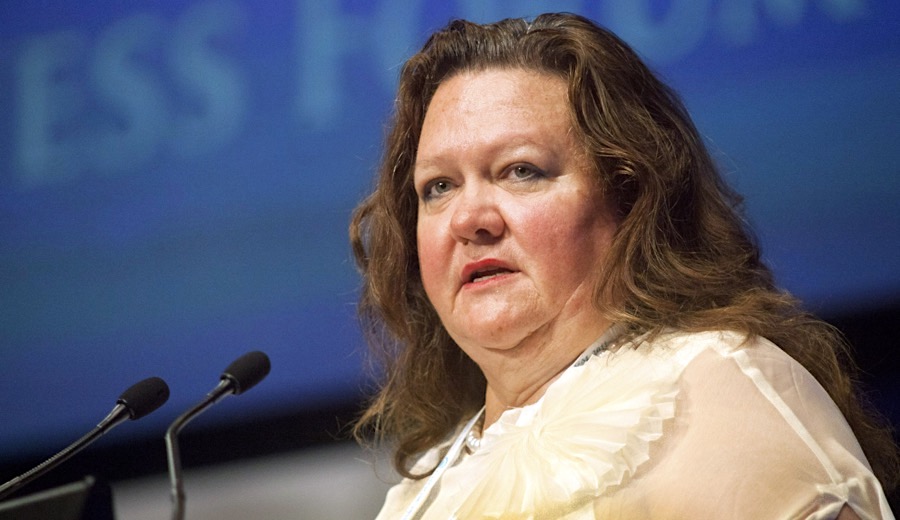
Mining tycoon Gina Rinehart said on Wednesday the burden of excessive regulation on the Australian mining industry had put its global competitiveness at risk.
Rinehart is executive chairman of Hancock Prospecting, Australia’s fourth-largest iron ore miner, whose revenues have fueled her rise to the top of the nation’s rich list for much of the past 15 years.
The comments, in a speech to mark the 10th anniversary of Hancock’s first shipments of iron ore, echo those made by BHP executives and are in line with her previous views, but are her first since Australia passed environmental law reform last month partly to streamline bureaucracy.
Rinehart pointed to a 2024 report by the Minerals Council of Australia (MCA) that estimated 80% of potential mining projects are abandoned, for which the lobby group blamed “poor policy settings” that had raised costs for miners.
“This is what bad government policies have caused. The reality of a major risk to the mining industry’s future in Australia and with high government burdens, is risking our international competitiveness,” Rinehart said.
Hancock had said in its annual report it was waiting for final approvals to develop two iron ore projects, an issue Rinehart emphasized as part of her experience getting the flagship Roy Hill mine started.
“Royis a mega project which at times we thought might not happen. But we persevered through the onerous burden of thousands of government approvals and permits, endless regulatory hoops, layers of government tape, plus roadblocks for our port berth and then rail route which would have stranded and stopped our project,” she said.
“These roadblocks after HPPL (Hancock) had already spent around $100 million.”
In October, BHP’s head of Australia Geraldine Slattery said the country must speed up environmental approvals and boost access to cheap power if it hopes to compete for mining investment capital with other nations.
Rinehart flagged the contribution of mining to the nation’s wealth, pointing out her Roy Hill mine delivered A$12 billion ($8 billion) in taxes and royalties and awarded A$15.4 billion of contracts to Western Australian firms in the past 10 years.
She has previously called for Australia to follow the US by embarking on Donald Trump-style leadership to cut government largesse while boosting defence spending and energy security.
Australia agreed to overhaul its environment laws in long-awaited reforms last month after reaching agreement with the Greens party.
The MCA called the bill an “inferior and disappointing outcome” for Australian companies which currently face “a laborious, lengthy and complex double-track assessment and approval process on issues which are mostly identical.”
($1 = 1.5078 Australian dollars)
(By Melanie Burton; Editing by Muralikumar Anantharaman and Kate Mayberry)
{{ commodity.name }}
{{ post.title }}
{{ post.date }}
Comments