Barrick officially resumes operational control of Mali mine
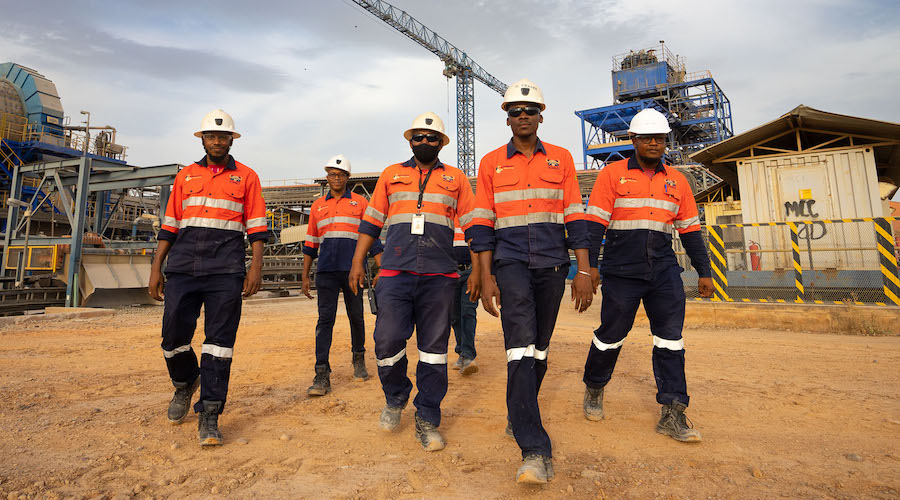

Canada’s Barrick Mining has officially resumed operational control of its Mali gold mine, according to a company memo seen by Reuters.
Barrick will resume production gradually and will focus on mandatory training for employees and contractors, according to the memo sent by Sebastiaan Bock, director of operations for Africa and the Middle East.
The two sides reached an agreement last month to resolve their dispute over Barrick’s operations in the West African country after two years of negotiations. The disagreement over the implementation of a new mining code introduced by the military-led government led to Barrick suspending operations at its gold mining complex in January, and a Malian court-appointed provisional administrator taking control in June.
Barrick agreed to a settlement worth $430 million, a source said.
Last week a Malian judge ordered the return of possession of Barrick’s 3 metric tons of gold seized by the country’s military government nearly a year ago to the company, according to two people familiar with the matter. The gold, worth about $400 million, was seized by a military helicopter in January following a confiscation order from a Malian judge. It has remained at the BMS bank in Mali’s capital, Bamako, since then, according to both sources.
Barrick, which has activist investor Elliott Capital as one of the shareholders, announced plans to focus on its North American operations, including an IPO for this business under its interim CEO, Mark Hill.
Shares of Barrick were trading 1% higher at the Toronto Stock Exchange on Thursday afternoon.
(By Divya Rajagopa and Portia Crowe; Editing by Kirsten Donovan)

{{ commodity.name }}
{{ post.title }}
{{ post.date }}



Comments