Belgian museum, US mining company at odds over colonial-era Congo
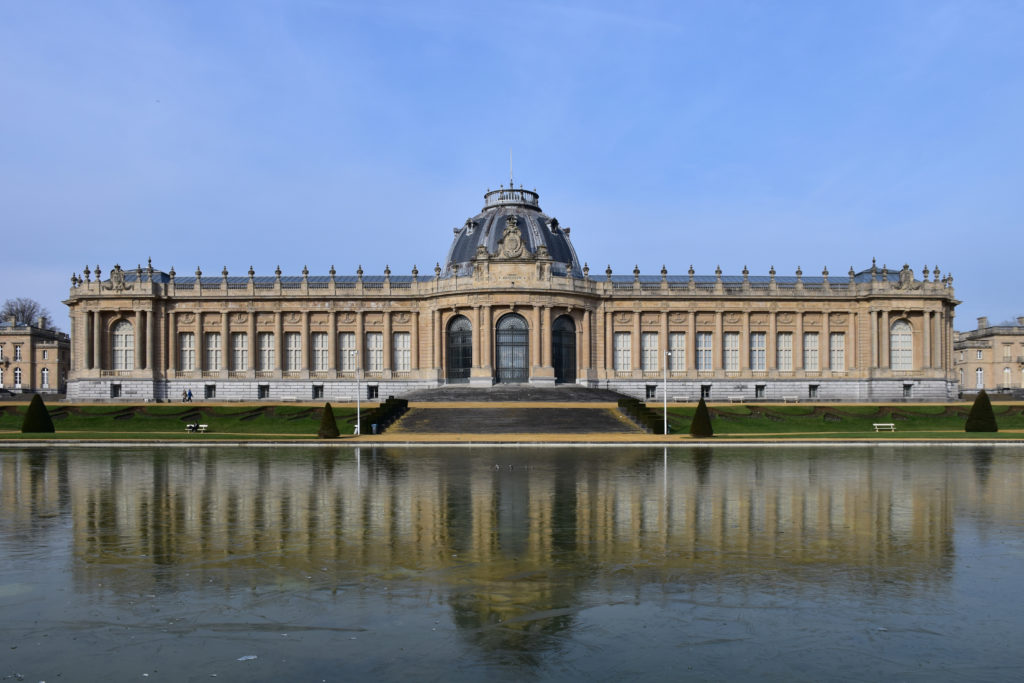
A US mining company backed by billionaires Jeff Bezos and Bill Gates is in a tangle with Belgium’s AfricaMuseum over who should digitize antique maps of what is now the Democratic Republic of Congo in the museum’s archive.
Mining startup KoBold Metals said it had offered to support the DRC in digitizing the colonial-era archive, stored on museum shelves stretching some 500 metres and containing millions of documents that record how Congo’s mineral wealth was mapped and exploited.
“We scan, we digitize the documents, and make them accessible to the public immediately,” Benjamin Katabuka, director general for KoBold Metals in DRC, told Reuters.
“This country needs more investment in exploration, and we need the data to be available to the public to make that happen.”
The Belgian museum, backed by Belgian authorities, has refused, saying it already has a separate project with the DRC to digitize the data, backed by the European Union.
“We cannot delegate the management of collections to private companies; it would go against all scientific and institutional ethics,” museum director Bart Ouvry told Reuters.
KoBold received permits last year to search for lithium and other minerals in DRC and struck agreements with Kinshasa to digitize data, including records held in Belgium, it said.
Katabuka said the request for access to the archive was made by the DRC government. “KoBold is coming to support the project, technically and financially,” he said.
KoBold pointed to a 2022 Belgian law that created a framework for returning colonial-era collections to African states. However, archives are excluded.
Ouvry said the museum is working with Congo’s National Geological Service to digitize and share the geological archives in a project expected to take up to five years. Data would be available in both countries “in accordance with Belgian and European law,” he said.
Congo’s ministry of mines did not respond to requests for comment.
Handwritten, fragile documents
Located just outside Brussels in Tervuren, the museum’s extensive archive includes material that is handwritten, fragile and still not fully inventoried, the head of the museum’s earth sciences department told Reuters.
Belgium’s King Leopold II seized Congo in 1885 for his personal enrichment – the territory was plundered and the population subjected to extreme brutality. The King ran it as his fiefdom until 1908, when it became a Belgian colony.
Ouvry said the archives are accessible, copies can be provided on request, and private companies must supply a letter of support from the DRC government to view geological maps.
A Belgian government spokesperson for foreign affairs said the geological archives are a public asset. “Belgium cannot, under any circumstances, grant exclusive access to a foreign company or private entity with which it does not have a contractual relationship,” spokesperson Florinda Baleci said.
Global competition for critical minerals is increasing and DRC is rich in deposits of lithium, copper, cobalt and coltan. The country’s ministry of mines estimates that 90% of potential remains untapped.
KoBold is one of several US companies expanding in Congo as Washington deepens a strategic partnership with Kinshasa to secure supplies and reduce reliance on China for materials needed for batteries, electronics and defence.
(By Clement Bonnerot, Charlotte Van Campenhout and Clement Bonnerot; Editing by Alexandra Hudson)
More News
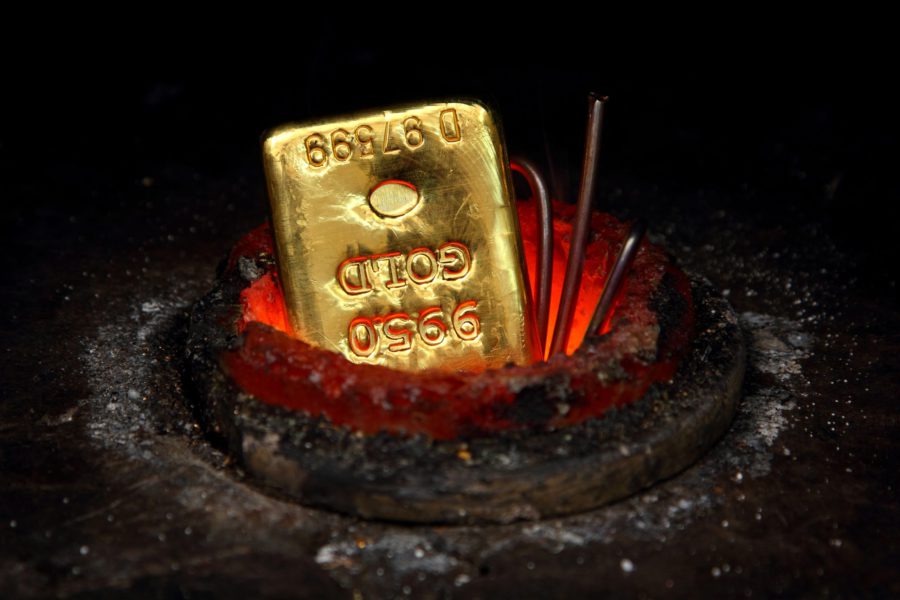
Gold price rebounds as investors buy the dip on safe-haven metal
Spot gold rose as much as 2.3% to above $5,200 an ounce.
March 04, 2026 | 09:29 am

{{ commodity.name }}
{{ post.title }}
{{ post.date }}

Comments