BHP chair says Australia should look at gas, corporate tax cuts to lift productivity
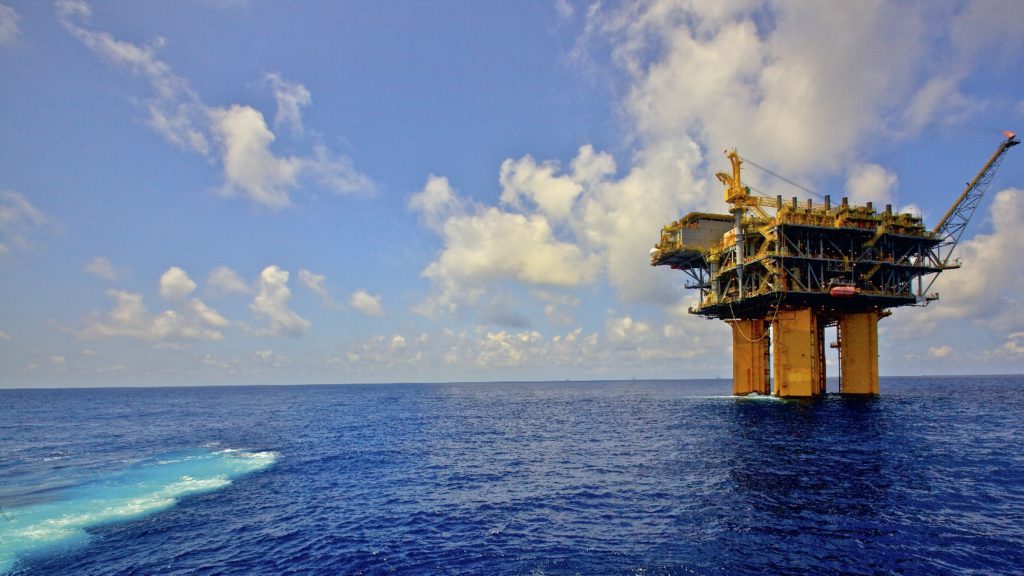
Australia should invest in natural gas to lower energy prices, and review corporate tax levels to boost the nation’s productivity over the coming years, Ross McEwan, chair of Australia’s biggest company, BHP, said on Tuesday.
Australia is the world’s third-largest exporter of liquefied natural gas and yet power costs for its population are significantly higher than those of other commodity producers such as China, Canada and the US, said McEwan, speaking at the AFR Business Summit in Sydney.
“I always thought that the transition to the newer energy sources of solar, wind, and the likes was always gas. And for some reason, we lost it somewhere. It just disappeared off the agenda,” he said.
Gas-fired generation can be easily turned off and on, unlike coal-fired power plants, so it is easier to use to manage peak demand. “So I think we need to have a really serious look at what are we spending our money on to actually get those gas prices down.”
BHP sold its petroleum division to Woodside to create a top 10 independent oil and gas producer worth $28 billion in 2022, before McEwan joined the board as a non-executive director.
Australia should also consider cutting its corporate tax rate below 30% to encourage higher employment and tax receipts for the longer term, he added, citing its middling productivity among developed nations.
Australia has among the highest corporate tax rates in the 38-member OECD, according to data compiled by CBInsights, behind Colombia, Portugal and Germany.
BHP is not directly impacted by the war in the Middle East, as the company sells 90-95% of its products to Asia, McEwan said.
(By Melanie Burton and Stella Qui; Editing by Sonali Paul)
More News
{{ commodity.name }}
{{ post.title }}
{{ post.date }}

Comments