BHP-China iron ore standoff may drag into 2026 as talks stall
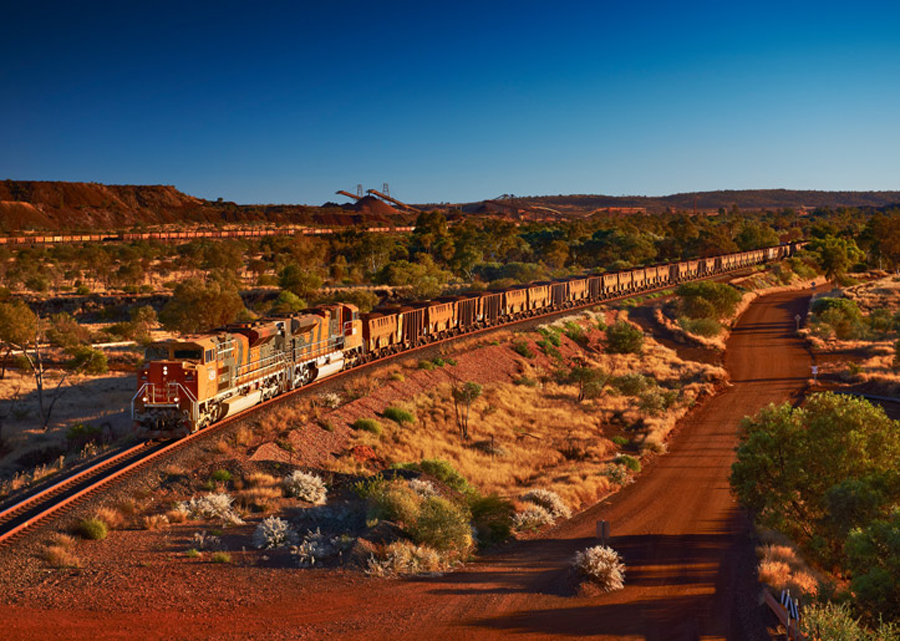
A price dispute between mining giant BHP Group and China’s state-run iron ore buyer risks dragging on for months, and even into early 2026, as both sides remain locked in stalemate.
So far, the world’s largest miner has seen minimal disruption in its shipments to China, largely because the company has already sold most of its allocation of iron ore for November and December, according to people familiar with the matter.
The company put forward as many as 50 cargoes in the days after China Mineral Resources Group Co. ordered a suspension of purchases at the end of last month, they said. The shipments have been offered to international traders and at least one Chinese outfit, among others.
Any impact from CMRG’s effort to restrict BHP’s cargoes as part of their negotiation is likely to become apparent only after the company begins selling ore for January delivery, a process that will begin from next month. That interval could give BHP room for maneuver in the talks, the people said, asking not to be identified while discussing private commercial matters.
China is by far the world’s largest consumer of iron ore, while BHP is one of three major suppliers that provide the bulk of the material to the country’s steelmakers. Bloomberg News reported last week that CMRG had asked major domestic buyers, including steel mills and state-owned trading houses, to suspend purchases of any new dollar-denominated seaborne cargoes from BHP.
The move escalated an earlier suspension of Jimblebar blend fines and marked a tougher stance from CMRG in its push for more leverage in talks. The state-run company, established three years ago to bolster China’s position in talks with BHP, Rio Tinto Group and Vale SA, has been pushing to sign long-term contracts on behalf of the country’s main steel mills, according to the people. This would help Beijing to negotiate discounts and other preferential measures.
“China wants to assert control over pricing after years of frustration at being the world’s biggest buyer, but still having little say over the price,” said Marina Zhang, researcher at the University of Technology Sydney’s Australia-China Relations Institute. “It’s also a signal to the rest of the world that China intends to play by new rules.”
While CMRG has no formal authority over the commercial operations of individual mills or traders, its recommendations have effectively become binding because of the group’s political clout and strategic significance within the government hierarchy.
Australian Prime Minister Anthony Albanese said last week that he wants the issue to be resolved quickly, noting that iron ore “makes a major contribution to China’s economy but also to Australia’s.”
CMRG didn’t respond to a request for comment. A BHP spokesperson said the company didn’t comment on commercial negotiations.
(By Katharine Gemmell and Alfred Cang)
{{ commodity.name }}
{{ post.title }}
{{ post.date }}
Comments