Chilean miners to use more seawater to meet rising demand by 2034
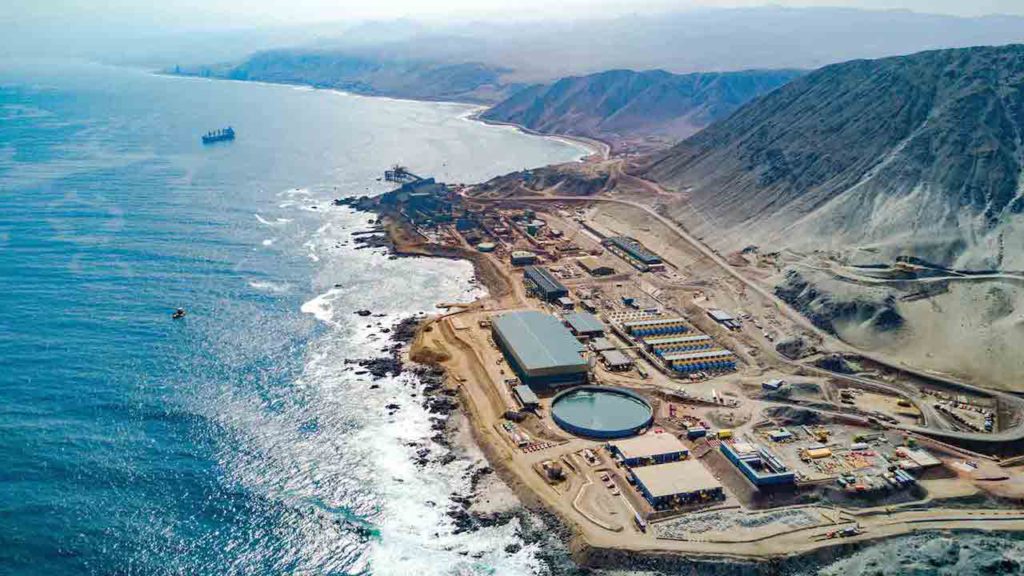
Chile’s copper mining industry expects to use significantly more water in its operations by 2034, but seawater should gradually come to replace freshwater as their primary source, a study by state-run copper commission Cochilco said on Wednesday.
Many miners operate in northern Chile’s Atacama desert, one of the driest places on earth, and critics say the water intensive processes worsen shortages for farmers and local communities and harm fragile ecosystems.
Chilean miners’ total water consumption is expected to rise to 20.6 cubic meters per second by 2034, rising around 1.2% annually from the 18.5 cubic meters per second logged in 2024.
“The gradual replacement of inland sources with seawater constitutes the sector’s primary adaptive response,” Cochilco said, saying this would remain a “central pillar” of its water strategy over the next decade.
By 2034, seawater is expected to make up 67.6% of total water consumption versus 40.7% in 2024. This would represent an 85% increase to 13.9 cubic meters per second, from 7.5 cubic meters per second a decade earlier.
Nearly three-quarters of this seawater would be desalinated – a process which protects freshwater supplies but environmentalists warn requires a lot of energy and can harm marine ecosystems. Some miners use undesalinated water directly.
Miners are expected to use more water as they increase production of fine copper, expand existing operations and gradually bring new projects online.
Cochilco expects a temporary decline in the use of seawater between 2028 and 2030.
(By Fabian Cambero and Sarah Morland)
{{ commodity.name }}
{{ post.title }}
{{ post.date }}


Comments