China moves to ban sulfuric acid exports as Iran war hits supply
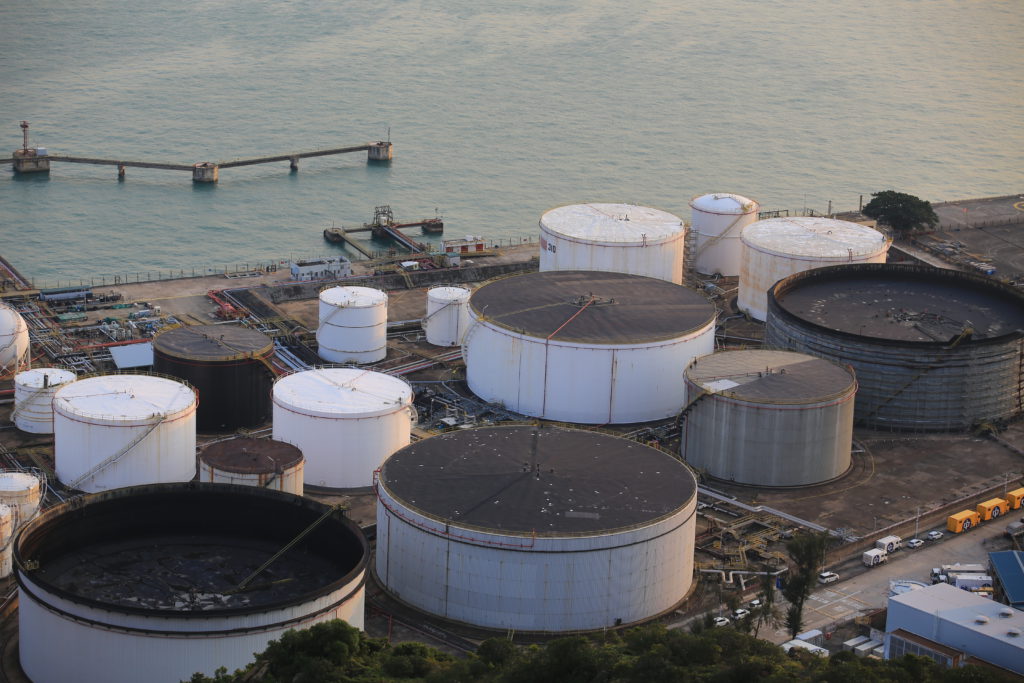
China has indicated it will halt exports of sulfuric acid from May, hitting metals and fertilizer industries already strained by raw material bottlenecks resulting from the Iran war.
Some sulfuric acid producers in the country recently received notifications about the change, and one large buyer has been told about it by their Chinese supplier, according to people familiar with the matter, who asked not to be identified discussing confidential information. The ban will cover sulfuric acid that’s a by-product of copper and zinc smelting in China.
Sulfuric acid prices have been rising since the start of the Iran conflict, as the effective closure of the Strait of Hormuz blocks sulfur shipments from the Middle East, where it’s a product of oil and gas refining. The region produces one third of the world’s sulfur, a raw material used to make sulfuric acid that’s essential for some copper extraction and phosphate fertilizers.
China’s move to conserve sulfuric acid supplies during the peak crop-planting season will put further pressure on the market. That squeeze will hit the copper-mining industries in key producers such as Chile, the Democratic Republic of Congo and Zambia.
Pricing agency Argus Media first reported the Chinese ban on Thursday, saying the restriction could last throughout 2026.
China’s Ministry of Commerce didn’t immediately respond to a request for comment.
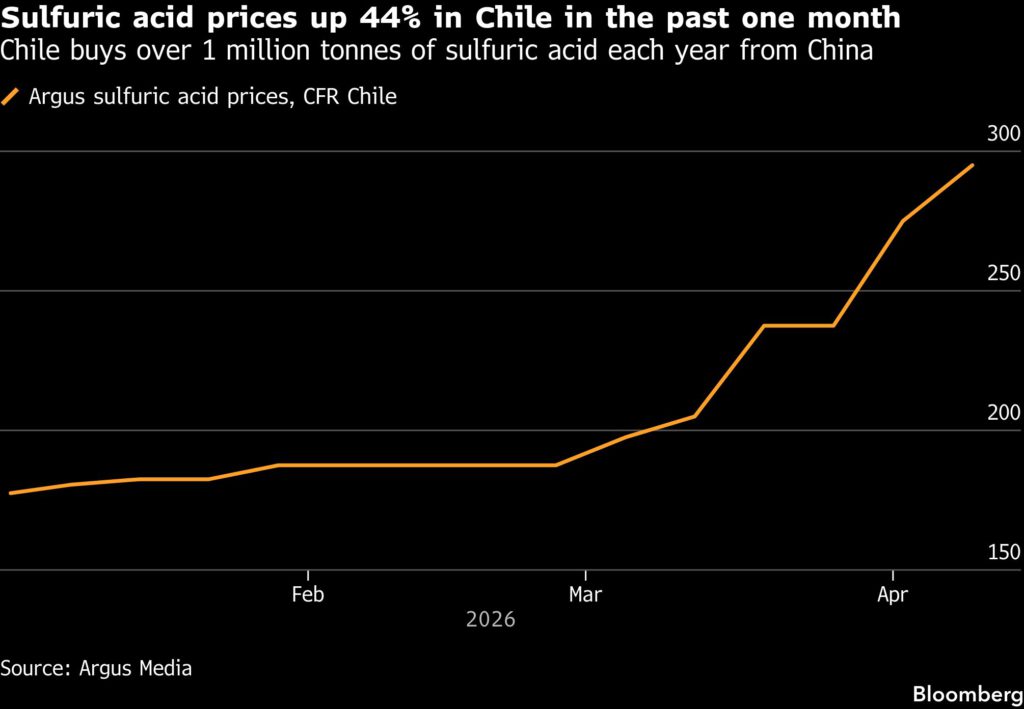
Prices have already surged in Chile, which buys over 1 million tons of Chinese sulfuric acid every year. Around a fifth of the copper output in Chile — the world’s No. 1 producer — involves a type of processing that depends on sulfuric acid.
“If the suspension is enforced for the full year, the Chileans will be faced with even higher prices than we are seeing today,” Argus acid editor Sarah Marlow said.
The loss of Chinese volumes will be difficult to offset, given the parallel shortage of sulfur feedstocks, according to Peter Harrisson, an acid analyst at consultancy CRU.
(By Julian Luk and James Attwood)
More News

{{ commodity.name }}
{{ post.title }}
{{ post.date }}
Comments