China’s coal and steel output drop after production controls
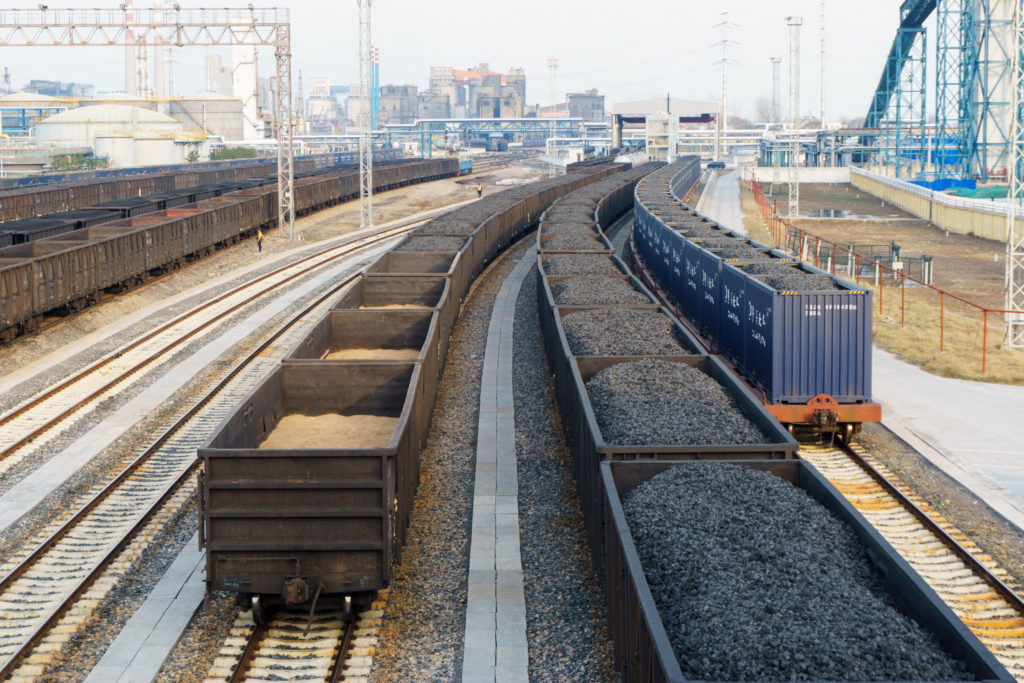
China churned out less coal and steel in August as the government tightened controls on production.
Coal output dropped year-on-year for a second consecutive month and steel for a fourth. Other construction materials such as cement and glass also declined as the impact of China’s years-long property crisis continues to reverberate.
Factory deflation in August eased for the first time in six months, offering an early indication that Beijing could be making headway with its anti-involution drive. Curtailments of heavy industry around Beijing to clear the skies for a military parade in early September also affected commodities like steel.
The 3.2% decline in coal output to 391 million tons came after heavy rains and government curbs on overmining. Firms were under less pressure to produce as power needs rose only modestly due to a slowing economy and milder August weather, while renewables continue to make an increasing contribution to electricity generation.
Steel, another industry in the crosshairs of the campaign to rein in excessive competition, saw production drop 0.7% to 77.4 million tons. Mills have been reducing output to lift margins since May. The nationwide total was also suppressed by anti-pollution curbs in the steelmaking hub of Hebei that neighbors the capital, where the parade marking the end of World War II took place.
Among other commodities, aluminum output was steady at 3.8 million tons, while oil refining surged 7.6% to 63.5 million tons as more plants restarted following seasonal maintenance.
Upstream crude and gas output also increased, as drillers remain committed to delivering energy security and cutting the nation’s import bills.
Read More: China’s steel mills squeezed as demand shows signs of softening
{{ commodity.name }}
{{ post.title }}
{{ post.date }}
Comments