China’s coal imports post biggest annual drop
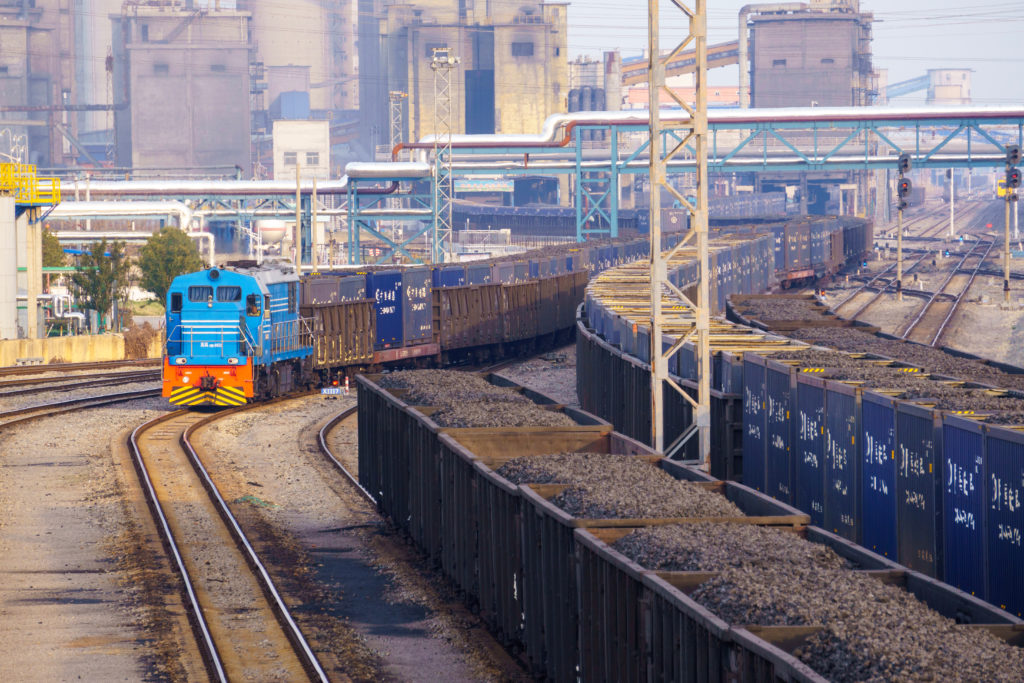
China’s coal purchases fell the most in a decade last year, posting the steepest drop among imports of major commodities due to an abundance of cheaper alternatives and a rare contraction in thermal power generation.
Natural gas and copper metal also saw annual declines, according to Chinese customs data on Wednesday, bucking the bias for imports to rise to support economic growth. Copper ore showed the biggest gain, followed by soybeans, a key counter in China’s trade dispute with the US.
China bought 490 million tons of coal in 2025, falling 9.6% from the previous year’s record and the first decline since 2022, when the pandemic was at its height. Pricier imports have fallen from favor after continued growth in local output knocked prices to four-year lows, and the country’s breakneck adoption of clean energy eats into demand. A plan to cut coal output in Indonesia, China’s top foreign supplier, is likely to heap more pressure on shipments in 2026.

Gas imports also slipped for the first time in three years, down 2.8% to 128 million tons, in response to record domestic production and weaker industrial demand. Prospects for 2026 are brighter for the cleaner-burning fuel. China National Petroleum Corp. expects consumption growth to double to 5% this year, while a wave of new export projects around the world is likely to damp prices and juice demand for seaborne gas in particular.
Purchases of crude oil rose 4.4% to 578 million tons, reversing a decline in 2024. Strategic stockpiling offset sharp drops in fuel demand caused by the energy transition. A global glut of oil could further incentivize Beijing to keep imports elevated to guard against the threat of sanctions and tariffs affecting supply.
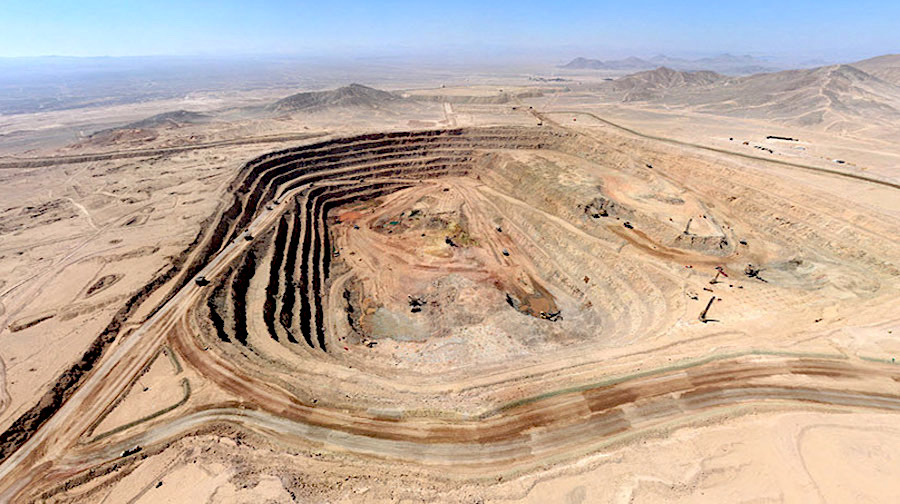
Cargoes of unwrought copper and products fell 6.4% to 5.3 million tons, the weakest this decade. Lofty prices and a slowing economy were a drag, although a lot of demand was channeled into China’s purchases of copper ore and concentrate, which increased 7.9% to a record 30 million tons to feed the country’s unrelenting expansion in smelting capacity.
Despite weakness in domestic steel markets, iron ore shipments rose 1.8% to an all-time high of 1.26 billion tons, a third year of increases. Still, a build up of ore stockpiles has become more pronounced in recent months. Beijing’s latest measures to rein in record steel exports amid rising protectionism could be another headwind for the market this year.
Soybean imports also climbed to a record for a third year, up 6.5% to 112 million tons. Crushers leaned heavily on Brazilian cargoes earlier in 2025, before reviving US purchases after the trade agreement struck with the Trump administration in October.
That leaves Chinese buyers on the hook for 25 million tons of US beans a year through 2028. With Beijing unlikely to abandon its diversification strategy, the size and composition of its imports will largely depend on whether the truce with Washington endures.
Read More: China’s steel exports, iron ore imports hit record highs
{{ commodity.name }}
{{ post.title }}
{{ post.date }}
Comments