China’s November net gold imports via Hong Kong more than doubled from October
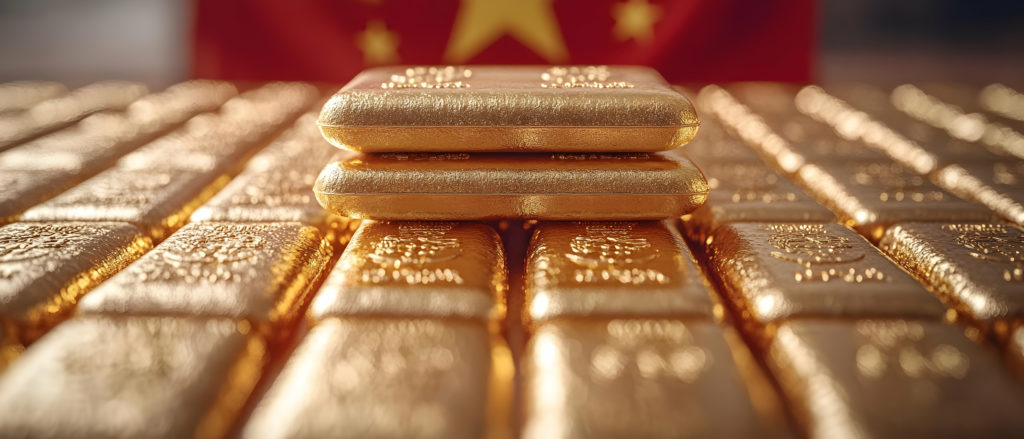

China’s net gold imports via Hong Kong in November rose by 101.5% from October, Hong Kong Census and Statistics Department data showed on Monday.
As the world’s leading gold consumer, China’s purchasing activities can significantly influence global gold markets.
The Hong Kong data may not provide a complete picture of Chinese purchases, as gold is also imported via Shanghai and Beijing.
Net imports via Hong Kong to China for November stood at 16.16 metric tons, compared with 8.02 tons in October.
China’s total gold imports via Hong Kong reached 30.22 tons in November, up 0.5% from 30.08 tons in October.
“During November, we saw a lot of volatility in domestic Chinese premiums, moving from a modest premium to a significant discount, which suggests very mixed sentiment,” said independent analyst Ross Norman.
“However, seasonally it remains an attractive time of year for gold imports, with buying typically picking up ahead of the Lunar New Year.”
In top consumer China, bullion traded at discounts of $15 to $30 an ounce to the global benchmark spot price last week, narrowing from discounts of up to $64 seen the previous week – the deepest in more than five years, as gold prices were at record-high levels.
Discounts have been offered to attract buyers amid lacklustre retail demand, but narrowed last week as speculative buying picked up on expectations of US rate cuts, while tighter supply due to limited import quotas and a firmer yuan provided support.
However, China kept adding gold to its reserves of the precious metal, with its holdings totalling 74.12 million fine troy ounces at the end of November from 74.09 million at the end of October, extending its buying spree for a13th month in a row.
Spot gold prices have risen about 72% this year, hitting a record $4,549.71 an ounce on Friday, the biggest annual gain since 1979.
The rally has been fueled by a cocktail of factors, including Federal Reserve policy easing, geopolitical uncertainty, strong central bank demand, rising ETF holdings, and ongoing de-dollarization.
(By Noel John and Sherin Elizabeth Varghese; Editing by David Goodman and Kirsten Donovan)

{{ commodity.name }}
{{ post.title }}
{{ post.date }}
Comments